Northern Pufferfish (Sphoeroides maculatus): The Inflatable Master of Coastal Waters
The Northern Pufferfish, Sphoeroides maculatus, isn’t your average fish. It’s a compact powerhouse of defense, curiosity, and adaptability. Known for its ability to inflate into a spiny ball when threatened, this species commands attention in the shallow coastal waters of the western Atlantic. If you’re diving into Northern Pufferfish facts, you’re about to discover a fish that’s as fascinating as it is bold.
What Makes the Northern Pufferfish Unique?
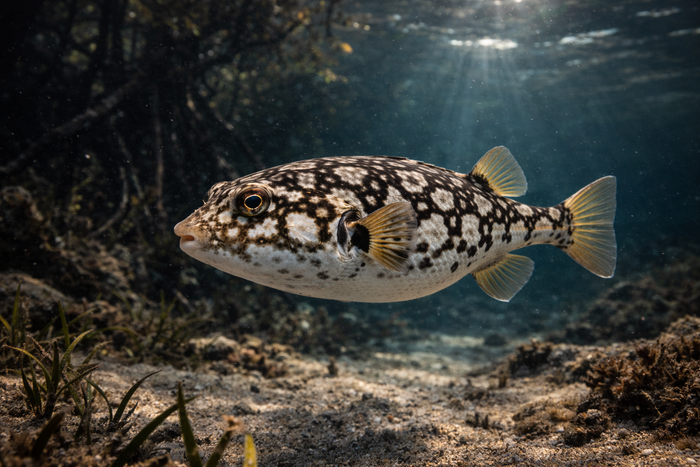
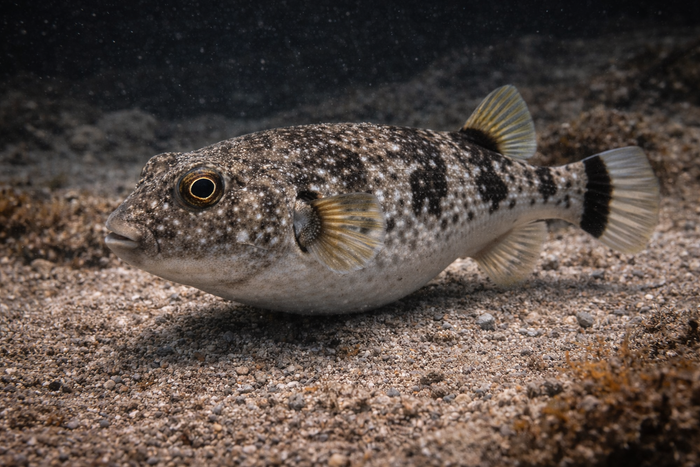
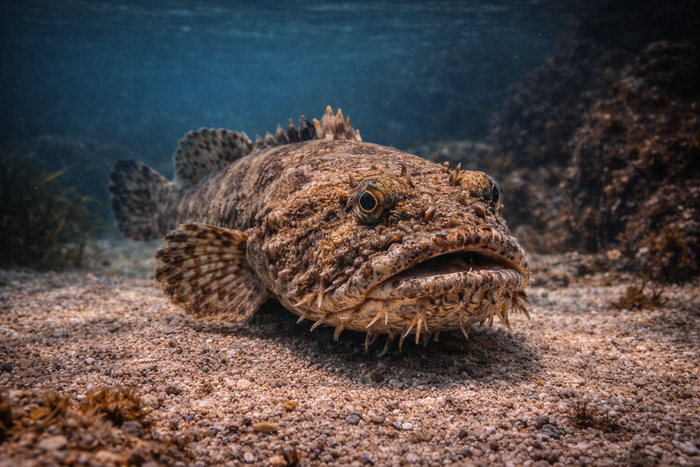
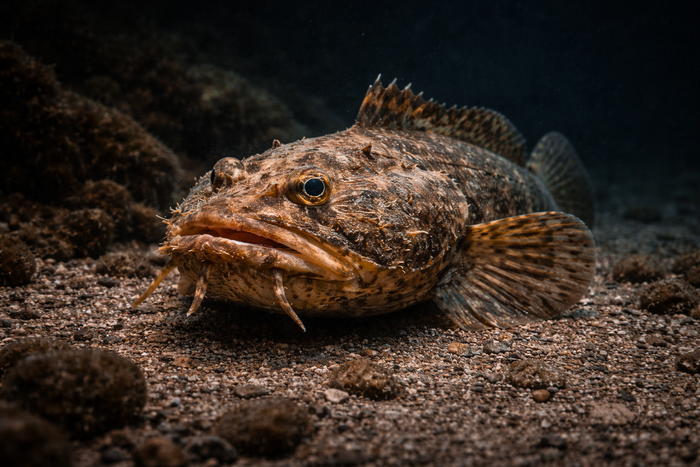
Inflation is the headline act here. When danger looms, the Northern Pufferfish gulps water (or air if it’s out of water) to balloon its body into a nearly spherical shape, making it harder for predators to swallow. This transformation is not just for show; it’s a survival mechanism that few fish can match. Beyond its inflatable defense, the Northern Pufferfish sports a pattern of dark spots and blotches on a pale background, giving it a distinctive, almost camouflaged look against sandy or rocky bottoms.
Unlike many fish, it lacks traditional scales. Instead, its skin is tough and covered with small spines that become more pronounced when inflated. This spiny armor adds an extra layer of deterrence. Its beak-like teeth are another standout feature, perfectly designed for crushing hard-shelled prey like mollusks and crustaceans. This dental setup is a signature trait among puffers and a key to their dietary niche.
Habitat & Global Range
The Northern Pufferfish calls the western Atlantic home, ranging from the cooler waters of Nova Scotia down through the eastern coast of the United States and into the Gulf of Mexico. Its preferred Northern Pufferfish habitat is shallow coastal areas, including bays, estuaries, and seagrass beds. These environments provide ample hiding spots and a buffet of benthic invertebrates.
This species thrives in brackish and marine waters, showing a remarkable tolerance for varying salinity levels. Juveniles often inhabit estuarine nurseries, where the mix of fresh and saltwater offers protection and abundant food. Adults tend to roam slightly deeper waters but rarely stray far from the coast. Their presence in these transitional zones makes them an important link between marine and freshwater ecosystems.
Behavior & Temperament
Northern Pufferfish are not the social butterflies of the sea. They tend to be solitary or found in small groups, especially during breeding seasons. Their temperament is cautious but curious. They’ll investigate divers or snorkelers with slow, deliberate movements but won’t hesitate to puff up if they feel threatened.
Their inflation ability is not just a defensive trick; it’s a psychological weapon. Predators often think twice before tackling a fish that suddenly doubles or triples in size and bristles with spines. When not inflating, they rely on camouflage and slow, deliberate swimming to avoid detection.
Feeding behavior is methodical. Using their strong beak-like teeth, Northern Puffers crush shells to get at the soft insides of clams, snails, and crabs. This diet positions them as effective controllers of invertebrate populations in their habitat.
Ecological Importance
Northern Pufferfish play a crucial role in maintaining the balance of coastal ecosystems. By preying on mollusks and crustaceans, they help regulate these populations, preventing overgrazing on seagrass beds and benthic algae. This grazing control supports the health of underwater vegetation, which in turn sustains a wide range of marine life.
Their presence in estuaries and bays also makes them indicators of environmental health. Because they are sensitive to pollution and habitat degradation, shifts in Northern Pufferfish populations can signal changes in water quality and ecosystem stability.
Conservation & Environmental Pressures
While not currently listed as endangered, Northern Pufferfish face several environmental pressures. Coastal development, pollution, and habitat loss threaten the shallow waters they depend on. Estuarine degradation, in particular, reduces nursery habitats critical for juvenile survival.
Climate change adds another layer of complexity. Rising sea temperatures and altered salinity patterns can disrupt their breeding cycles and food availability. Additionally, bycatch in commercial fisheries occasionally impacts their numbers, though not at alarming rates.
Conservation efforts focused on protecting coastal habitats and improving water quality indirectly benefit Northern Pufferfish populations. Maintaining healthy seagrass beds and estuarine environments is essential for their continued survival.
The FishyAF Take
The Northern Pufferfish is a masterclass in evolutionary innovation. Its inflation defense, spiny armor, and crushing teeth make it a standout in the crowded coastal waters of the western Atlantic. This fish doesn’t just survive; it thrives by carving out a niche that few others can touch.
For anglers, divers, and marine enthusiasts, the Northern Pufferfish offers a glimpse into the clever adaptations that keep marine ecosystems ticking. It’s a reminder that sometimes, the best defense is to become a prickly, inflatable ball of “don’t mess with me.”
Understanding Northern Pufferfish facts and their habitat is more than trivia. It’s a window into the delicate balance of coastal ecosystems and the species that keep them healthy. Keep an eye out for this bold little fish next time you’re near the shore—it’s a true icon of resilience and marine ingenuity.