Atlantic Toadfish (Opsanus tau): The Grumpy Bottom-Dweller That’s Anything But Ordinary
Meet the Atlantic Toadfish, a creature that looks like it was designed by someone who loves ugly but functional. This bottom-dwelling fish is a master of disguise and sound, carving out a niche along the Atlantic coast with a personality as bold as its appearance. If you think all fish are just swimming around mindlessly, the Atlantic Toadfish will make you think again. It’s a species loaded with surprises, from its unique vocalizations to its stubborn survival tactics.
What Makes the Atlantic Toadfish Unique?
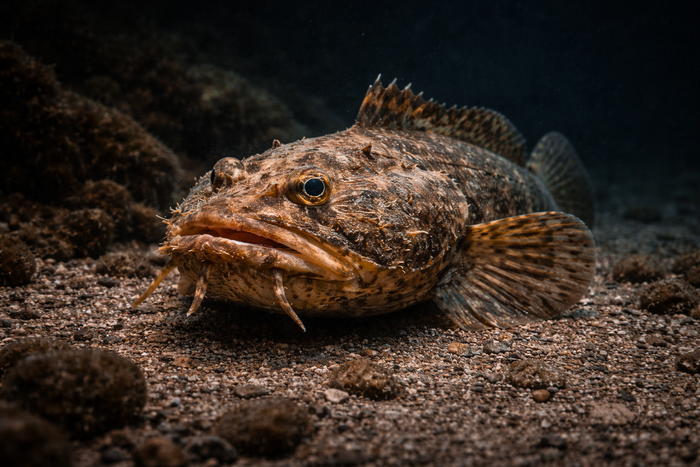
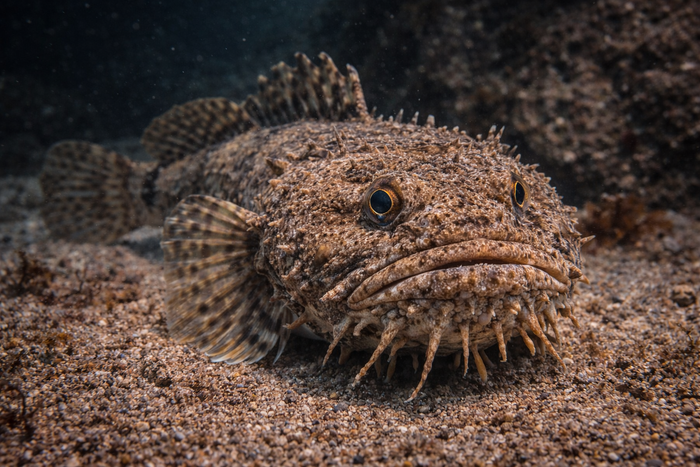
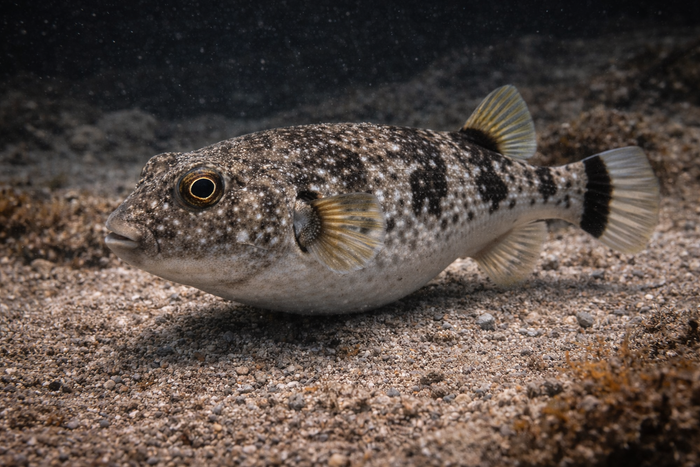
Forget sleek and shiny. The Atlantic Toadfish sports a broad, flattened head covered in wart-like bumps, giving it a toad-like visage that’s hard to forget. But it’s not just a pretty face. This fish is a sound machine. It produces a low-frequency hum and grunts using specialized muscles attached to its swim bladder. This sonic ability isn’t just noise; it’s communication, especially during mating season when males serenade females from their underwater lairs.
Another standout feature is its ability to cling to the seafloor. With a body built for bottom life, it uses its pectoral fins to prop itself up and stay put in strong currents or choppy waters. Its camouflage skills are next level, blending seamlessly with rocks, shells, and debris. This stealthy approach helps it ambush prey and avoid predators.
Habitat & Global Range
The Atlantic Toadfish calls the western Atlantic Ocean home, ranging from New York down to the Gulf of Mexico. It’s a coastal specialist, preferring shallow waters where it can hide in oyster beds, rocky crevices, and muddy bottoms. This fish thrives in estuaries and bays, environments rich in nutrients but often challenging due to fluctuating salinity and temperature.
Atlantic Toadfish habitat is all about structure and cover. They’re not open-water cruisers. Instead, they stake out territories in tight spaces where they can lurk and wait. This preference makes them a common sight near docks, piers, and wrecks—places that offer plenty of nooks to claim as their own.
Behavior & Temperament
If the Atlantic Toadfish had a personality, it would be grumpy but territorial. Males are especially aggressive when guarding their nests, which they build inside shells or under rocks. They don’t just sit on their eggs; they actively fan them to keep them oxygenated and fend off intruders with a series of growls and grunts.
This fish is a patient hunter. It waits motionless for prey to come close, then strikes with lightning speed. Its diet includes crabs, small fish, and various invertebrates. Despite its sluggish appearance, it’s a formidable predator in its own right.
Atlantic Toadfish are mostly nocturnal, using the cover of darkness to hunt and avoid larger predators. Their vocalizations also ramp up at night, turning the underwater world into a low-frequency concert hall.
Ecological Importance
The Atlantic Toadfish plays a crucial role in coastal ecosystems. As a mid-level predator, it helps control populations of crustaceans and small fish, maintaining a balance that supports overall biodiversity. Its nesting behavior also contributes to the health of oyster beds by keeping certain predators at bay.
Moreover, the Atlantic Toadfish serves as prey for larger fish, sharks, and marine mammals, linking different levels of the food web. Its presence indicates a healthy, structured habitat, making it a valuable species for monitoring environmental changes in coastal waters.
Conservation & Environmental Pressures
While not currently endangered, the Atlantic Toadfish faces pressures from habitat degradation, pollution, and coastal development. Oyster beds and estuaries—their preferred homes—are vulnerable to sedimentation, chemical runoff, and human interference. These changes can reduce available shelter and food sources, impacting toadfish populations.
Climate change adds another layer of complexity. Rising water temperatures and altered salinity patterns could shift Atlantic Toadfish habitat ranges or disrupt breeding cycles. Monitoring these shifts is critical for understanding how resilient this species will be in the coming decades.
The FishyAF Take
The Atlantic Toadfish is a reminder that not all fish need to be flashy to be fascinating. Its gruff exterior hides a complex life full of sound, strategy, and survival savvy. If you’re interested in Atlantic Toadfish facts, you’ll find a species that challenges assumptions about fish behavior and adaptation.
This bottom-dweller’s ability to thrive in tough environments, communicate through sound, and maintain its niche in a crowded ecosystem makes it a standout in the coastal Atlantic lineup. Keep an eye out for its distinctive hum next time you’re near docks or oyster beds—it’s the soundtrack of a fish that refuses to be ignored.