Gulf Toadfish (Opsanus beta): The Bottom-Dwelling Brawler of the Gulf Coast
The Gulf Toadfish is not your average bottom feeder. With a gruff appearance and a voice to match, this fish commands attention in the murky waters of the Gulf of Mexico. Known scientifically as Opsanus beta, the Gulf Toadfish is a resilient, territorial species that thrives where others might flounder. If you’re diving into Gulf Toadfish facts, prepare to meet a fish that’s as tough as it is fascinating.
What Makes the Gulf Toadfish Unique?
The Gulf Toadfish stands out for several reasons. First, its vocalizations. Unlike most fish, it produces a distinctive croaking or grunting sound using specialized muscles around its swim bladder. This noise isn’t just for show—it’s a communication tool, especially during mating season. The sound can carry through the water, signaling territory or attracting mates.
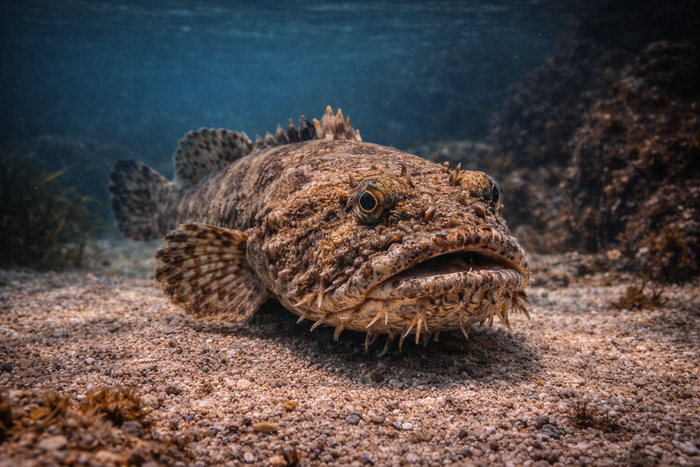
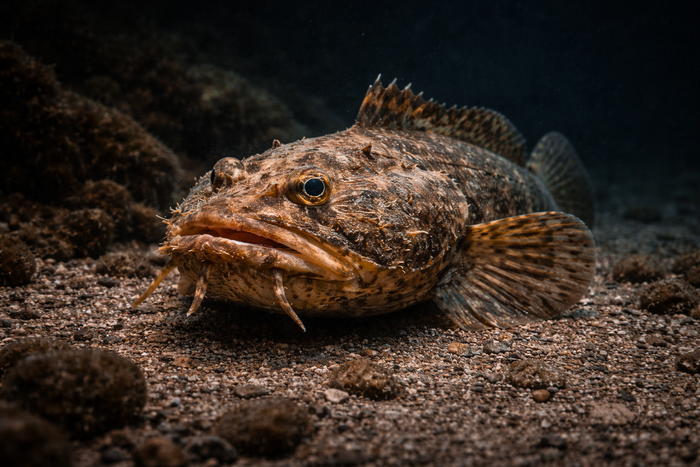
Physically, the Gulf Toadfish is stocky and squat, with a broad, flattened head and a wide mouth filled with sharp teeth. Its skin is rough and mottled, perfectly camouflaged against the Gulf’s sandy and rocky bottoms. This isn’t a fish that relies on speed; it’s a patient ambush predator, waiting for prey to come close before striking.
Another unique trait is its ability to survive in low-oxygen environments. Gulf Toadfish often inhabit shallow, brackish waters where oxygen levels fluctuate. Their physiology allows them to tolerate these conditions better than many other fish, giving them an edge in habitats that can be challenging.
Habitat & Global Range
The Gulf Toadfish is endemic to the Gulf of Mexico, primarily along the coasts of Texas, Louisiana, Mississippi, Alabama, and Florida. Its preferred Gulf Toadfish habitat includes shallow bays, estuaries, and coastal marshes where the water is warm and often murky.
These fish favor structures like oyster reefs, submerged logs, and rocky outcrops. They use these environments as both hunting grounds and protective shelters. The Gulf Toadfish’s ability to thrive in brackish water means it can tolerate a wide range of salinities, making estuarine environments ideal.
Behavior & Temperament
Gulf Toadfish are territorial loners. They stake out a small area and defend it aggressively against intruders. Their behavior is bold for a bottom-dweller; they don’t shy away from confrontation. This territoriality is especially pronounced during breeding season when males vocalize loudly to ward off rivals and attract females.
They are nocturnal hunters, feeding primarily on crustaceans, small fish, and mollusks. Their ambush tactics rely on stealth and patience rather than speed. They lie in wait, blending into the substrate, then strike with a quick snap of their jaws.
Despite their gruff exterior and aggressive tendencies, Gulf Toadfish are not a threat to humans. They are more likely to grunt at you than bite. However, their sharp teeth and strong jaws make them formidable predators in their own right.
Ecological Importance
The Gulf Toadfish plays a critical role in its ecosystem. As a mid-level predator, it helps control populations of smaller fish and invertebrates, maintaining a balance in the food web. Its presence indicates a healthy estuarine environment, as it requires a stable habitat with adequate shelter and prey availability.
Moreover, Gulf Toadfish serve as prey for larger predators, including sharks and larger fish species. This dual role as predator and prey integrates them tightly into the Gulf’s coastal ecosystem.
Their vocalizations also contribute to the underwater soundscape, which is an often-overlooked aspect of marine ecology. These sounds can influence the behavior of other species, adding a layer of complexity to the habitat’s dynamics.
Conservation & Environmental Pressures
While the Gulf Toadfish is not currently listed as endangered or threatened, it faces pressures from habitat degradation. Coastal development, pollution, and the destruction of oyster reefs and marshlands reduce the quality and availability of its habitat.
Water quality issues, including hypoxia (low oxygen zones), can impact Gulf Toadfish populations despite their tolerance for low oxygen. Prolonged or severe hypoxic events can overwhelm their adaptive capabilities.
Climate change poses a longer-term threat by altering water temperatures and salinity patterns in the Gulf. These changes could disrupt breeding cycles and prey availability, challenging the Gulf Toadfish’s survival.
Conservation efforts focused on protecting estuarine habitats and improving water quality indirectly benefit the Gulf Toadfish. Maintaining healthy oyster reefs and marshlands is crucial for preserving the complex ecosystems they depend on.
The FishyAF Take
The Gulf Toadfish is a no-nonsense survivor of the Gulf’s challenging coastal environments. It’s a fish that demands respect, not just for its gruff looks and vocal chops, but for its ecological role and adaptability. If you want to understand the Gulf’s estuarine ecosystems, you can’t ignore the Gulf Toadfish.
This species embodies resilience and territorial grit. It’s a reminder that not all fascinating fish are flashy swimmers or colorful reef dwellers. Some, like the Gulf Toadfish, make their mark quietly—by grunting, lurking, and dominating the bottom line.
For anglers, researchers, or marine enthusiasts, Gulf Toadfish facts offer insight into a species that thrives where others might falter. Keep an ear out for their distinctive croaks next time you’re near a Gulf coast estuary. It’s the sound of a fish that’s as bold as it is unforgettable.