Oyster Toadfish (Opsanus tau): The Grumpy Bottom-Dweller That Packs a Sonic Punch
Meet the Oyster Toadfish, a squat, warty-looking marine oddity that refuses to be ignored. With a face only a mother fish could love and a voice loud enough to shatter the silence of coastal waters, Opsanus tau stands out in the crowded underwater world. This species is not just a curiosity; it’s a master of adaptation, survival, and acoustic communication. If you think fish are silent swimmers, think again. The Oyster Toadfish has a story worth knowing, especially if you’re into marine biology, coastal ecosystems, or just want to impress at your next trivia night.
What Makes the Oyster Toadfish Unique?
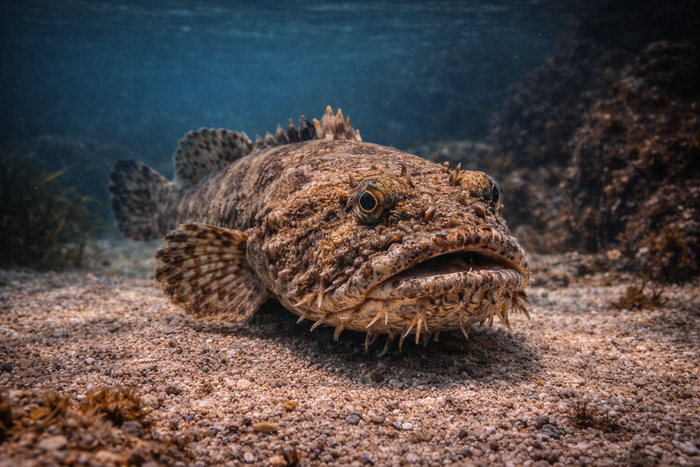
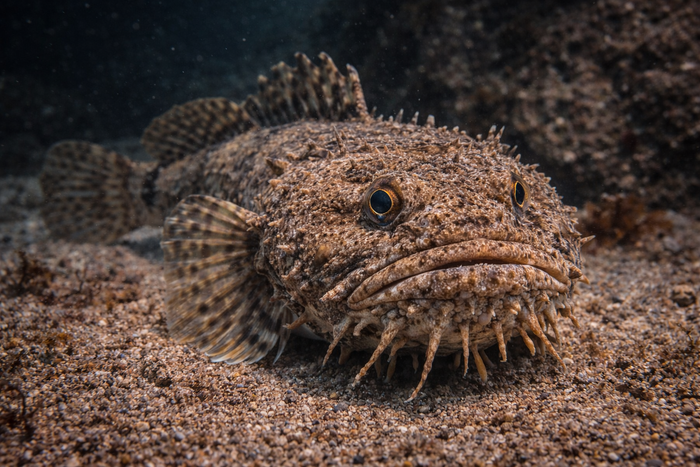
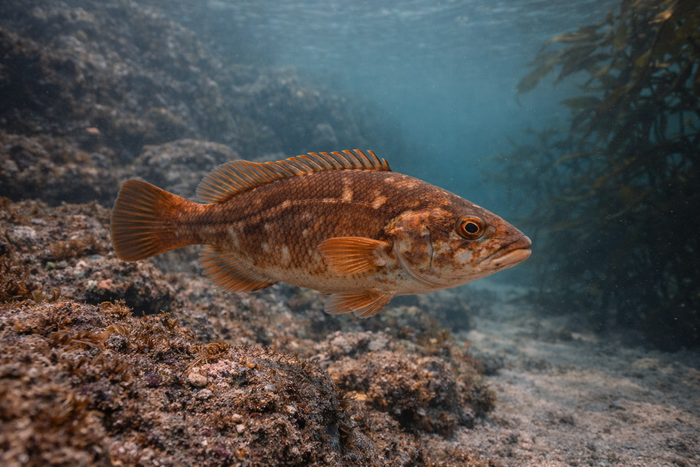
The Oyster Toadfish is a bottom-dwelling fish with a body built for blending in and a personality that’s anything but shy. Its mottled, rough skin and flattened head give it a toad-like appearance, hence the name. But the real standout feature is its ability to produce a distinctive “boatwhistle” sound. This vocalization is generated by specialized muscles that vibrate the swim bladder, making the Oyster Toadfish one of the few fish species known for sound production. Males use this sonic weapon during mating season to attract females and ward off rivals.
Beyond its vocal skills, the Oyster Toadfish is a master of camouflage. It often hides among oyster beds, rocks, and debris, perfectly blending with its surroundings. Its diet is opportunistic, feeding on crustaceans, small fish, and mollusks, which it ambushes with surprising speed and precision. The fish’s robust jaw and sharp teeth make it a formidable predator despite its sluggish appearance.
Habitat & Global Range
Oyster Toadfish facts are closely tied to their habitat. These fish are native to the western Atlantic Ocean, ranging from the Gulf of Maine down to the Gulf of Mexico. They prefer shallow coastal waters, estuaries, and bays where oyster reefs and rocky bottoms provide ample cover. Oyster Toadfish habitat is typically murky, brackish, and rich in structure, which suits their ambush hunting style.
They thrive in environments with plenty of nooks and crannies to hide in, often taking refuge inside oyster shells, hence the name. This habitat preference not only offers protection from predators but also positions them perfectly to snap up unsuspecting prey. Their tolerance for varying salinity levels allows them to inhabit both saltwater and brackish environments, making them versatile survivors in fluctuating coastal conditions.
Behavior & Temperament
Oyster Toadfish behavior is a mix of stealth, territoriality, and vocal theatrics. These fish are mostly sedentary, spending much of their time resting on the bottom or lurking inside oyster beds. When threatened or hunting, they rely on sudden bursts of speed rather than sustained swimming. They are solitary creatures, with males fiercely defending their chosen nesting sites during breeding season.
The vocalizations of the Oyster Toadfish are not just for show. Males produce a low-frequency hum or “boatwhistle” that can carry for hundreds of meters underwater. This sound serves multiple purposes: attracting females, deterring rival males, and even communicating with offspring. It’s a rare example of acoustic communication in fish, making the Oyster Toadfish a subject of interest for scientists studying marine soundscapes.
Despite their grumpy appearance, Oyster Toadfish are not aggressive toward humans. They may grunt or produce sounds if handled, but they pose no real threat. Their temperament is more about survival and reproduction than confrontation.
Ecological Importance
Oyster Toadfish play a crucial role in coastal ecosystems. As mid-level predators, they help control populations of crustaceans and small fish, maintaining a balance in the food web. Their preference for oyster reefs ties them directly to the health of these vital habitats, which are themselves critical for water filtration, shoreline protection, and biodiversity.
By inhabiting oyster beds, Oyster Toadfish contribute to the reef’s ecological dynamics. Their predation can influence the community structure of invertebrates and small fish, indirectly affecting oyster health and growth. This relationship highlights the interconnectedness of species within estuarine environments.
Additionally, their unique vocalizations add to the underwater soundscape, which is an important aspect of marine ecology. Changes in their population or behavior can signal shifts in environmental conditions, making them potential indicators of ecosystem health.
Conservation & Environmental Pressures
While the Oyster Toadfish is not currently listed as endangered, it faces several environmental pressures that could impact its populations. Habitat degradation, particularly the decline of oyster reefs due to overharvesting, pollution, and disease, poses a significant threat. Since Oyster Toadfish rely heavily on these structures for shelter and breeding, the loss of oyster beds directly affects their survival.
Coastal development and water quality issues also contribute to habitat loss and stress. Increased sedimentation and chemical runoff can degrade the murky, structured environments they prefer. Climate change adds another layer of complexity, with rising temperatures and altered salinity patterns potentially disrupting their habitat and reproductive cycles.
Conservation efforts aimed at restoring oyster reefs and improving water quality benefit the Oyster Toadfish along with countless other species. Protecting these habitats is essential for maintaining the biodiversity and resilience of coastal ecosystems.
The FishyAF Take
The Oyster Toadfish is a prime example of how weird and wonderful marine life can be. It’s not flashy or fast, but it’s a survivor with a voice that demands attention. Its unique blend of camouflage, vocal communication, and habitat specialization makes it a fascinating subject for anyone interested in coastal ecology or fish behavior.
If you’re diving or fishing in the oyster-rich waters of the Atlantic coast, keep an eye out for this grumpy little character. It’s a reminder that even the most unassuming fish can have a big story to tell. Understanding Oyster Toadfish facts and their habitat is more than trivia; it’s a window into the complex, interconnected world beneath the waves. Respect their space, appreciate their role, and maybe listen closely—you might just hear the underwater soundtrack of the Oyster Toadfish’s boatwhistle echoing through the reefs.