Planehead Filefish (Stephanolepis hispidus): The Oddball That Owns the Reef’s Edge
The Planehead Filefish is not your average reef dweller. Sporting a quirky, flattened head and a body that looks like it was designed by a minimalist sculptor, this fish stands out in a sea of colorful chaos. Known scientifically as Stephanolepis hispidus, it’s a species that blends boldness with subtlety, making it a fascinating subject for anyone interested in marine life. If you’re after Planehead Filefish facts that go beyond the basics, you’re in the right place.
What Makes the Planehead Filefish Unique?
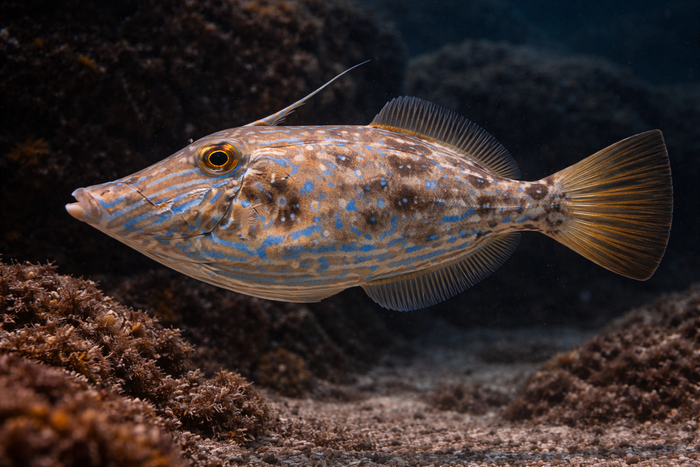
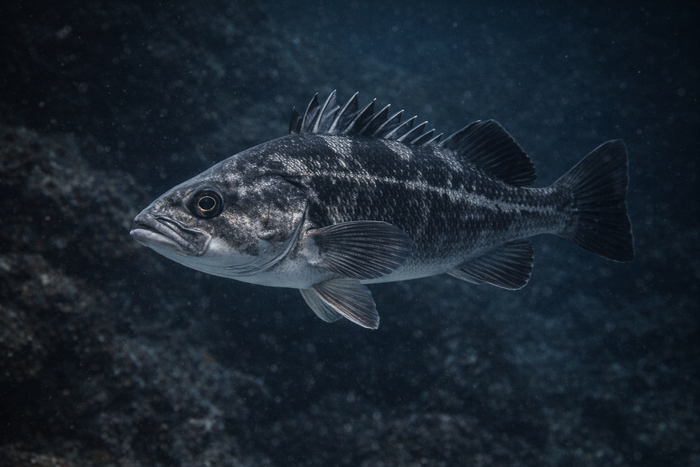
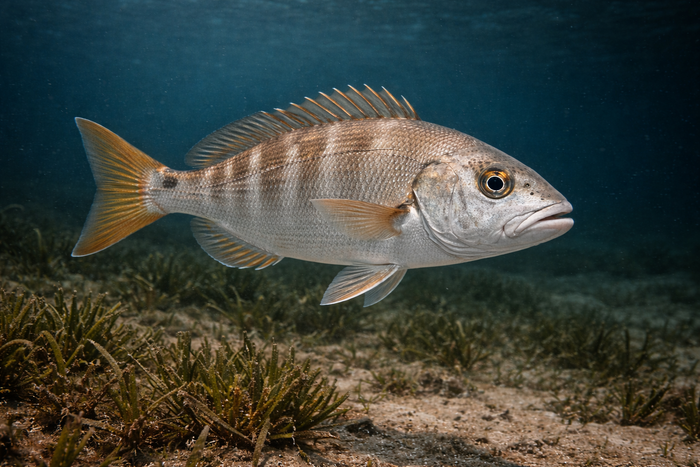
Forget the flashy scales and neon colors of many reef fish. The Planehead Filefish’s charm lies in its understated, almost geometric shape and its tough, sandpaper-like skin. Its head is distinctly flattened and elongated, giving it a “plane-like” profile that’s both functional and unmistakable. This structure isn’t just for show—it helps the fish maneuver through tight crevices and dense seagrass beds where it hunts and hides.
Another standout feature is its ability to change color and pattern to blend into its surroundings. This camouflage is not just a survival tactic but a sophisticated communication tool during mating or territorial disputes. Unlike many fish that rely on speed, the Planehead Filefish uses stealth and subtlety, making it a master of disguise in its habitat.
Habitat & Global Range
The Planehead Filefish is a coastal specialist, favoring shallow waters where seagrass beds, rocky reefs, and sandy bottoms intersect. Its habitat spans the western Atlantic Ocean, from the cooler waters off Nova Scotia down through the Caribbean and as far south as Brazil. This range highlights its adaptability to different temperatures and environments, but it always sticks close to areas rich in vegetation and structure.
Understanding Planehead Filefish habitat is key to appreciating its lifestyle. These fish thrive in zones where they can easily hide from predators and ambush their prey. Seagrass beds are particularly important, serving as both a food source and a nursery ground for juveniles. The health of these habitats directly impacts Planehead Filefish populations, making them a good indicator species for coastal ecosystem health.
Behavior & Temperament
The Planehead Filefish is a curious blend of cautious and bold. It’s not a social butterfly but doesn’t shy away from company either. Typically seen alone or in small groups, it exhibits territorial behavior, especially during breeding seasons. Males can become quite aggressive when defending their patch, using their sharp dorsal spines as warning signals.
Feeding habits are equally interesting. The Planehead Filefish is an omnivore with a preference for algae, small invertebrates, and occasionally sponges. Its specialized teeth allow it to scrape and nibble on tough surfaces, a trait that sets it apart from many reef fish that rely on chasing prey. This slow, deliberate feeding style complements its stealthy nature.
Ecological Importance
Despite its modest size and unassuming appearance, the Planehead Filefish plays a crucial role in maintaining the balance of its ecosystem. By grazing on algae and small invertebrates, it helps control algal overgrowth that can smother coral reefs and seagrass beds. This grazing keeps habitats healthy and supports biodiversity.
Moreover, as prey for larger predators, the Planehead Filefish is an integral link in the food web. Its presence indicates a functioning ecosystem where predator and prey relationships remain intact. The species also contributes to nutrient cycling by breaking down organic material during feeding.
Conservation & Environmental Pressures
The Planehead Filefish is not currently listed as endangered, but it faces threats common to many coastal species. Habitat degradation, particularly the loss of seagrass beds due to pollution, coastal development, and climate change, poses the biggest risk. These habitats are essential for feeding and breeding, so their decline directly impacts Planehead Filefish populations.
Overfishing is less of a concern since the species is not a primary target, but bycatch and habitat disturbance from fishing gear can cause localized declines. Additionally, rising ocean temperatures and acidification threaten the delicate balance of reef and seagrass ecosystems, indirectly affecting the Planehead Filefish.
Conservation efforts that focus on protecting coastal habitats and reducing pollution are vital for the long-term survival of this species. Monitoring Planehead Filefish populations can also provide valuable insights into the health of nearshore marine environments.
The FishyAF Take
The Planehead Filefish is a masterclass in subtlety and adaptation. It’s not flashy, but it’s undeniably fascinating. Its unique shape, clever camouflage, and role in ecosystem balance make it a species worth paying attention to. For anyone interested in marine biology or just looking to understand the complex dance of reef life, the Planehead Filefish offers a perfect case study.
If you want a fish that proves you don’t need bright colors or aggressive behavior to be a key player in the ocean, the Planehead Filefish is your go-to. It’s a reminder that sometimes, the most interesting stories come from the quiet, unassuming characters lurking just beneath the surface. Keep an eye out for this oddball next time you’re exploring shallow reefs or seagrass beds—you won’t forget its plane-like profile anytime soon.