Scrawled Filefish (Aluterus scriptus): The Ocean’s Living Graffiti Artist
Meet the Scrawled Filefish, a marine marvel that looks like it swam straight out of an underwater art gallery. With its elongated body and wild, scribble-like patterns, this species isn’t just another fish in the reef crowd. Aluterus scriptus commands attention with its striking appearance and intriguing behaviors. If you’re diving into Scrawled Filefish facts, prepare to discover a creature that’s as clever as it is colorful.
What Makes the Scrawled Filefish Unique?
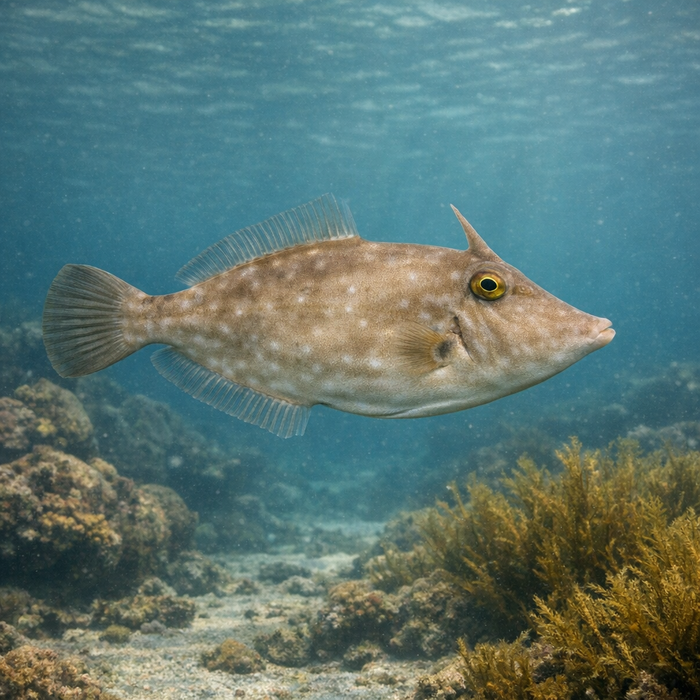
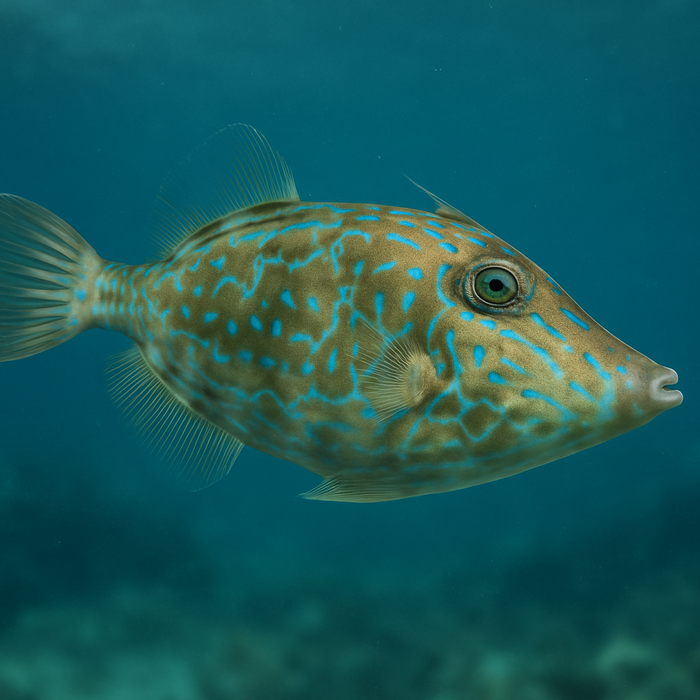
The Scrawled Filefish stands apart from its relatives thanks to its unmistakable body markings—irregular, dark lines that resemble hastily scrawled graffiti across a pale canvas. These patterns aren’t just for show; they provide excellent camouflage among coral branches and rocky substrates. Unlike many fish that rely solely on color, the Scrawled Filefish’s texture and shape also play a role in blending into its environment.
Another standout feature is its leathery, rough skin, which is tougher than your average fish scale. This texture, combined with a small, pointed snout and a retractable first dorsal spine, gives it a distinctive silhouette. The spine can lock into place as a defense mechanism, making it harder for predators to swallow or dislodge.
Scrawled Filefish are also known for their curious diet. They graze on a mix of algae, seagrass, and small invertebrates, showcasing a versatile palate that helps them adapt to different reef conditions. Their feeding habits contribute to reef health by controlling algae growth, a subtle but significant ecological role.
Habitat & Global Range
Scrawled Filefish habitat spans tropical and subtropical waters worldwide, primarily in the Atlantic, Indian, and Pacific Oceans. They favor coral reefs, seagrass beds, and rocky areas where their cryptic coloration offers maximum advantage. These fish are often found at depths ranging from shallow waters to about 50 meters, comfortably navigating complex reef structures.
Their global range is impressive, stretching from the eastern coast of the Americas, across the Caribbean, and into the Indo-Pacific region, including the Red Sea and parts of Australia. This widespread distribution speaks to their adaptability and resilience in various marine environments.
Behavior & Temperament
Scrawled Filefish are generally solitary creatures, maintaining territories that they defend with a mix of subtle displays and quick retreats. They’re not aggressive but will stand their ground if provoked, using their dorsal spine and tough skin as deterrents. Their slow, deliberate swimming style and tendency to freeze when threatened make them masters of disguise.
These fish communicate through body language and color changes, shifting their patterns slightly to signal mood or intent. During breeding season, males become more vibrant, using their scrawled markings to attract females. They exhibit a fascinating reproductive strategy where males guard the eggs until they hatch, ensuring higher survival rates for their offspring.
Ecological Importance
The Scrawled Filefish plays a crucial role in maintaining the balance of reef ecosystems. By feeding on algae and seagrass, they prevent overgrowth that can smother corals and disrupt the delicate reef architecture. Their selective grazing helps promote coral health and biodiversity, indirectly supporting countless other marine species.
Additionally, as prey for larger predators, Scrawled Filefish contribute to the food web, sustaining the ocean’s complex predator-prey dynamics. Their presence is an indicator of healthy reef systems, making them valuable for monitoring environmental changes.
Conservation & Environmental Pressures
Despite their broad range, Scrawled Filefish face threats from habitat degradation, particularly coral reef destruction due to climate change, pollution, and coastal development. Coral bleaching events reduce the structural complexity of reefs, stripping away the hiding spots these fish rely on.
They are not a primary target for fisheries but can be caught incidentally in nets or collected for the aquarium trade. Overcollection, combined with habitat loss, could impact local populations if not managed properly.
Conservation efforts focusing on reef protection and sustainable marine practices are vital to preserving Scrawled Filefish habitat. Protecting seagrass beds and reducing pollution also benefit this species, ensuring their scrawled signatures continue to mark the underwater world.
The FishyAF Take
The Scrawled Filefish is a prime example of nature’s creativity and adaptability. Its bold patterns and unique behaviors make it a standout in any reef ecosystem. Understanding Scrawled Filefish facts reveals a species that’s not just visually captivating but ecologically indispensable. For anyone serious about marine life, the Scrawled Filefish is a reminder that even the most unassuming fish can play a big role in ocean health. Keep an eye out for this living piece of oceanic graffiti next time you’re exploring coral reefs—it’s a fish that demands respect and attention.