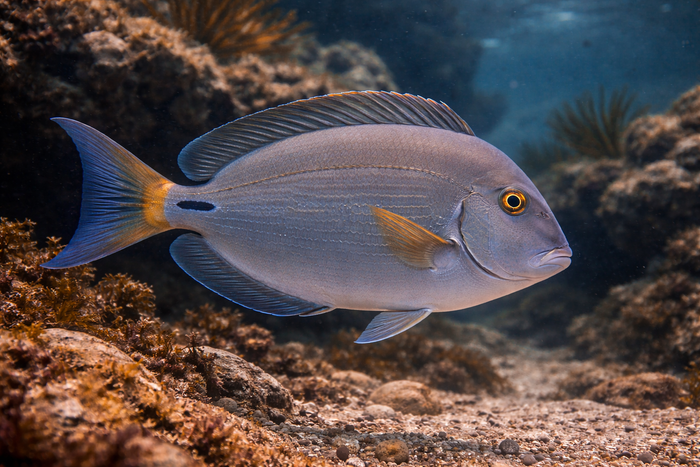
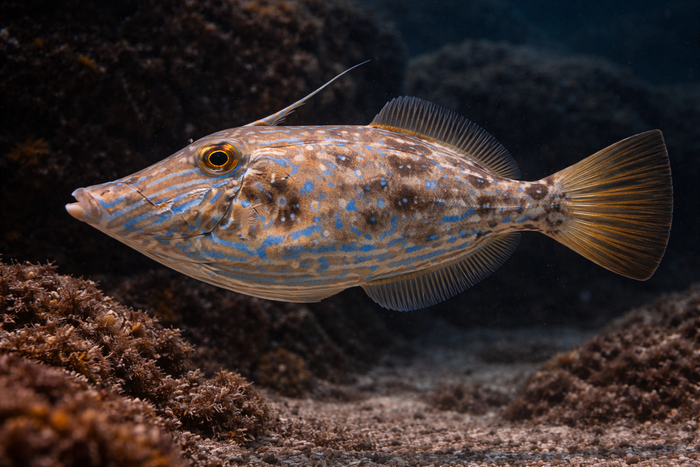
Princess Parrotfish (Scarus taeniopterus): The Reef’s Flashy Grazer with a Personality
The Princess Parrotfish is not your average reef dweller. Sporting a vivid palette of blues, greens, and yellows, this species commands attention wherever it swims. Known scientifically as Scarus taeniopterus, it’s a staple of Caribbean coral reefs and a key player in maintaining the health and vibrancy of these underwater cities. If you want to understand what makes coral reefs tick, you need to know the Princess Parrotfish.
What Makes the Princess Parrotfish Unique?
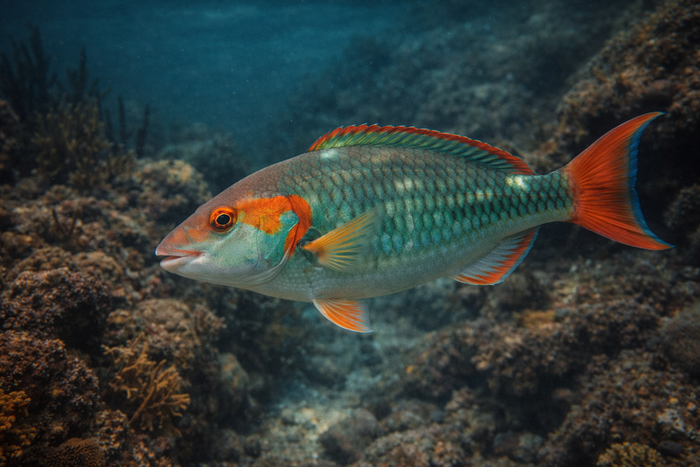
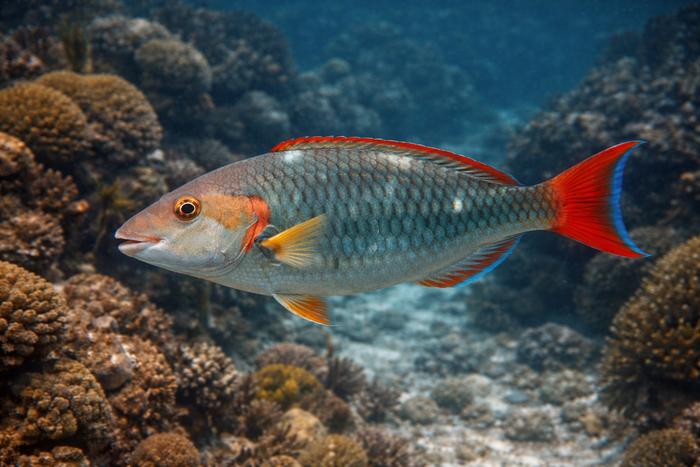
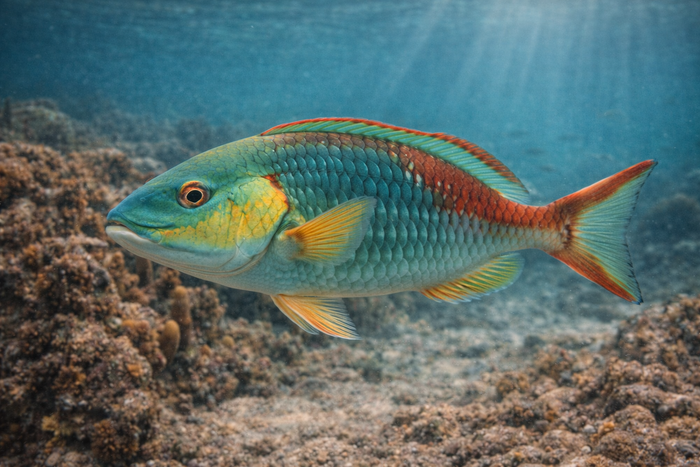
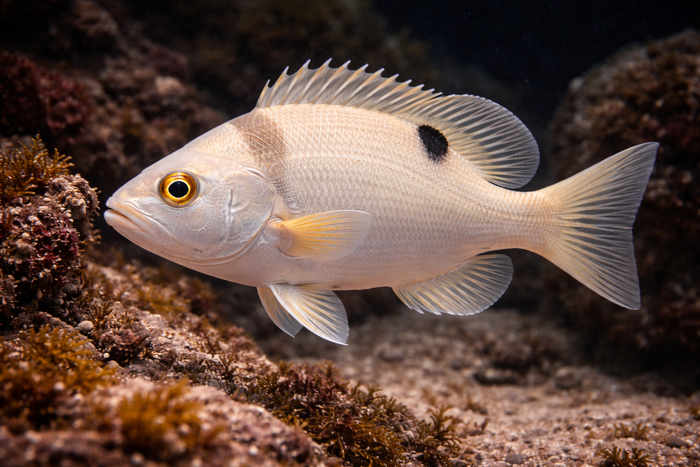
Princess Parrotfish stand out for their striking coloration and their jaw mechanics. Unlike many fish, their teeth are fused into a beak-like structure, perfect for scraping algae and bits of coral off rocks. This isn’t just a feeding quirk; it’s a survival strategy that shapes the reef ecosystem. Their colors change dramatically as they mature and depending on their sex, which is a classic parrotfish trait but especially pronounced here. Males flaunt bright blues and greens with bold yellow accents, while females and juveniles tend to be more subdued but still colorful. This sexual dimorphism and color shifting make them a favorite subject for underwater photographers and marine biologists alike.
Habitat & Global Range
Princess Parrotfish are native to the western Atlantic Ocean, primarily found throughout the Caribbean Sea, the Bahamas, and the Gulf of Mexico. Their Princess Parrotfish habitat is tightly linked to coral reefs, seagrass beds, and rocky substrates where algae thrive. They prefer shallow waters, usually between 1 and 30 meters deep, where sunlight fuels the growth of their primary food source. These fish are reef loyalists, rarely venturing far from their chosen patch of coral. Their presence is a reliable indicator of reef health and biodiversity.
Behavior & Temperament
Princess Parrotfish are diurnal and highly active grazers. They spend most of their daylight hours cruising the reef, scraping algae and dead coral with their powerful beaks. This constant feeding prevents algae from overgrowing and suffocating coral, making them essential reef janitors. They are generally peaceful but can show territorial behavior, especially males defending their feeding grounds or harems. Their social structure is fascinating: they often form small groups, with dominant males overseeing several females. When threatened, they can retreat into a mucus cocoon at night, a bizarre but effective defense against parasites and predators.
Ecological Importance
The Princess Parrotfish is a cornerstone species in coral reef ecosystems. By grazing on algae, they prevent algal blooms that can smother corals and disrupt the delicate balance of reef life. Their feeding also contributes to bioerosion, breaking down dead coral into sand, which helps maintain the reef’s structure and creates habitat for other organisms. This sand production is a critical process that shapes many Caribbean beaches. Without parrotfish like Scarus taeniopterus, reefs would quickly degrade, losing their complexity and the biodiversity they support.
Conservation & Environmental Pressures
Despite their importance, Princess Parrotfish face growing threats. Overfishing, habitat destruction, and climate change are hammering coral reefs worldwide, and these fish are caught in the crossfire. They are often targeted for food and the aquarium trade, which can reduce their populations and disrupt reef dynamics. Coral bleaching and ocean acidification further threaten their habitat, reducing the availability of healthy coral and algae. Conservation efforts are underway in many regions, focusing on marine protected areas and sustainable fishing practices. Protecting Princess Parrotfish is not just about saving a single species; it’s about preserving the entire reef ecosystem.
The FishyAF Take
The Princess Parrotfish is a perfect example of nature’s brilliance in design and function. It’s flashy, functional, and fundamental to reef survival. If you’re serious about understanding coral reefs or just want to appreciate one of the ocean’s most colorful characters, this fish demands your attention. Its role as a reef gardener and sand producer makes it a keystone species, and its vibrant colors make it unforgettable. Protecting the Princess Parrotfish means protecting the reefs themselves, which means protecting the future of countless marine species and coastal communities. In the grand scheme of ocean life, this fish punches way above its weight. Keep an eye out for it on your next dive—it’s a reminder that sometimes, the most beautiful things are also the most essential.