Redband Parrotfish (Sparisoma aurofrenatum): The Vibrant Grazer That Shapes Coral Reefs with Attitude
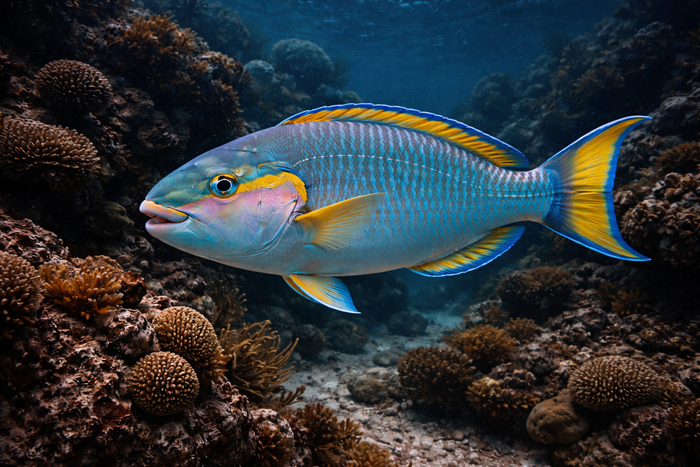
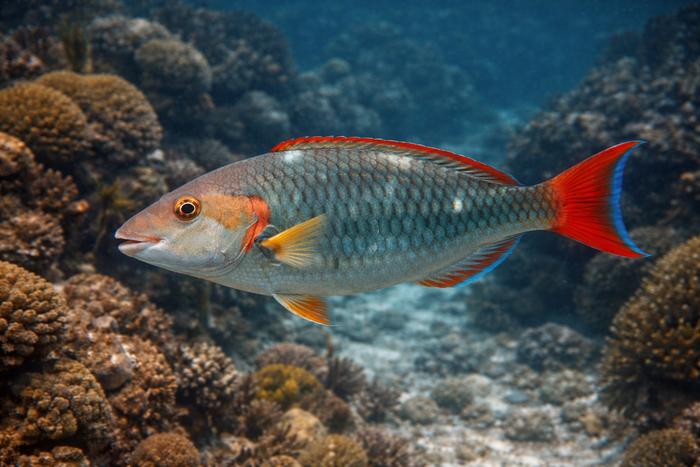
The Redband Parrotfish is not your average reef dweller. Sporting a striking palette of reds, yellows, and blues, this fish commands attention wherever it swims. Known scientifically as Sparisoma aurofrenatum, it’s a vital player in tropical marine ecosystems, especially in the Caribbean. Beyond its flashy looks, the Redband Parrotfish is a powerhouse of reef maintenance, chewing through algae and dead coral to keep reefs healthy and vibrant. If you want to understand how coral reefs stay alive and kicking, you need to know this species.
What Makes the Redband Parrotfish Unique?
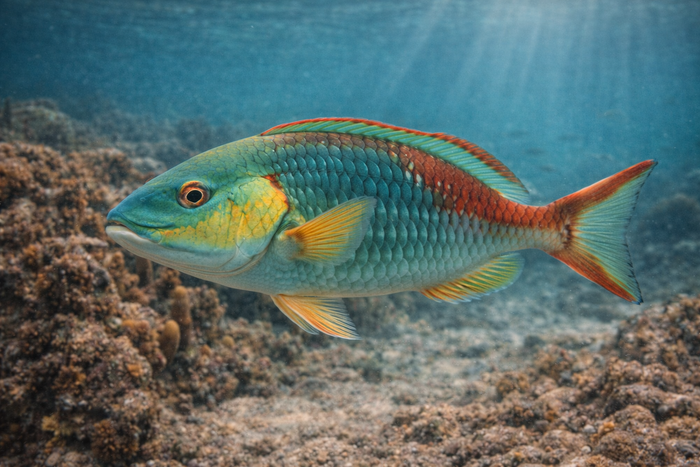
Redband Parrotfish stand out for several reasons. First, their coloration is bold and unmistakable. Males flaunt a bright red band across their bodies, while females and juveniles sport more muted tones, often with greenish or brown hues. This sexual dimorphism and color shift are part of their complex life cycle, which includes sequential hermaphroditism—meaning individuals can change sex during their lifetime, typically from female to male.
Another unique trait is their beak-like teeth. These fused teeth form a parrot-like beak, perfect for scraping algae and dead coral from reef surfaces. This feeding mechanism is not just about eating; it’s about sculpting the reef environment. Their bites grind coral into sand, contributing to the sandy beaches you find in tropical regions.
Redband Parrotfish also have a fascinating social structure. Males often control territories and harems of females, defending their patch of reef aggressively. This territorial behavior is a key factor in their breeding success and population dynamics.
Habitat & Global Range
The Redband Parrotfish calls the warm waters of the western Atlantic home. Their range stretches from the coast of Florida and the Bahamas down through the Caribbean Sea and along the northern coast of South America. They prefer shallow coral reefs, seagrass beds, and rocky substrates, usually at depths from 1 to 30 meters.
Redband Parrotfish habitat is typically characterized by abundant coral growth and clear waters. These environments provide ample food sources and shelter. They thrive in areas where coral reefs are healthy and diverse, but they can also be found in degraded reefs, where their grazing helps control algal overgrowth.
Behavior & Temperament
Redband Parrotfish are diurnal, meaning they are active during the day and rest at night. Their feeding behavior is relentless; they spend much of daylight hours scraping algae and dead coral. This constant grazing prevents algae from smothering corals, which is crucial for reef survival.
Territorial males are known for their assertiveness. They patrol their domains, warding off rival males and courting females. Females and juveniles tend to be more social, sometimes forming small groups for feeding and protection.
At night, Redband Parrotfish exhibit a unique behavior—they secrete a mucous cocoon around themselves. This slimy shield masks their scent and protects them from nocturnal predators while they sleep. It’s a clever evolutionary trick that few reef fish employ.
Ecological Importance
The Redband Parrotfish is a keystone species in coral reef ecosystems. Their grazing habits keep algae in check, which is essential for coral larvae to settle and grow. Without parrotfish like Sparisoma aurofrenatum, algae would quickly overrun reefs, leading to coral decline and loss of biodiversity.
Moreover, their bioerosion activity—biting and grinding coral—helps produce sand, contributing to the formation of beaches and maintaining the physical structure of reefs. This process also recycles calcium carbonate, a critical component of reef building.
Their role extends beyond just eating algae. By maintaining the balance between coral and algae, Redband Parrotfish support the entire reef food web, benefiting countless species from tiny invertebrates to large predatory fish.
Conservation & Environmental Pressures
Despite their ecological importance, Redband Parrotfish face several threats. Overfishing is a significant issue, especially in regions where parrotfish are targeted for food or the aquarium trade. Removing these grazers disrupts reef dynamics, often leading to algal overgrowth and coral decline.
Habitat degradation from pollution, coastal development, and climate change also impacts Redband Parrotfish populations. Coral bleaching events reduce the availability of healthy reef habitat, while ocean acidification affects coral growth and the structural integrity of reefs.
Marine protected areas and fishing regulations have shown some success in preserving Redband Parrotfish populations, but enforcement remains inconsistent. Protecting their habitat and managing fisheries sustainably are critical to ensuring these fish continue their vital ecological role.
The FishyAF Take
The Redband Parrotfish is a reef guardian with style and substance. Its vibrant colors and intriguing behaviors make it a standout species, but its real value lies in its ecological function. This fish is a natural landscaper, tirelessly maintaining the delicate balance of coral reef ecosystems. Ignoring the importance of Redband Parrotfish is like ignoring the janitor who keeps the place running smoothly—except this janitor shapes entire underwater cities.
For anyone serious about reef conservation or marine biology, understanding Redband Parrotfish facts is non-negotiable. Their presence signals a healthy reef, and their absence warns of trouble. Protecting their habitat and populations isn’t just about saving a pretty fish; it’s about preserving the foundation of some of the most diverse and productive ecosystems on the planet.
In short, the Redband Parrotfish is a bold, colorful, and indispensable player in the marine world. Keep an eye out for this vibrant grazer next time you dive or snorkel—it’s working hard to keep the reef alive and kicking.