Redtail Parrotfish (Sparisoma chrysopterum): The Vibrant Grazer That Shapes Coral Reefs
The Redtail Parrotfish, Sparisoma chrysopterum, is a standout in the underwater world. Its striking colors and robust presence make it impossible to ignore. More than just a pretty face, this species plays a critical role in maintaining the health of coral reef ecosystems. If you want to understand the dynamics of reef life, knowing the Redtail Parrotfish is non-negotiable.
What Makes the Redtail Parrotfish Unique?
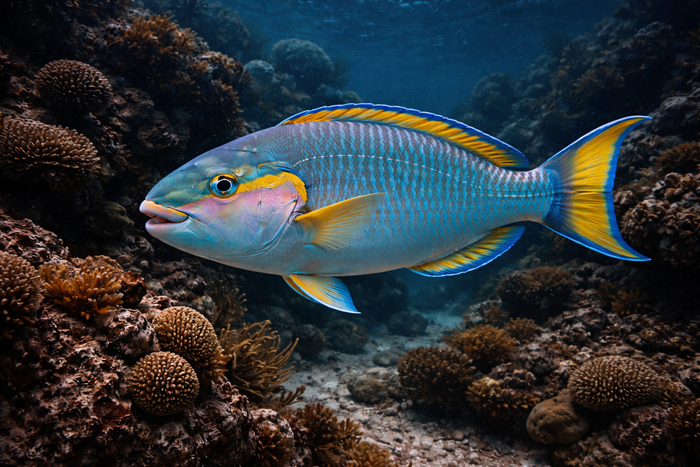
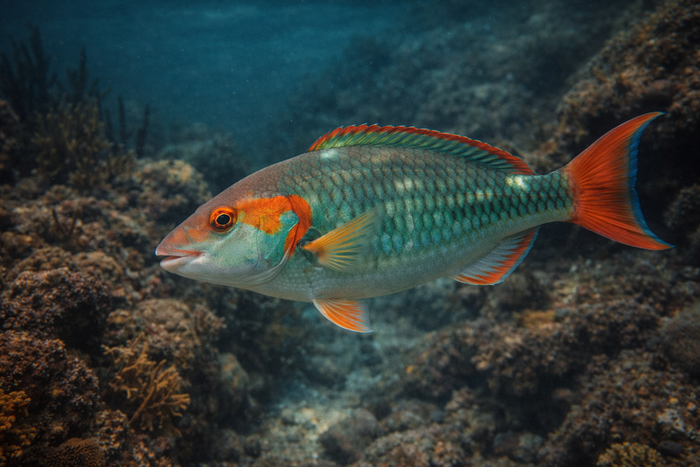
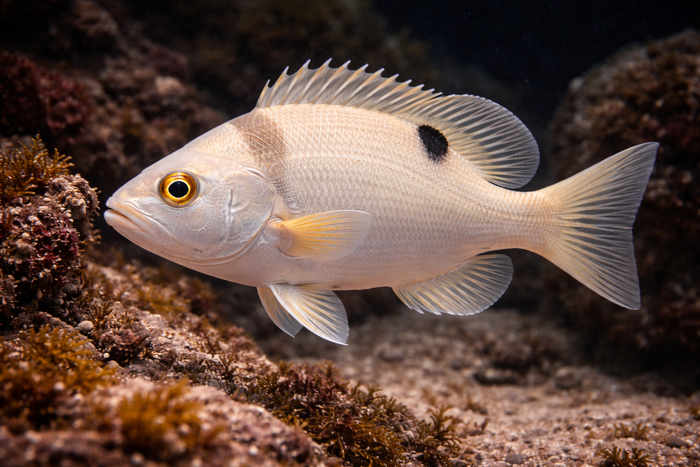
This parrotfish is instantly recognizable by its vivid red tail, which contrasts sharply with its greenish to bluish body. But the real story lies beneath the surface. Redtail Parrotfish have powerful beak-like teeth fused into a parrot-like mouth, perfect for scraping algae and dead coral. This feeding mechanism is not just a quirky adaptation; it’s a vital ecological tool. Unlike many fish that nibble on live coral, Redtail Parrotfish focus on the algae that can otherwise smother reefs. Their ability to grind down coral into fine sand contributes to the natural sand production that forms beaches and seabeds.
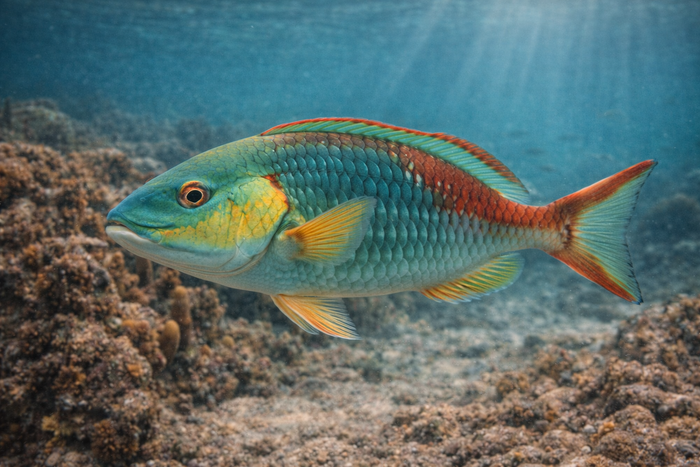
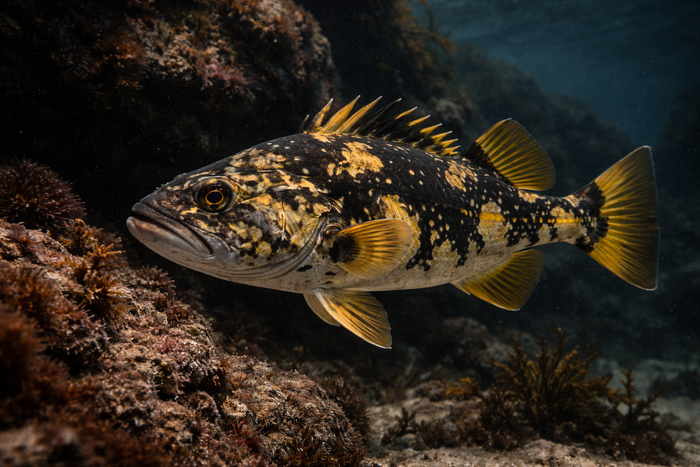
Another unique feature is their complex life cycle and color phases. Juveniles and initial phase adults display different color patterns compared to terminal phase males, which flaunt the brightest hues. This sexual dimorphism and sequential hermaphroditism—where individuals can change sex—add layers to their social structure and breeding strategies.
Habitat & Global Range
Redtail Parrotfish are native to the western Atlantic Ocean, ranging from Bermuda and Florida down through the Caribbean and along the northern coast of South America. Their preferred Redtail Parrotfish habitat includes shallow coral reefs, seagrass beds, and rocky substrates typically between 3 to 30 meters deep. These environments provide ample food sources and shelter.
This species thrives in warm tropical waters where coral reefs flourish. The health of these habitats directly influences Redtail Parrotfish populations. When reefs are vibrant and intact, these fish have the resources to grow and reproduce effectively. Conversely, degraded reefs mean less food and fewer hiding spots, putting pressure on their numbers.
Behavior & Temperament
Redtail Parrotfish are diurnal, spending daylight hours actively grazing on algae and coral surfaces. They are generally solitary or found in small groups, with dominant terminal phase males often defending territories. Their territorial behavior is subtle but firm, involving displays of color and body posture rather than outright aggression.
Despite their bold appearance, Redtail Parrotfish are not aggressive toward divers or other large marine animals. They maintain a cautious distance but are curious enough to investigate unfamiliar objects. Their feeding behavior is relentless and efficient, constantly scraping surfaces to keep algae in check.
During breeding seasons, males become more conspicuous, performing courtship displays to attract females. Spawning occurs in open water, with eggs and larvae drifting with currents until settling into suitable habitats.
Ecological Importance
Redtail Parrotfish are ecosystem engineers. Their grazing controls algal growth, preventing algae from outcompeting corals for space and light. This balance is crucial for coral reef resilience and biodiversity. Without parrotfish like Sparisoma chrysopterum, reefs can quickly shift from coral-dominated to algae-dominated systems, which are far less hospitable to marine life.
Their bioerosion activity—biting and grinding coral—also contributes to sediment production. This sand is essential for reef structure and the formation of beaches, supporting coastal ecosystems and human communities.
In addition, Redtail Parrotfish serve as prey for larger predators, fitting into the food web as both consumers and a food source. Their presence indicates a healthy reef system, making them a valuable species for monitoring reef health.
Conservation & Environmental Pressures
Despite their ecological importance, Redtail Parrotfish face multiple threats. Overfishing is a significant concern, especially in regions where reef fish are targeted for food or the aquarium trade. Their slow growth and complex reproductive cycles make population recovery slow once depleted.
Habitat degradation from coral bleaching, pollution, and coastal development further endangers their survival. Coral reefs worldwide are under siege from rising sea temperatures and acidification, which directly impact Redtail Parrotfish habitat quality.
Marine protected areas and sustainable fishing regulations have shown promise in conserving Redtail Parrotfish populations. Protecting their habitat and controlling fishing pressure are critical steps to ensure these fish continue their role as reef caretakers.
The FishyAF Take
The Redtail Parrotfish is more than just a splash of color on the reef. It’s a powerhouse species that keeps coral ecosystems ticking. Understanding Redtail Parrotfish facts reveals a fish perfectly adapted to its niche, balancing reef growth and decay with every bite. Their bold colors and behaviors make them a favorite among divers and researchers alike, but their real value lies in their ecological function.
If you care about coral reefs, you need to care about Redtail Parrotfish. Protecting their habitat and curbing overfishing isn’t just good conservation—it’s smart ecosystem management. These fish are frontline defenders of reef health, and losing them means tipping the scales toward reef collapse. Keep an eye out for the red tail; it’s a sign of a reef still fighting to thrive.