Yellow Sea Chub (Kyphosus incisor): The Ocean’s Bold Gardener in Yellow
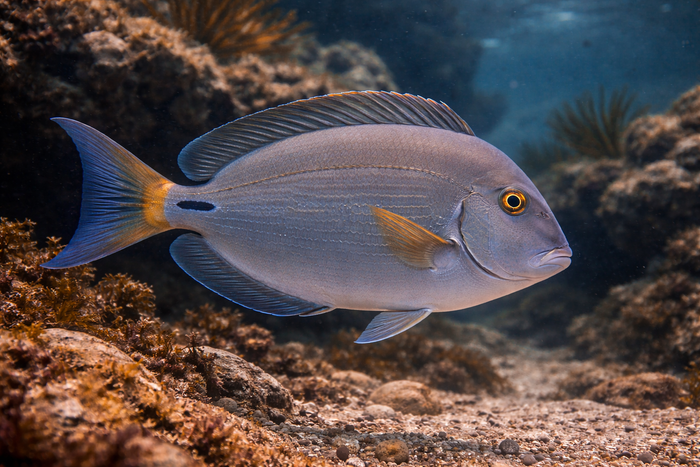
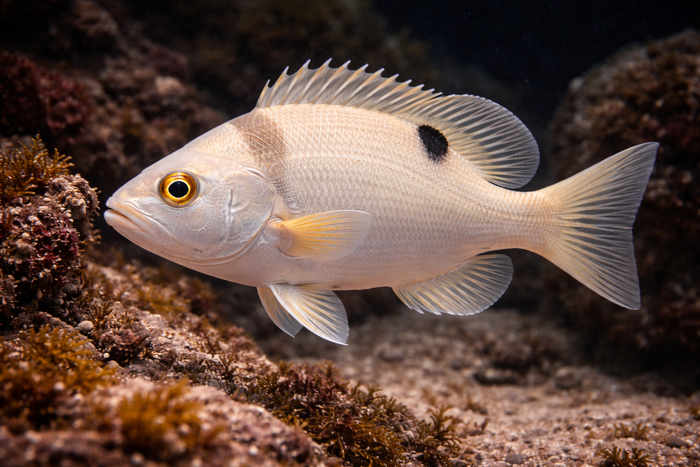
The Yellow Sea Chub is not your average reef dweller. Sporting a sleek, silvery body with a distinct yellowish tint, this fish commands attention without shouting. Known scientifically as Kyphosus incisor, it’s a species that blends subtle beauty with ecological muscle. If you’re diving into Yellow Sea Chub facts, prepare to meet a fish that’s as important to its environment as it is intriguing to observe.
What Makes the Yellow Sea Chub Unique?
The Yellow Sea Chub stands out for its herbivorous diet, a rarity among many reef fish that tend to favor protein-rich meals. Instead of chasing down prey, this species grazes on algae, playing a crucial role in maintaining the balance of its underwater turf. Its teeth are specially adapted to nip and scrape algae off rocks and coral surfaces, making it a natural gardener of the sea.
Physically, the Yellow Sea Chub’s streamlined body and forked tail enable it to navigate strong currents with ease, a necessity given its preference for coastal and reef environments exposed to wave action. Its coloration isn’t just for show; the yellow hues help it blend with sunlit waters and kelp beds, providing camouflage from predators.
Habitat & Global Range
Yellow Sea Chub habitat spans the eastern Pacific, primarily along the coasts of California, Mexico, and Central America. They favor rocky reefs, kelp forests, and coastal lagoons where algae flourish. These environments provide both food and shelter, allowing the chub to thrive in relatively shallow waters, typically from the surface down to about 30 meters.
Their presence in kelp forests is particularly notable. These underwater forests are biodiversity hotspots, and the Yellow Sea Chub’s grazing helps prevent algal overgrowth that can smother kelp and other marine life. This fish is a fixture in temperate marine ecosystems, adapting well to the fluctuating conditions of coastal waters.
Behavior & Temperament
Yellow Sea Chubs are generally peaceful and social fish. They often form loose schools, which can number from a handful to several dozen individuals. This schooling behavior offers protection against predators and increases foraging efficiency. Unlike aggressive reef fish, the Yellow Sea Chub maintains a calm demeanor, focusing on its primary task: grazing.
Their feeding behavior is methodical and persistent. They patrol their territory, nibbling on algae patches and occasionally moving to new areas when resources become scarce. This constant grazing helps keep algal growth in check, preventing it from overwhelming coral and other sessile organisms.
Ecological Importance
The Yellow Sea Chub is a keystone species in its habitat. By controlling algal populations, it prevents the overgrowth that can choke out coral reefs and kelp forests. This balance supports a diverse range of marine life, from invertebrates to larger predatory fish.
Additionally, their grazing activity promotes coral health by reducing competition for space and light. Healthy coral reefs, in turn, support fisheries and protect coastlines from erosion. The Yellow Sea Chub’s role in these ecosystems is a prime example of how even modest fish can have outsized impacts on marine environments.
Conservation & Environmental Pressures
While the Yellow Sea Chub is not currently listed as endangered, it faces threats common to many coastal species. Habitat degradation from pollution, coastal development, and climate change poses significant risks. Rising sea temperatures and ocean acidification can disrupt kelp forests and algal communities, directly impacting the chub’s food sources.
Overfishing is less of a concern for this species, as it is not a primary target for commercial fisheries. However, bycatch and habitat destruction from fishing gear can still affect populations. Conservation efforts aimed at protecting kelp forests and coastal habitats indirectly benefit the Yellow Sea Chub, highlighting the interconnected nature of marine conservation.
The FishyAF Take
The Yellow Sea Chub is a quiet powerhouse of the coastal marine world. It doesn’t dazzle with flashy colors or aggressive antics, but its ecological role is indispensable. This species reminds us that sometimes the most impactful players in an ecosystem are the ones quietly doing their job day after day.
For anyone interested in marine biology or sustainable fisheries, understanding Yellow Sea Chub facts and habitat dynamics offers valuable insight into how herbivorous fish contribute to ocean health. Protecting these fish means preserving the delicate balance of kelp forests and reefs, which benefits countless other species — including us.
In short, the Yellow Sea Chub is a master of subtlety and survival. It’s a species worth watching, appreciating, and protecting.