Stoplight Parrotfish (Sparisoma viride): The Reef’s Colorful Grazer with a Taste for Coral and a Flair for Drama
The Stoplight Parrotfish is one of the most recognizable and ecologically significant fish cruising the coral reefs of the Caribbean and western Atlantic. Sporting a palette that shifts with age and mood, this species isn’t just a pretty face. It’s a vital player in reef maintenance and a fascinating example of marine adaptation. Whether you’re a diver, aquarist, or reef enthusiast, understanding the Stoplight Parrotfish offers insight into the complex dance of reef ecosystems and the colorful cast of characters that keep them alive.
What Makes the Stoplight Parrotfish Unique?
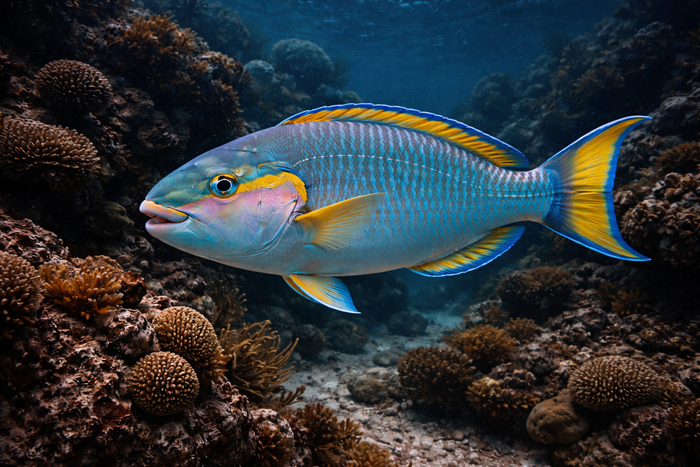
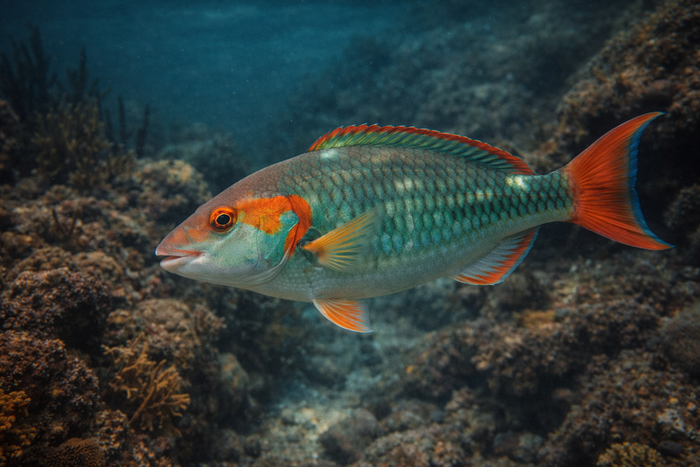
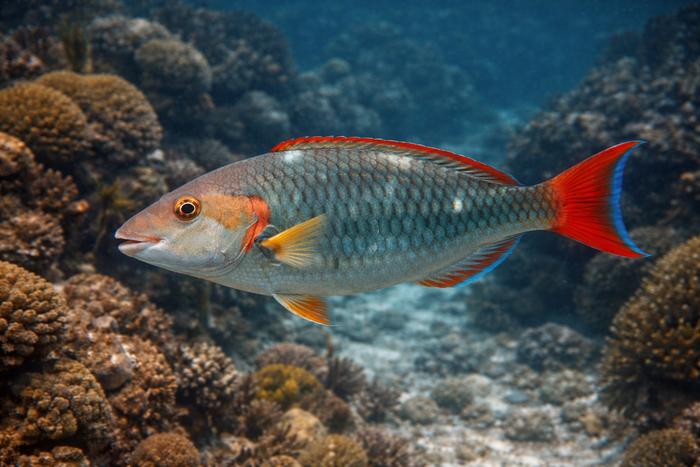
Stoplight Parrotfish stand out for their striking color transformations and their specialized feeding habits. Juveniles flaunt a bright yellow body with a distinctive red spot near the pectoral fin—hence the name “stoplight.” As they mature, their colors shift dramatically, often displaying a mix of green, blue, and pink hues with intricate patterns that can confuse even seasoned observers. This color change isn’t just for show; it signals different life stages and social roles within their groups.
Their beak-like teeth are another signature feature. These teeth are fused into a parrot-like beak, perfectly designed to scrape algae and bite chunks off coral. This feeding strategy is crucial because it helps control algal growth, preventing algae from suffocating corals. The Stoplight Parrotfish’s diet is a mix of algae, coral polyps, and other benthic organisms, making it both a grazer and a bioeroder. This dual role is rare and essential for reef health.
Habitat & Global Range
Stoplight Parrotfish are native to the western Atlantic Ocean, ranging from Bermuda and Florida down through the Caribbean Sea and along the northern coast of South America. Their preferred Stoplight Parrotfish habitat is shallow coral reefs, typically between 1 and 30 meters deep. They thrive in areas with abundant coral cover and complex reef structures, which provide both food and shelter.
These fish are often found patrolling reef slopes, lagoon reefs, and patch reefs. Their presence is a good indicator of reef health because they rely on robust coral communities to sustain their feeding habits. In degraded reefs, Stoplight Parrotfish populations tend to decline, underscoring their sensitivity to environmental changes.
Behavior & Temperament
Stoplight Parrotfish are diurnal and highly active during daylight hours. They spend much of their time grazing on algae and coral, moving steadily across the reef. Their feeding behavior is methodical but impactful—each bite chips away at coral skeletons, contributing to the natural erosion and sediment production that shapes reef landscapes.
Socially, they exhibit complex behaviors. Males often establish and defend territories that encompass feeding grounds and potential mates. These territories can be aggressively guarded, with males displaying vivid colors and engaging in head-butting contests to assert dominance. Females and juveniles tend to be more social and less territorial, sometimes forming loose groups.
One of the most fascinating aspects of Stoplight Parrotfish behavior is their sequential hermaphroditism. Individuals typically start life as females and can later transition to males, a process influenced by social structure and environmental factors. This sex change ensures reproductive flexibility and helps maintain population stability.
Ecological Importance
The Stoplight Parrotfish is a keystone species in coral reef ecosystems. Its grazing controls algal overgrowth, which is one of the primary threats to coral survival. Without herbivores like the Stoplight Parrotfish, algae can quickly dominate reefs, blocking sunlight and smothering corals.
Beyond algae control, their bioerosion activities contribute to reef resilience. By breaking down dead coral into sand and rubble, they help create habitats for other organisms and contribute to the sediment that forms beaches. This natural sand production is a critical ecosystem service often overlooked.
Their role in nutrient cycling is also significant. By consuming coral and algae and excreting waste, they redistribute nutrients across the reef, supporting diverse microbial and invertebrate communities. In short, Stoplight Parrotfish keep reefs clean, dynamic, and capable of supporting a vast array of marine life.
Conservation & Environmental Pressures
Despite their importance, Stoplight Parrotfish face mounting threats. Overfishing is a major concern, especially in regions where they are targeted for food or caught as bycatch. Their slow growth and complex reproductive cycle make population recovery challenging once numbers decline.
Habitat degradation from coral bleaching, pollution, and coastal development also impacts their populations. Since they depend on healthy coral reefs for food and shelter, the loss of coral cover directly reduces their habitat quality and availability.
Marine protected areas and fishing regulations have shown promise in helping Stoplight Parrotfish populations rebound. However, enforcement remains inconsistent, and climate change continues to threaten reef ecosystems globally. Protecting this species means protecting the reefs themselves—a task that requires coordinated conservation efforts and public awareness.
The FishyAF Take
The Stoplight Parrotfish is a living testament to the intricate balance of coral reef ecosystems. Its flashy colors and unique behaviors might grab your attention, but its ecological role is what truly commands respect. This fish is not just a reef dweller; it’s a reef engineer, a gardener, and a guardian of marine biodiversity.
If you want to understand coral reefs, start with the Stoplight Parrotfish. Their presence signals a reef’s health, their feeding shapes the reef’s future, and their survival hinges on our ability to protect these fragile underwater cities. Stoplight Parrotfish facts aren’t just trivia—they’re a call to action. Keep an eye out for these vibrant grazers next time you dive or snorkel. They’re doing the hard work that keeps reefs alive and kicking, one coral bite at a time.