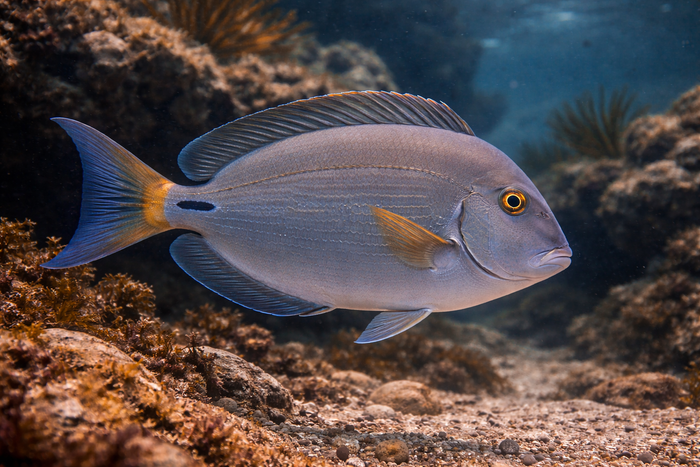
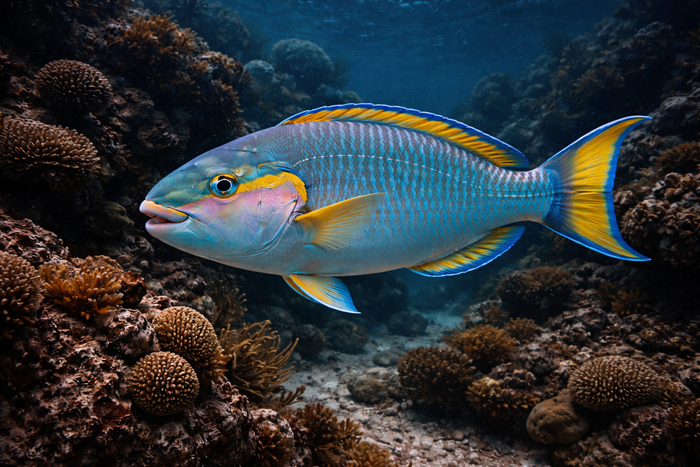
Black Triggerfish (Melichthys niger): The Ocean’s Sleek, Shadowy Enforcer
The Black Triggerfish, Melichthys niger, is a striking marine species that commands attention with its sleek, jet-black body and sharp angular profile. This fish isn’t just another reef dweller; it’s a bold presence in tropical and subtropical waters worldwide. Known for its distinctive shape and assertive behavior, the Black Triggerfish stands out among triggerfish species, making it a favorite for divers and marine enthusiasts who appreciate both beauty and attitude in the ocean’s cast of characters.
What Makes the Black Triggerfish Unique?
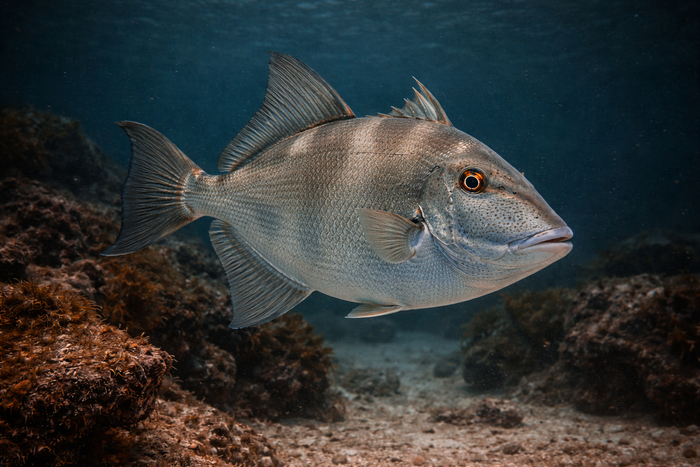
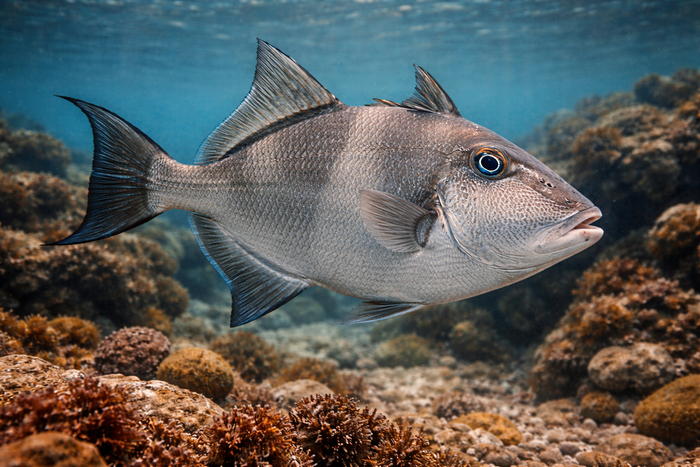
Black Triggerfish are instantly recognizable by their deep black coloration, which can sometimes appear almost iridescent under the right light. Their body shape is compact and oval, with a tough, leathery skin that serves as armor against predators and rough coral environments. The name “triggerfish” comes from the unique dorsal fin mechanism: a strong first spine that locks into place and can be “released” by a smaller second spine, like a trigger. This locking spine is a defense mechanism, allowing the fish to wedge itself into crevices and resist extraction.
Unlike some triggerfish known for their bright, flashy colors, the Black Triggerfish’s monochrome look is both elegant and intimidating. They have a pronounced snout and strong jaws equipped with teeth designed to crush hard-shelled prey. Their diet includes sea urchins, crustaceans, and other invertebrates, making them important predators on the reef.
Habitat & Global Range
Black Triggerfish habitat spans tropical and subtropical oceans around the globe. They are found in the Indo-Pacific region, including the waters around Hawaii, the Red Sea, and parts of the Indian Ocean. They also appear in the eastern Pacific, from California down to Peru. This wide distribution speaks to their adaptability.
Typically, Black Triggerfish prefer coral reefs, rocky outcrops, and drop-offs where they can find shelter and abundant food. They are often seen cruising along reef slopes or hovering near caves and ledges. Their preference for deeper reef zones compared to some other triggerfish species means they often inhabit areas between 10 and 40 meters deep, though they can be found both shallower and deeper depending on local conditions.
Behavior & Temperament
Black Triggerfish are known for their territorial and sometimes aggressive behavior, especially during breeding seasons or when guarding food sources. They are solitary or found in small groups, patrolling their chosen reef sections with a confident, almost confrontational attitude. If threatened, they will use their dorsal spine to lock themselves into crevices, making it difficult for predators to dislodge them.
Their swimming style is deliberate and powerful, using their dorsal and anal fins for precise maneuvering rather than speed bursts. This controlled movement allows them to navigate complex reef structures efficiently while hunting or defending territory.
Despite their aggressive streak, Black Triggerfish are not mindless fighters. They exhibit complex behaviors such as cleaning symbiosis, where they allow smaller fish to remove parasites from their skin. This shows a level of ecological interaction that goes beyond simple predator-prey dynamics.
Ecological Importance
The Black Triggerfish plays a crucial role in maintaining reef health. By preying on sea urchins and other invertebrates that can overgraze coral, they help keep the delicate balance of reef ecosystems intact. Sea urchins, in particular, can devastate coral if left unchecked, so the Black Triggerfish acts as a natural regulator.
Their presence also supports biodiversity. By controlling populations of certain species, they indirectly promote coral growth and habitat complexity, which benefits countless other marine organisms. Additionally, their role as prey for larger predators integrates them into the broader food web, making them a vital link in oceanic ecosystems.
Conservation & Environmental Pressures
While the Black Triggerfish is not currently listed as endangered, it faces several environmental pressures that could impact its populations. Coral reef degradation due to climate change, ocean acidification, and human activities like overfishing and habitat destruction threaten the habitats Black Triggerfish depend on.
Their territorial nature and reliance on specific reef structures mean that habitat loss can have outsized effects on local populations. Furthermore, they are sometimes caught as bycatch in fisheries targeting other species, and in some regions, they are collected for the aquarium trade.
Protecting Black Triggerfish habitat is essential for their survival. This means supporting reef conservation efforts, reducing pollution, and managing fisheries sustainably. Healthy reefs not only safeguard Black Triggerfish but also preserve the intricate ecosystems they help maintain.
The FishyAF Take
Black Triggerfish are the ocean’s sleek enforcers—tough, territorial, and essential. Their bold black silhouette is more than just a visual statement; it’s a symbol of their role in reef ecosystems as both predator and protector. Understanding Black Triggerfish facts and their habitat preferences reveals a species finely tuned to its environment, capable of influencing reef dynamics in significant ways.
For anyone serious about marine life, the Black Triggerfish is a reminder that beauty and brawn coexist beneath the waves. They demand respect, not just for their striking appearance but for their ecological importance. Keep an eye out for these shadowy sentinels on your next dive—they’re a testament to the complexity and resilience of coral reef communities.