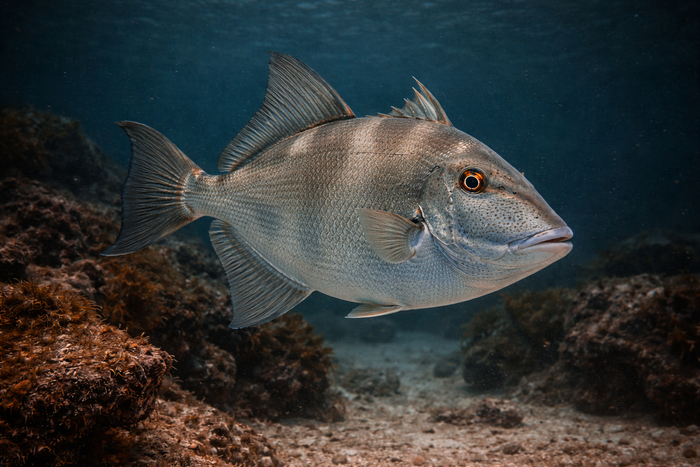
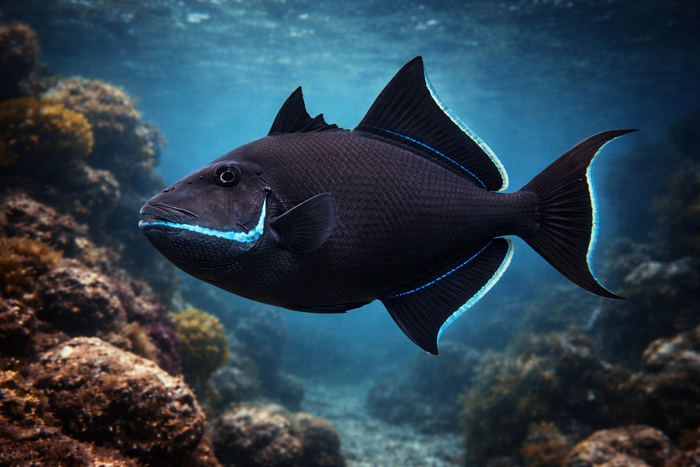
Triggerfish (Balistes capriscus): A Bold, Memorable Hook Line
Triggerfish don’t just swim into your life quietly. With their armored bodies and bold personalities, they demand attention. These fish are as tough as they look and as clever as they come, making them a standout in any marine ecosystem.
Triggerfish, specifically Balistes capriscus, are a striking species known for their tough exterior and sharp behavior. Found in warm coastal waters, they’re a favorite among anglers and marine enthusiasts alike. Their unique physiology and assertive nature make them a fascinating subject for anyone interested in marine life. This guide dives deep into triggerfish facts, exploring what sets them apart, where they thrive, and why they matter in the ocean’s delicate balance.
What Makes the Triggerfish Unique?
Triggerfish are built like underwater tanks. Their bodies are covered in tough, rough scales that act like armor plating. This isn’t just for show; it’s a defense mechanism against predators. Their name comes from a clever locking spine mechanism on their dorsal fin. When threatened, they “trigger” this spine to lock upright, wedging themselves into crevices where predators can’t reach them. Unlocking the spine requires a deliberate action, making escape a one-way ticket for most attackers.
Their teeth are another standout feature. Triggerfish have strong jaws and sharp teeth designed to crush hard-shelled prey like sea urchins, mollusks, and crustaceans. This diet requires serious bite power, and they deliver. Their feeding habits also play a role in shaping coral reef environments by controlling populations of certain invertebrates.
Triggerfish are also known for their vibrant colors and patterns, which can vary significantly with age and location. This visual flair isn’t just for aesthetics; it plays a role in communication and mating displays.
Habitat & Global Range
Triggerfish habitat spans the western Atlantic Ocean, from the coastal waters of the United States down through the Caribbean and into parts of South America. They prefer shallow, warm waters where coral reefs, rocky bottoms, and seagrass beds provide ample hiding spots and hunting grounds.
These fish are versatile, comfortable in depths ranging from just a few feet to over 200 feet. Their preference for complex underwater structures aligns with their need for shelter and food. In areas where reefs are healthy, triggerfish populations tend to be robust, highlighting the importance of these habitats.
Behavior & Temperament
Triggerfish have a reputation for being feisty. They’re territorial and will aggressively defend their nesting sites, especially during breeding season. This behavior can make them a challenge for divers and fishermen alike. They’re not shy about charging intruders or using their strong jaws to nip if provoked.
Despite their aggression, triggerfish are intelligent and curious. They exhibit problem-solving skills, such as flipping over sea urchins to access the softer undersides. Their territorial nature also means they often patrol the same areas, maintaining a consistent presence on the reef.
Socially, triggerfish tend to be solitary or found in small groups. They don’t school like many other fish species but maintain clear boundaries with neighbors. This territoriality helps reduce conflict and ensures access to resources.
Ecological Importance
Triggerfish play a critical role in maintaining the health of coral reef ecosystems. By preying on sea urchins and other invertebrates that can overgraze algae and coral, they help keep the reef balanced. Without triggerfish, unchecked urchin populations can devastate coral structures, leading to reef degradation.
Their feeding habits also contribute to nutrient cycling. Crushing shells and consuming a variety of prey helps break down organic material, supporting the broader food web. In this way, triggerfish are both predators and ecosystem engineers.
Conservation & Environmental Pressures
While triggerfish are not currently listed as endangered, they face several environmental pressures. Habitat loss due to coral reef destruction, pollution, and climate change poses significant threats. As reefs bleach and die, the complex structures triggerfish rely on disappear, reducing available shelter and food sources.
Overfishing is another concern. Triggerfish are targeted by recreational and commercial fisheries, prized for their firm, white meat. Unsustainable fishing practices can lead to population declines, especially in areas where habitat degradation compounds the problem.
Conservation efforts focused on protecting coral reefs and regulating fisheries are crucial for maintaining healthy triggerfish populations. Marine protected areas and sustainable fishing regulations help ensure these bold fish continue to thrive.
The FishyAF Take
Triggerfish are the ocean’s armored warriors—tough, territorial, and undeniably fascinating. Their unique adaptations and ecological role make them a key species in reef environments. If you want to understand the health of a reef, look no further than the triggerfish. They’re a living barometer of marine ecosystem balance.
For anglers and divers, triggerfish offer a memorable encounter. Just remember: these fish don’t back down easily. Respect their space, admire their resilience, and appreciate the vital role they play beneath the waves. Triggerfish facts aren’t just trivia; they’re a window into the complex, interconnected world of our oceans.