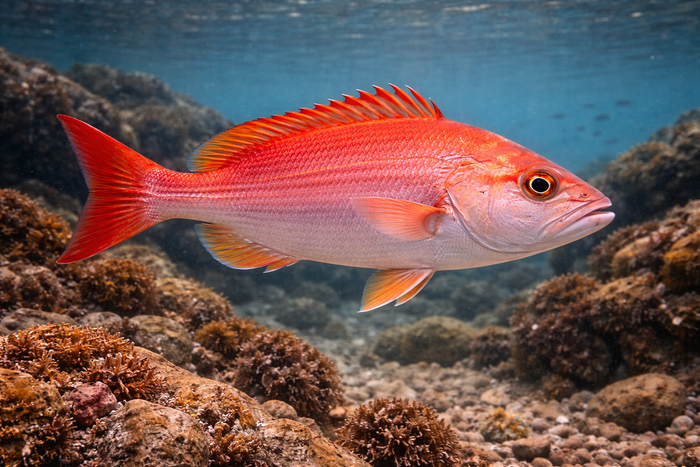
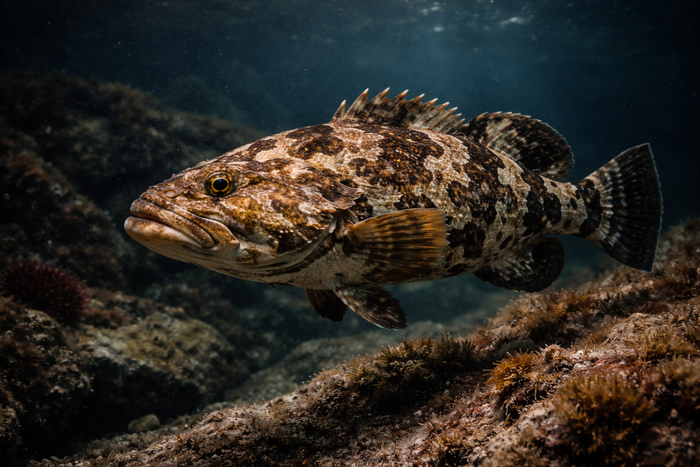
Gray Triggerfish (Balistes capriscus): The Reef’s Bold Enforcer with a Jaw You Don’t Want to Test
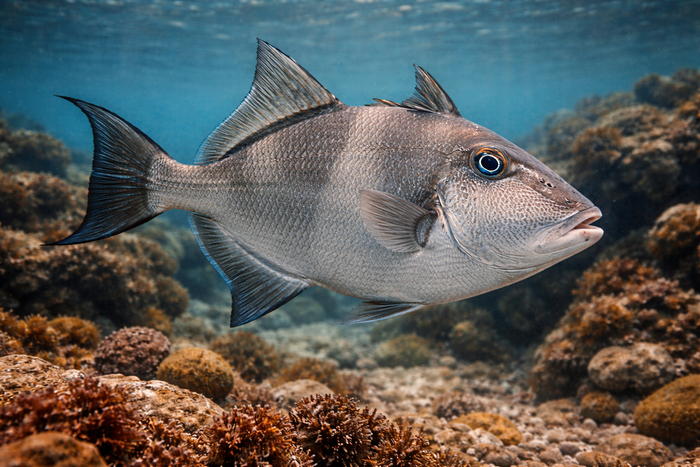
The Gray Triggerfish is no wallflower of the ocean. With a stout body armored in tough scales and a mouth built for crushing, this fish commands attention wherever it swims. Found primarily in the western Atlantic, it’s a species that blends brute strength with surprising agility. Whether you’re a diver, angler, or marine enthusiast, knowing your Gray Triggerfish facts means appreciating a fish that’s as tough as it is fascinating.
What Makes the Gray Triggerfish Unique?
Gray Triggerfish stand out for their distinctive body shape and behavior. Their name comes from the “trigger” mechanism in their dorsal fin—a locking spine that can be raised and locked in place, then “released” like a trigger. This unique fin structure helps them wedge themselves into crevices to avoid predators. It’s a built-in security system that few fish can match.
Their jaws are another highlight. Equipped with strong teeth, Gray Triggerfish can crush hard-shelled prey like sea urchins, crabs, and mollusks. This dietary specialization sets them apart from many reef fish that rely on softer prey. Their feeding habits also influence the reef ecosystem, controlling populations of potentially destructive invertebrates.
Coloration is another point of interest. While generally gray, these fish sport subtle patterns and hues that shift with age and mood. Males often display more vivid markings during breeding season, signaling dominance and readiness to mate.
Habitat & Global Range
Gray Triggerfish habitat centers around rocky reefs, wrecks, and hard-bottom areas in temperate and subtropical waters. They prefer depths ranging from shallow coastal zones down to about 130 meters. Their range extends along the western Atlantic—from Nova Scotia down to Argentina, including the Gulf of Mexico and the Caribbean Sea.
Unlike some reef fish that stick strictly to coral, Gray Triggerfish are more flexible. They thrive in mixed habitats where rocky outcrops and sandy bottoms intersect. This adaptability allows them to exploit a variety of food sources and shelter options. Understanding Gray Triggerfish habitat is key for anglers and conservationists aiming to protect these robust fish.
Behavior & Temperament
Gray Triggerfish are known for their boldness and territorial nature. They don’t shy away from confrontation, especially during spawning season when males guard nests aggressively. Divers often report that these fish will approach closely, sometimes even charging if they feel threatened.
Their feeding strategy is methodical. They use their strong jaws to break open hard prey, often flipping sea urchins or overturning rocks to expose hidden snacks. This behavior not only feeds them but also reshapes the reef environment, influencing the distribution of benthic organisms.
Socially, Gray Triggerfish are mostly solitary or found in small groups. Males establish and defend territories, while females may roam more freely. During breeding, males create nests in sandy patches and fiercely protect their eggs until they hatch, showcasing a level of parental investment uncommon in many fish species.
Ecological Importance
Gray Triggerfish play a crucial role in maintaining reef health. By preying on sea urchins and other invertebrates that can overgraze algae and coral, they help keep the ecosystem balanced. Without predators like the Gray Triggerfish, unchecked urchin populations could devastate coral reefs.
Their nesting behavior also contributes to sediment turnover, which can affect nutrient cycling in reef environments. Additionally, as prey for larger predators, they fit neatly into the food web, supporting biodiversity.
Conservation & Environmental Pressures
Despite their resilience, Gray Triggerfish face growing challenges. Overfishing is a significant threat, especially in areas where they are prized for their firm, white flesh. Their aggressive nesting behavior makes them vulnerable during spawning seasons, as they are easier to catch when guarding nests.
Habitat degradation also impacts their populations. Coastal development, pollution, and climate change-induced coral bleaching reduce the quality of their preferred habitats. Since Gray Triggerfish rely on specific reef structures for shelter and breeding, habitat loss can lead to population declines.
Efforts to manage fisheries and protect reef habitats are essential for sustaining Gray Triggerfish numbers. Marine protected areas and seasonal closures during spawning can help mitigate pressure. Understanding the nuances of Gray Triggerfish habitat and behavior is critical for effective conservation strategies.
The FishyAF Take
The Gray Triggerfish is a powerhouse of the reef world—tough, territorial, and ecologically indispensable. Its unique adaptations, from the locking dorsal spine to crushing jaws, make it a standout species that commands respect. If you’re diving or fishing in its range, knowing these Gray Triggerfish facts will give you an edge in understanding its behavior and role in the ecosystem.
This fish isn’t just another reef resident; it’s a key player in maintaining the delicate balance of marine life. Protecting the Gray Triggerfish means protecting the reefs themselves. So next time you spot one, remember you’re looking at a fish that’s as bold as it is essential.