Fluke (Paralichthys dentatus): The Flatfish That Flips the Script on Bottom-Dwellers
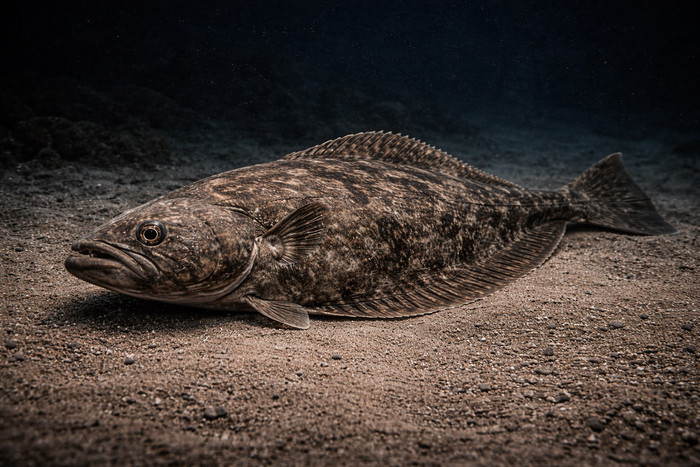
Fluke, also known as summer flounder, is the flatfish that commands attention along the Atlantic coast. This species doesn’t just blend into the background—it’s a master of camouflage and a fierce predator in its own right. With a sleek, diamond-shaped body and eyes perched on one side, the fluke challenges everything you thought you knew about bottom-dwelling fish. Whether you’re a seasoned angler or a curious marine enthusiast, understanding fluke facts is essential to appreciating this impressive flatfish.
What Makes the Fluke Unique?
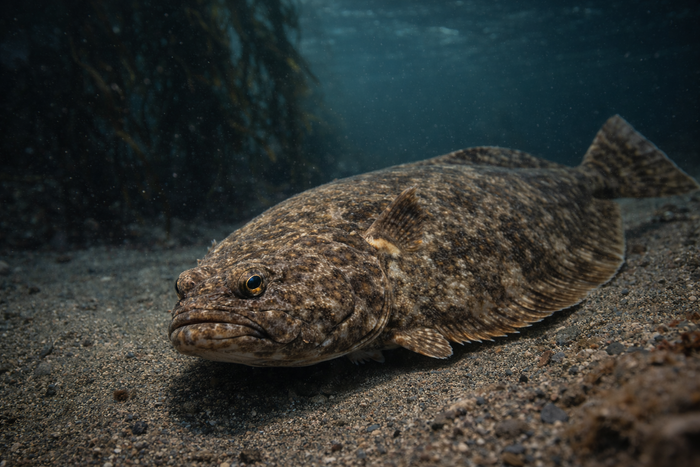
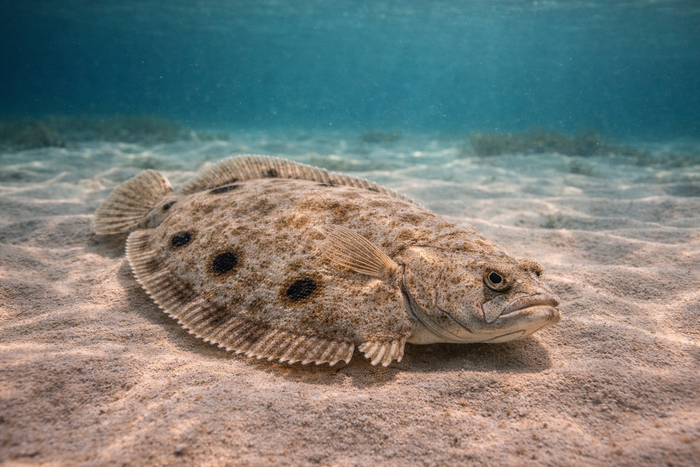
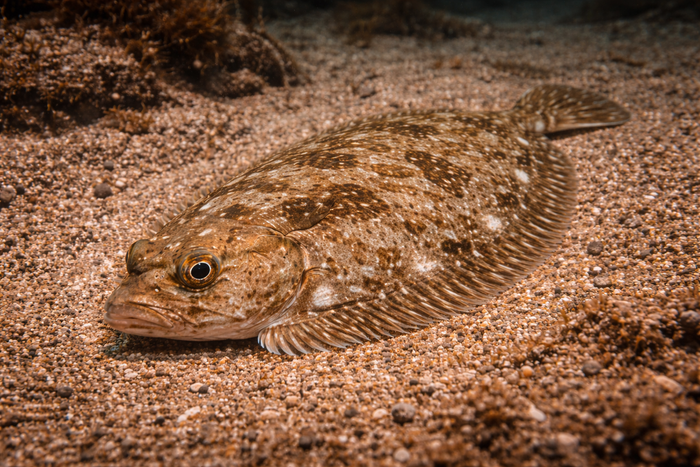
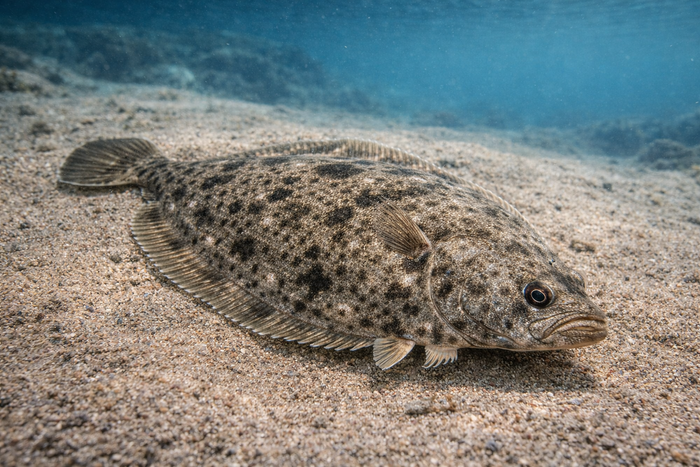
Fluke stands out in the flatfish family for several reasons. Unlike many bottom dwellers that rely solely on stealth, fluke combines camouflage with explosive speed. Its ability to change color and pattern to match the seafloor is a survival tactic that doubles as a hunting advantage. Eyes on one side of the head give it a panoramic view of the ocean floor, allowing it to spot prey and predators alike without moving a muscle.
Another standout feature is its aggressive feeding style. Fluke are ambush predators, lying in wait before lunging at unsuspecting baitfish, squid, or crustaceans. Their sharp teeth and quick reflexes make them formidable hunters. This species also exhibits sexual dimorphism, with females typically growing larger than males—a trait that influences both their reproductive strategy and fishing regulations.
Habitat & Global Range
Fluke habitat is primarily concentrated along the western Atlantic coast, stretching from Nova Scotia down to Florida. They prefer temperate waters and are most abundant from New Jersey to North Carolina. Fluke are seasonal travelers, migrating offshore during colder months and moving into shallow bays and estuaries as the water warms in spring and summer.
This species thrives in sandy or muddy bottoms where it can bury itself and remain hidden. Fluke are commonly found at depths ranging from 10 to 100 feet but can venture deeper depending on the season and water temperature. Their preference for estuarine environments during spawning season makes these areas critical for their life cycle.
Behavior & Temperament
Fluke behavior is a study in patience and precision. These fish are ambush predators that rely on stillness and camouflage rather than chasing prey. They lie flat against the seabed, waiting for the perfect moment to strike. When a meal swims by, fluke explode into action with a sudden burst of speed, snapping up their target with razor-sharp teeth.
Despite their predatory nature, fluke are not aggressive toward humans and are often wary of anglers. They exhibit territorial tendencies during spawning season, with males competing for access to females. Fluke are solitary for most of the year but can be found in loose aggregations in prime feeding grounds.
Ecological Importance
Fluke play a vital role in coastal ecosystems. As mid-level predators, they help regulate populations of smaller fish and invertebrates, maintaining balance in the food web. Their presence influences the behavior and distribution of prey species, which in turn affects the broader marine community.
Fluke also serve as prey for larger predators such as sharks, seals, and larger fish, linking multiple trophic levels. Their seasonal migrations contribute to nutrient cycling between offshore and inshore environments. Understanding fluke habitat and behavior is key to managing these ecosystems sustainably.
Conservation & Environmental Pressures
Fluke populations face several environmental pressures, primarily from overfishing and habitat degradation. Their popularity among recreational and commercial fisheries has led to strict regulations, including size limits and seasonal closures, to prevent population collapse. Despite these measures, illegal harvesting and bycatch remain concerns.
Habitat loss due to coastal development, pollution, and climate change poses additional threats. Estuarine nurseries, crucial for juvenile fluke survival, are particularly vulnerable to water quality issues and physical alteration. Rising ocean temperatures may also shift fluke distribution, potentially disrupting established ecosystems.
Ongoing conservation efforts focus on habitat protection, sustainable fishing practices, and monitoring population dynamics. Anglers and policymakers alike must stay informed about fluke facts to ensure this species remains a staple of Atlantic coastal waters.
The FishyAF Take
Fluke is no ordinary flatfish. It’s a cunning predator, a vital ecosystem player, and a prized catch that demands respect. Its unique adaptations—camouflage, eye placement, and explosive hunting tactics—make it a standout species in the crowded Atlantic seascape. But fluke’s future isn’t guaranteed. Overfishing and habitat loss threaten to tip the scales.
If you’re serious about coastal fishing or marine conservation, understanding fluke habitat and behavior is non-negotiable. This species teaches us that survival is about more than blending in—it’s about mastering your environment and knowing when to strike. Keep your knowledge sharp, your gear ready, and your conservation ethics intact. Fluke aren’t just fish; they’re a lesson in resilience and adaptation.