Southern Flounder (Paralichthys lethostigma): The Flat Fish That Flips the Script on Predators
The Southern Flounder is no ordinary flatfish. It’s a master of disguise, a stealthy ambush predator, and a key player in coastal ecosystems. Known scientifically as Paralichthys lethostigma, this species commands attention not just for its unique body shape but for its adaptability and ecological role. If you’re diving into Southern Flounder facts, prepare to meet a fish that’s as fascinating as it is flat.
What Makes the Southern Flounder Unique?
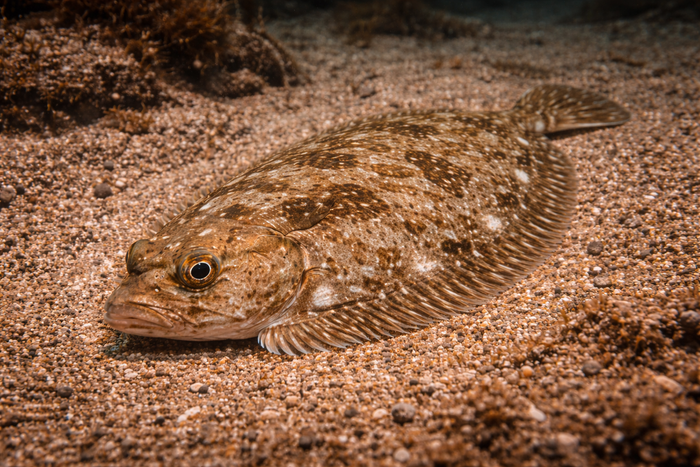
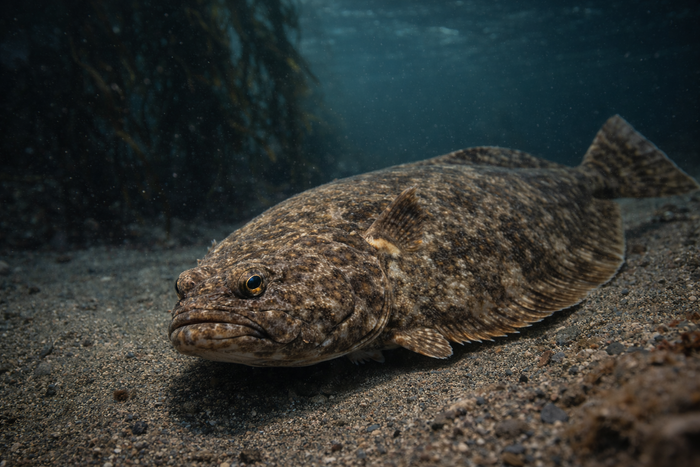
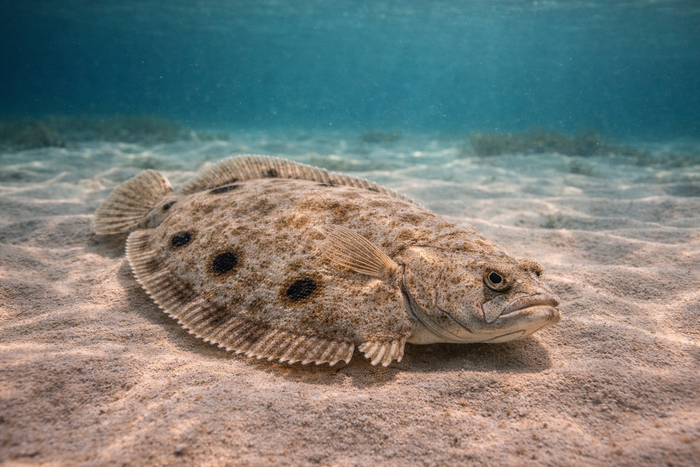
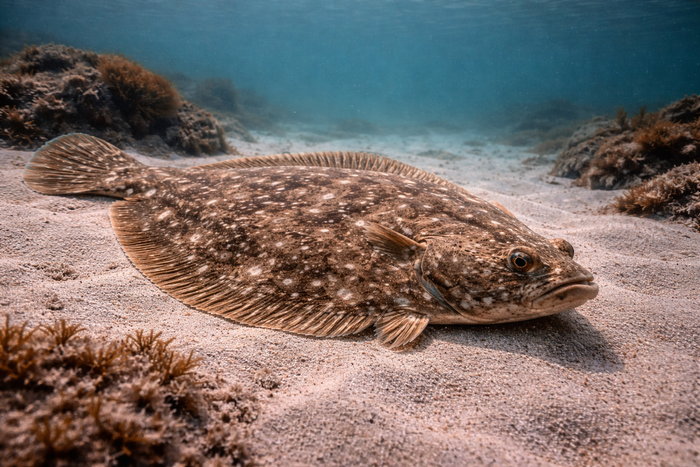
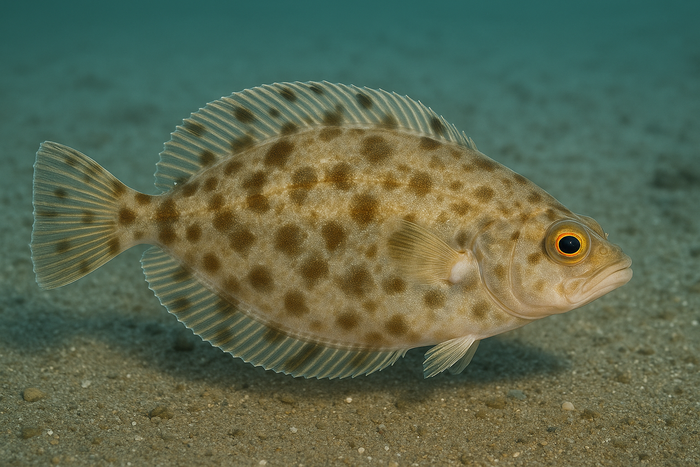
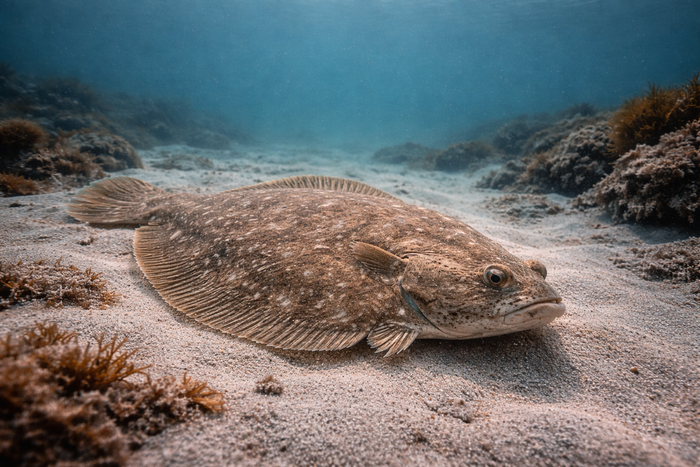
Southern Flounder stand out because of their asymmetrical, flattened bodies and both eyes positioned on the left side of their heads. This isn’t just a quirky trait—it’s a survival strategy. They lie flat on the ocean floor, blending seamlessly with sand or mud thanks to their mottled coloration, making them nearly invisible to prey and predators alike.
Unlike many fish, Southern Flounder undergo a dramatic metamorphosis during development. They start life swimming upright with an eye on each side, but as they mature, one eye migrates to join the other on the left side. This transformation allows them to live a benthic lifestyle, hugging the bottom and ambushing prey.
Their ability to change color and pattern to match their surroundings is another standout feature. This camouflage is not static; it adjusts based on the substrate and lighting, a handy trick for a bottom-dweller that relies on stealth.
Habitat & Global Range
Southern Flounder are primarily found along the southeastern coast of the United States, stretching from North Carolina down through the Gulf of Mexico and into parts of Mexico’s eastern coastline. Their Southern Flounder habitat spans estuaries, bays, and nearshore coastal waters where sandy or muddy bottoms dominate.
They thrive in brackish to marine environments, often venturing into estuaries and tidal creeks. Juveniles prefer shallower, protected waters with abundant vegetation, which provide shelter and feeding grounds. Adults move to deeper coastal waters but remain close to the bottom.
Seasonal migrations are common. Southern Flounder head offshore in colder months and return to estuaries in warmer seasons for spawning and feeding. This movement is crucial for their life cycle and influences local fisheries.
Behavior & Temperament
Southern Flounder are ambush predators with a patient hunting style. They lie motionless, buried under sediment, waiting for unsuspecting prey like shrimp, small fish, and crustaceans to wander close. When opportunity strikes, they explode from their hiding spot with lightning speed.
They’re solitary by nature, rarely seen schooling. Their temperament is low-key and defensive rather than aggressive. If threatened, they rely on camouflage and sudden bursts of speed to escape rather than confrontation.
Interestingly, Southern Flounder exhibit a degree of site fidelity, often staying within a home range unless environmental conditions force relocation. This behavior makes them predictable targets for anglers but also vulnerable to habitat disturbances.
Ecological Importance
Southern Flounder play a vital role in coastal food webs. As mid-level predators, they help regulate populations of smaller fish and invertebrates, maintaining balance in estuarine and nearshore ecosystems. Their predation influences the distribution and behavior of prey species, which can cascade through the ecosystem.
They also serve as prey for larger fish, birds, and marine mammals, linking lower and higher trophic levels. Their presence indicates healthy benthic habitats, making them a useful bioindicator species.
For commercial and recreational fisheries, Southern Flounder are economically significant. They support local economies and contribute to cultural fishing traditions along the Gulf and Atlantic coasts.
Conservation & Environmental Pressures
Southern Flounder populations face several challenges. Overfishing has historically impacted their numbers, especially given their slow growth and late maturity. Strict regulations on size limits and seasonal closures have been implemented in many areas to protect spawning stocks.
Habitat degradation poses a major threat. Coastal development, pollution, and sedimentation reduce the quality of estuaries and bays that Southern Flounder depend on for spawning and juvenile growth. Loss of submerged vegetation and increased turbidity disrupt their camouflage and feeding efficiency.
Climate change adds another layer of pressure. Rising water temperatures and altered salinity patterns can affect their migration, reproduction, and survival rates. Changes in prey availability due to shifting ecosystems also impact their feeding success.
Ongoing conservation efforts focus on habitat restoration, sustainable fishing practices, and monitoring population trends to ensure Southern Flounder remain a thriving component of coastal fisheries.
The FishyAF Take
Southern Flounder are the flatfish equivalent of a stealth ninja—silent, deadly, and perfectly adapted to their environment. Their unique biology and behavior make them a fascinating subject for anglers, scientists, and conservationists alike. Understanding Southern Flounder facts and Southern Flounder habitat is crucial for appreciating their role in coastal ecosystems and the challenges they face.
If you’re fishing for Southern Flounder, respect their habitat and follow local regulations to keep populations healthy. These fish aren’t just bottom-dwellers; they’re keystone species in a delicate ecological balance. Protecting them means protecting the broader coastal environment we all rely on.
In short, Southern Flounder are flatfish with depth—biologically, ecologically, and culturally. They deserve more than just a quick catch and release; they demand attention, respect, and smart stewardship.