California Halibut (Paralichthys californicus): The Flatfish That Owns the West Coast
The California Halibut is not your average flatfish. It’s a master of disguise and a top predator along the Pacific coast, blending stealth with power. Known for its impressive size and distinctive asymmetrical eyes, this species commands respect from anglers and marine ecologists alike. If you want to understand what makes the West Coast’s nearshore ecosystem tick, the California Halibut is a great place to start.
What Makes the California Halibut Unique?
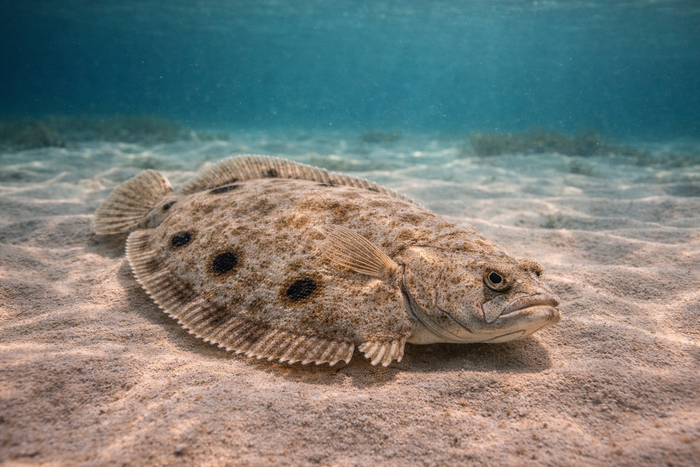
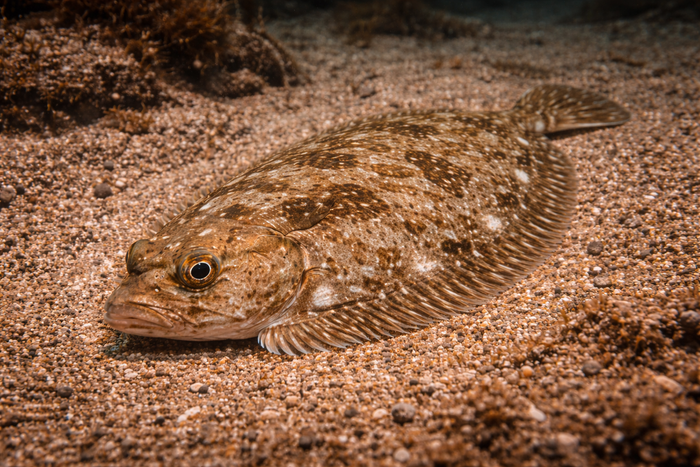
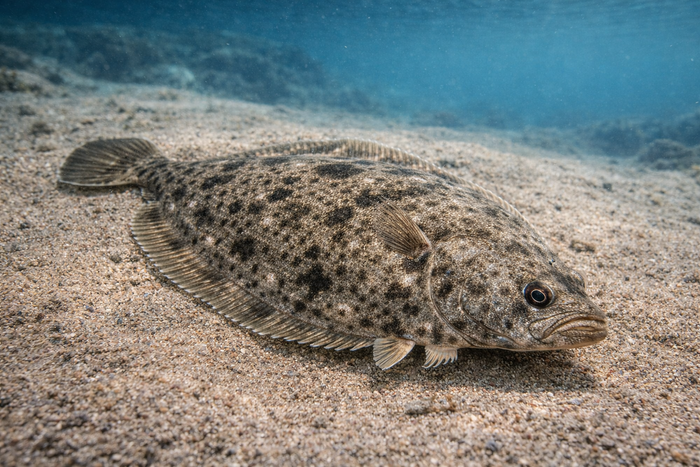
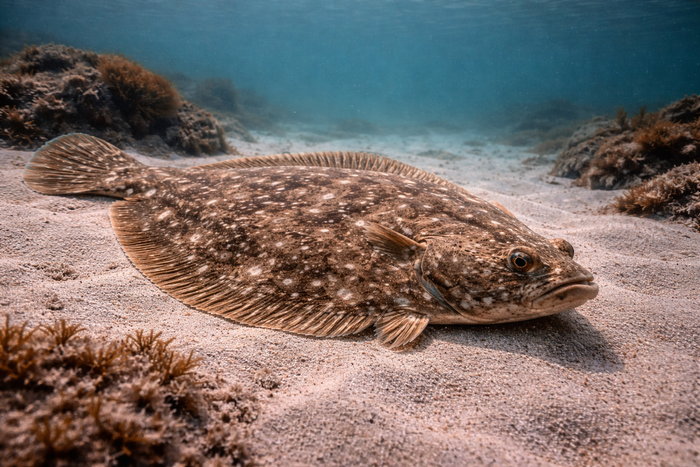
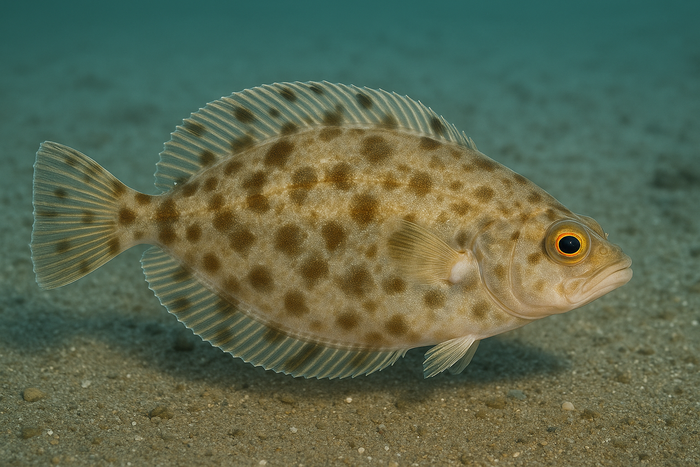
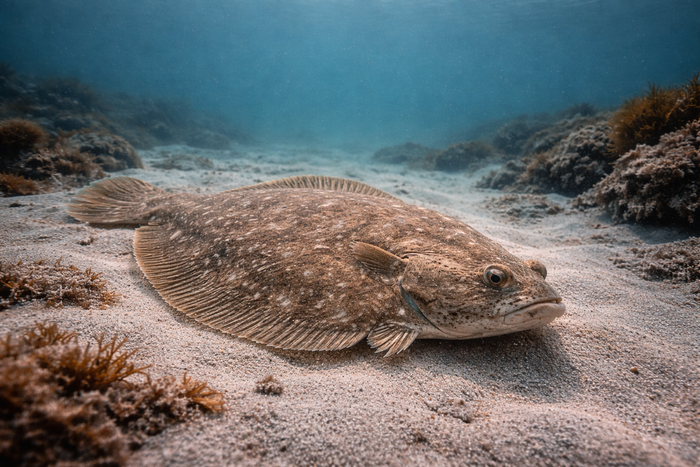
Forget the typical fish silhouette. The California Halibut flaunts a flattened, diamond-shaped body designed for life on the ocean floor. Its eyes migrate to the left side of its head during development, giving it a sideways gaze that’s both eerie and efficient. This adaptation allows it to lie flat and watch for prey while remaining nearly invisible against sandy or muddy bottoms.
Unlike many flatfish, the California Halibut can grow impressively large—up to 5 feet and over 50 pounds. Its coloration is another standout feature: mottled browns and grays that shift to match the substrate, a natural camouflage that’s part art, part science. This species is a voracious ambush predator, feeding on fish, squid, and crustaceans with lightning-fast strikes.
Habitat & Global Range
California Halibut habitat spans the eastern Pacific coastline, from Baja California up to central Oregon. They prefer shallow coastal waters, typically from the surf zone down to about 150 feet deep. Estuaries, bays, and sandy bottoms are their playgrounds. This fish thrives in temperate waters, where currents bring a steady supply of food and oxygen.
Their preference for nearshore environments means they often intersect with human activity—fishing, boating, and coastal development. Despite this, they remain a dominant species in their range, thanks to their adaptability and reproductive strategy. California Halibut facts reveal a species well-tuned to the dynamic conditions of the Pacific coast.
Behavior & Temperament
California Halibut are the ultimate sit-and-wait predators. They bury themselves in the sand with only their eyes exposed, scanning for unsuspecting prey. When a meal swims by, they explode out of the substrate with remarkable speed and precision. Their hunting style is a lesson in patience and power.
They are solitary creatures, rarely seen schooling or socializing. Their temperament is aggressive when hunting but otherwise low-key. Spawning occurs in the spring and summer, with females releasing millions of eggs into the water column. Larvae drift with currents before settling to the bottom and undergoing their characteristic eye migration.
Ecological Importance
As apex predators in their nearshore habitats, California Halibut play a crucial role in maintaining the balance of marine ecosystems. By preying on smaller fish and invertebrates, they help regulate populations and prevent any single species from dominating. This keeps the food web dynamic and resilient.
Their presence also indicates healthy coastal environments. Because they rely on clean, oxygen-rich waters and intact sandy habitats, declines in California Halibut populations often signal broader ecological problems. They are both a predator and a barometer for the health of the Pacific coastal ecosystem.
Conservation & Environmental Pressures
California Halibut face a mix of natural and human-induced challenges. Overfishing, habitat degradation, and pollution have all chipped away at their numbers in some areas. Coastal development disrupts the sandy bottoms and estuaries they depend on, while runoff and contaminants can affect their reproductive success.
Fishing regulations, including size limits and seasonal closures, aim to keep populations sustainable. However, enforcement and compliance vary. Climate change adds another layer of complexity, altering water temperatures and currents that influence their habitat and prey availability.
Protecting California Halibut habitat is critical. Efforts to preserve estuaries, reduce pollution, and manage fisheries sustainably will determine whether this species continues to thrive or slips toward decline.
The FishyAF Take
California Halibut is a standout species that deserves more attention than it gets. It’s a master of adaptation, a key player in coastal ecosystems, and a prize catch for anglers. Understanding the California Halibut facts and habitat is essential for anyone serious about West Coast marine life.
This fish isn’t just a flatfish; it’s a symbol of the Pacific’s rich biodiversity and the delicate balance that keeps it all running. If we want to keep seeing these impressive predators cruising the sandy bottoms, we need to get serious about protecting their environment. The California Halibut isn’t just surviving—it’s thriving where conditions allow. Let’s make sure it stays that way.