Winter Flounder (Pseudopleuronectes americanus): The Flatfish That Owns the Cold Atlantic Floor
If you think flatfish are just bottom-dwellers blending into the sand, meet the Winter Flounder. This species doesn’t just survive the chill of the North Atlantic—it thrives in it. Pseudopleuronectes americanus is a master of camouflage, a key player in coastal ecosystems, and a prized catch for anglers and commercial fisheries alike. Understanding Winter Flounder facts reveals a fish that’s as fascinating as it is vital to marine food webs.
What Makes the Winter Flounder Unique?
Winter Flounder stands out in the flatfish family for its remarkable adaptation to cold waters and its distinctive life cycle. Unlike many fish, it undergoes a dramatic metamorphosis: born with eyes on both sides of its head, one eye migrates to the other side as it matures, allowing it to lie flat on the ocean floor with both eyes facing upward. This eye migration is a hallmark of flatfish, but Winter Flounder’s timing and habitat preferences set it apart.
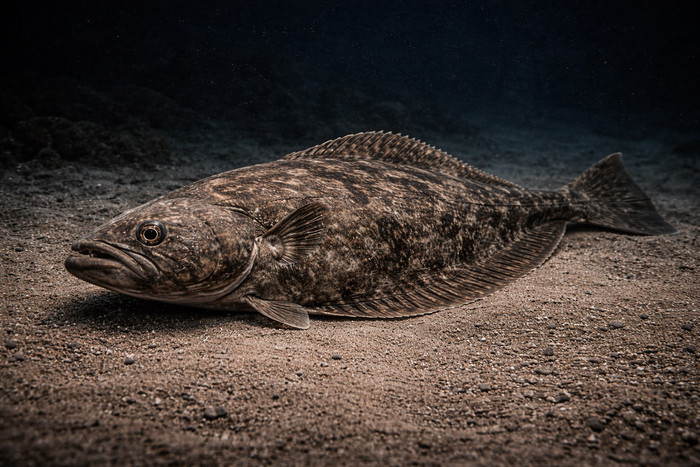
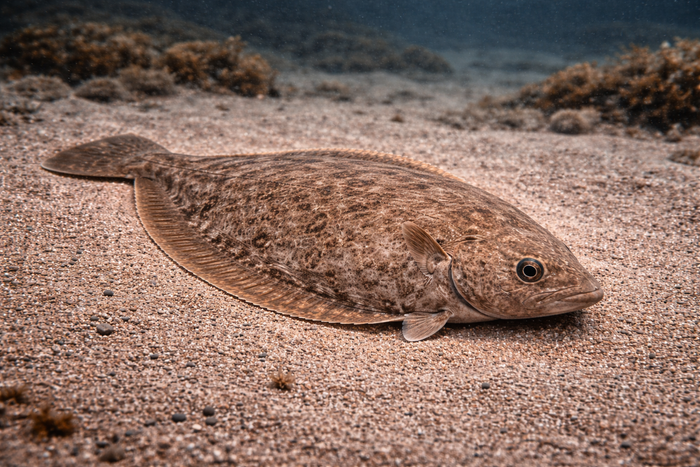
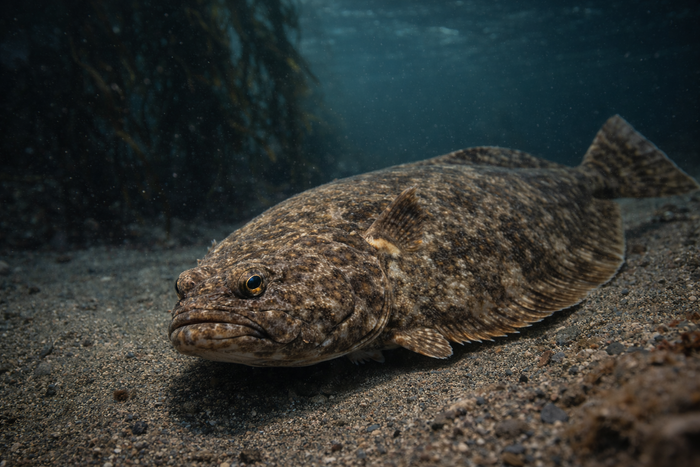
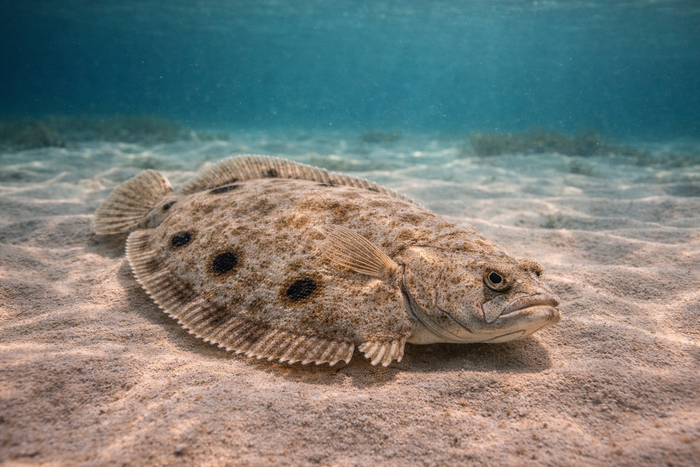
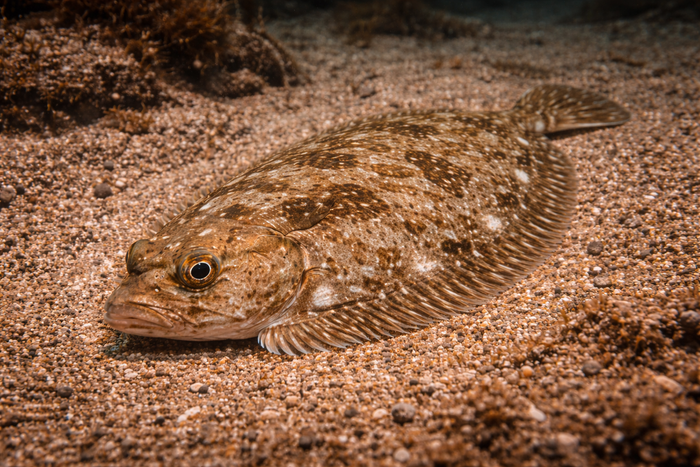
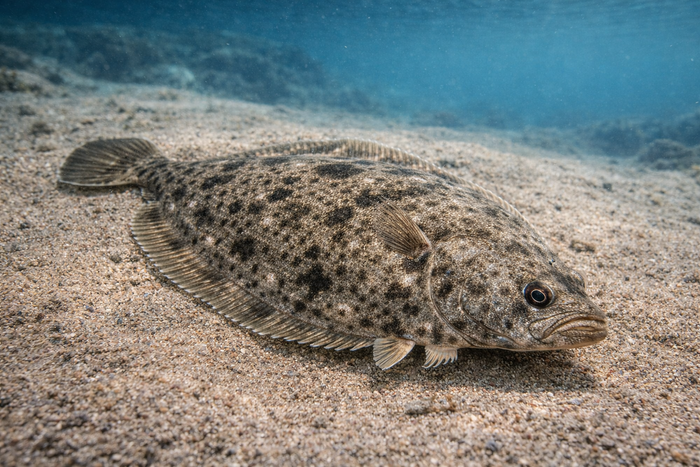
Its body is oval and flattened, perfectly designed for a benthic lifestyle. The coloration is a mottled brown with darker spots, providing excellent camouflage against sandy or muddy bottoms. This cryptic appearance isn’t just for show—it’s a survival strategy against predators and a stealth tactic for ambushing prey.
Winter Flounder also boasts a cold tolerance that lets it remain active in near-freezing waters, a trait that influences its seasonal behavior and spawning cycles. It’s a species that embraces winter rather than avoids it, hence the name.
Habitat & Global Range
Winter Flounder habitat spans the shallow coastal waters of the northwest Atlantic, from the Gulf of St. Lawrence down to North Carolina. It prefers estuaries, bays, and nearshore environments with sandy or muddy substrates. These areas provide both shelter and abundant food sources.
Seasonally, Winter Flounder migrate between deeper offshore waters in winter and shallower estuaries in spring and summer for spawning. This movement is tightly linked to water temperature and salinity gradients. The fish’s ability to tolerate a range of salinities allows it to exploit diverse habitats, including brackish waters where freshwater mixes with the ocean.
The fish’s distribution is patchy but widespread along the Atlantic coast, with local populations adapting to specific environmental conditions. This adaptability is key to its survival but also makes it sensitive to habitat degradation.
Behavior & Temperament
Winter Flounder is a classic ambush predator. It spends most of its time lying motionless on the seabed, blending seamlessly with the substrate. When prey such as small crustaceans, worms, and juvenile fish wander too close, it strikes with lightning speed.
Despite its sedentary lifestyle, Winter Flounder can be surprisingly active during spawning season, engaging in complex mating behaviors and migrations. It’s a solitary fish outside of breeding periods, showing little social interaction.
Its temperament is cautious but opportunistic. The fish relies on stealth rather than speed, making it vulnerable to habitat disturbances that reduce its ability to hide or hunt effectively.
Ecological Importance
Winter Flounder is a crucial link in coastal food webs. As a predator, it helps regulate populations of benthic invertebrates and small fish, maintaining ecological balance. Its feeding habits influence sediment dynamics and nutrient cycling on the ocean floor.
At the same time, Winter Flounder serves as prey for larger fish, marine mammals, and seabirds. Its presence supports the health of commercially important species and contributes to the biodiversity of Atlantic coastal ecosystems.
The species also plays a role in fisheries, both commercial and recreational, making it economically significant. Sustainable management of Winter Flounder populations is essential to preserve these ecological and economic benefits.
Conservation & Environmental Pressures
Winter Flounder populations have faced significant challenges over the past decades. Overfishing, habitat loss, and environmental changes have all taken their toll. Coastal development and pollution degrade estuarine habitats critical for spawning and juvenile growth.
Climate change adds another layer of complexity. Rising water temperatures and altered salinity patterns threaten to disrupt the delicate balance Winter Flounder depends on. Shifts in prey availability and increased competition from other species further stress populations.
Conservation efforts focus on habitat protection, fishing regulations, and monitoring population trends. Restoring estuarine environments and enforcing catch limits are key strategies to ensure Winter Flounder can continue to thrive in its natural range.
The FishyAF Take
Winter Flounder isn’t just another flatfish. It’s a cold-water specialist with a fascinating life story and a vital role in Atlantic coastal ecosystems. Its ability to blend into the bottom is matched only by its importance to the marine food web and fisheries.
Understanding Winter Flounder facts and habitat nuances is crucial for anyone interested in sustainable fishing or marine conservation. This species reminds us that survival in the ocean often means mastering the art of subtlety—whether through camouflage, timing, or habitat choice.
If you’re fishing the northeast coast, recognizing the Winter Flounder’s unique traits can elevate your game. And if you care about the health of our oceans, supporting efforts to protect this species is a no-brainer. The Winter Flounder is a resilient fish, but it’s not invincible. It deserves our attention and respect.