Pacific Halibut (Hippoglossus stenolepis): The Ocean’s Flat-Top Predator That Commands Respect
The Pacific Halibut isn’t just another flatfish lurking on the ocean floor. It’s a heavyweight contender in the marine world, known for its impressive size, cunning hunting tactics, and vital role in northern Pacific ecosystems. If you’re after solid Pacific Halibut facts, you’re about to dive deep into what makes this species a true titan beneath the waves.
What Makes the Pacific Halibut Unique?
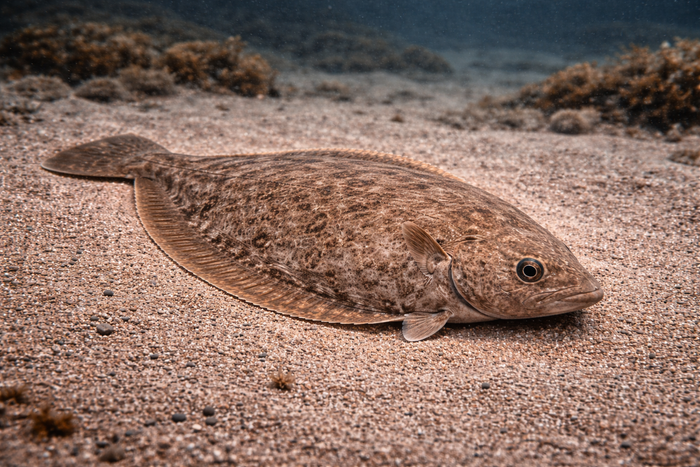
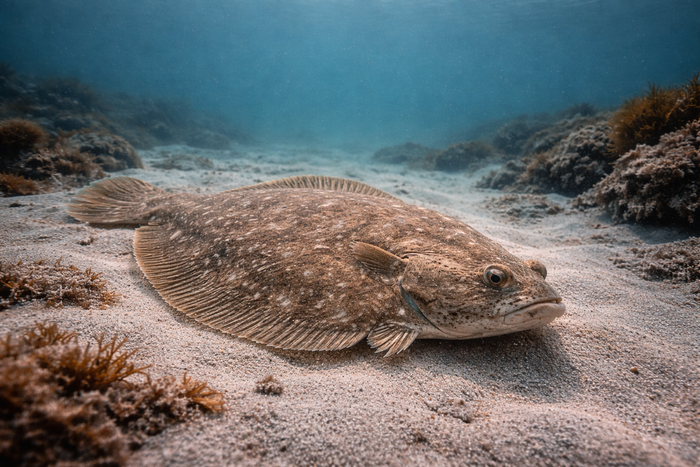
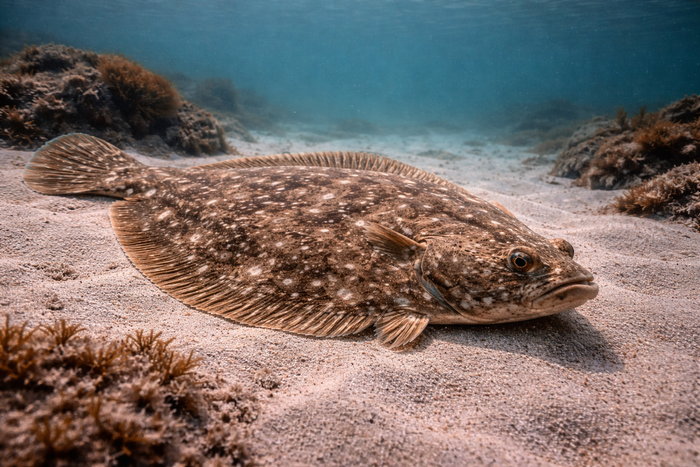
First off, the Pacific Halibut is the largest flatfish on the planet, growing up to 8 feet long and tipping the scales at over 500 pounds. But size isn’t the only thing that sets it apart. Unlike many fish, the Pacific Halibut undergoes a remarkable transformation early in life: it starts out symmetrical, swimming upright like any other fish, but as it matures, one eye migrates to the other side of its head. This adaptation turns it into a flat, bottom-dwelling predator perfectly camouflaged against the seafloor.
Its body is a masterclass in stealth and power. The dark, mottled upper side blends seamlessly with the ocean bottom, while the pale underside faces the water column. This flat profile allows it to lie in wait for prey, striking with lightning speed. Its diet is as diverse as its habitat, ranging from smaller fish to crabs and octopus, making it a versatile predator.
Habitat & Global Range
The Pacific Halibut’s habitat is a cold-water specialist’s dream. It thrives in the northern Pacific Ocean, from the Bering Sea off Alaska down to the waters off California. This species prefers continental shelf areas with sandy or muddy bottoms, typically at depths between 100 and 1,200 feet. The Pacific Halibut habitat is defined by cold, nutrient-rich waters that support a robust food web.
Seasonal migrations are part of its life cycle. During spawning season, Pacific Halibut move to deeper offshore waters, while juveniles and adults occupy shallower coastal zones for feeding. This dynamic range means the fish experiences a variety of oceanic conditions, from icy depths to relatively warmer coastal shelves.
Behavior & Temperament
Don’t let the laid-back, bottom-hugging lifestyle fool you. The Pacific Halibut is a patient and efficient hunter. It’s an ambush predator, relying on camouflage and sudden bursts of speed rather than endurance. It can lie motionless for long periods, waiting for the perfect moment to snap up unsuspecting prey.
Despite its size and power, the Pacific Halibut is generally solitary. It doesn’t school like many other fish species. This solitary nature reduces competition for food and space, but it also means encounters with others happen mostly during spawning.
Temperament-wise, it’s not aggressive toward humans but will put up a fight if hooked, making it a prized catch for anglers. Its strength and stamina make landing one a serious challenge, which only adds to its legendary status in sport fishing circles.
Ecological Importance
The Pacific Halibut plays a crucial role in maintaining the balance of its marine ecosystem. As a top predator on the continental shelf, it regulates populations of smaller fish and invertebrates, preventing any one species from dominating the benthic community.
Its feeding habits help recycle nutrients within the ocean floor environment, influencing the structure and health of benthic habitats. Moreover, Pacific Halibut serve as prey for larger marine mammals and sharks, linking different trophic levels in the food web.
The species also supports significant commercial and recreational fisheries, contributing to coastal economies and food security. Its presence indicates a healthy, functioning ecosystem, making it a valuable bioindicator for marine scientists.
Conservation & Environmental Pressures
Despite its robust size and range, the Pacific Halibut faces several environmental pressures. Overfishing has historically been a concern, given its high demand in commercial markets and sport fishing. Strict management measures, including quotas and size limits, have been implemented to prevent population collapse, but vigilance remains essential.
Climate change poses a growing threat. Rising ocean temperatures and acidification can disrupt the Pacific Halibut habitat, affecting spawning success and prey availability. Changes in ocean currents may also alter migration patterns, complicating conservation efforts.
Habitat degradation from bottom trawling and pollution further stresses populations. Protecting critical spawning and nursery grounds is vital to sustaining healthy numbers. The species’ slow growth and late maturity mean recovery from overexploitation can be slow, underscoring the need for responsible fishing practices.
The FishyAF Take
The Pacific Halibut is the kind of fish that demands respect. It’s a powerhouse predator with a fascinating life history and a key player in northern Pacific ecosystems. For anglers, it’s a trophy catch that tests skill and patience. For conservationists, it’s a species that embodies the challenges of balancing human use with ecological sustainability.
Understanding Pacific Halibut facts and habitat isn’t just trivia—it’s the foundation for protecting this marine giant. Its survival hinges on smart management and awareness of environmental changes. Keep this fish on your radar, whether you’re casting a line or charting the future of ocean health. The Pacific Halibut isn’t just part of the ocean’s story; it’s a headline act.