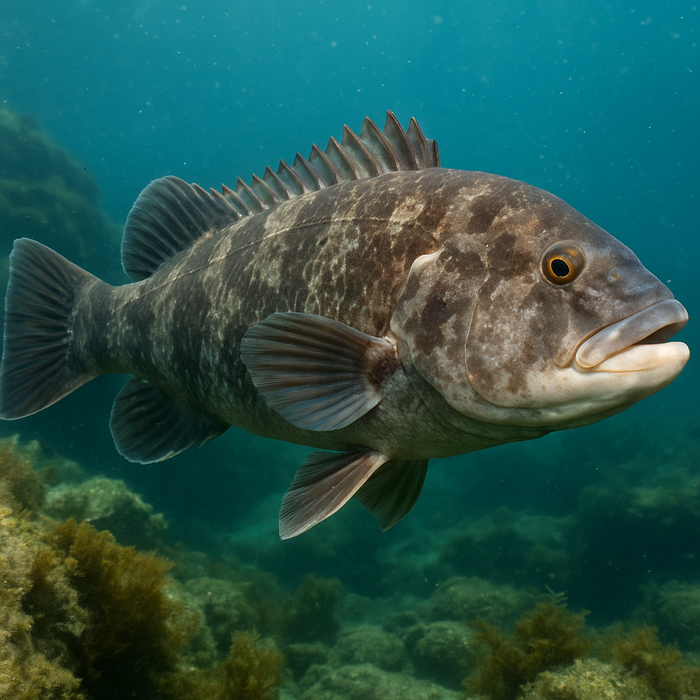
Monkfish (Lophius americanus): The Ocean’s Ambush Artist with a Face You Won’t Forget
Monkfish, scientifically known as Lophius americanus, are the underwater equivalent of a horror movie villain—ugly, relentless, and surprisingly effective. These bottom-dwelling predators have earned a notorious reputation not just for their grotesque appearance but for their cunning hunting tactics. If you think fish are all about sleek bodies and flashy colors, think again. Monkfish break the mold with a design that screams function over form, making them one of the most fascinating species in the Atlantic Ocean.
What Makes the Monkfish Unique?
Monkfish are the masters of disguise and deception. Their flattened, broad heads and enormous mouths lined with sharp teeth are built for one thing: swallowing prey whole. The real kicker is their built-in fishing rod—a modified dorsal spine called an illicium that dangles a fleshy lure (the esca) right in front of their mouths. This biological fishing pole wiggles to attract curious fish, bringing dinner straight to their doorstep.
Unlike most fish that chase prey, monkfish lie in wait, buried in sediment with only their lure visible. When an unsuspecting victim approaches, the monkfish snaps its jaws shut with lightning speed. This ambush strategy is so effective that it can catch prey larger than itself. Their ability to blend into the ocean floor and use a built-in lure makes monkfish a standout predator in the marine world.
Habitat & Global Range
Monkfish habitat spans the cold and temperate waters of the northwest Atlantic, from the shallow coastal zones down to depths exceeding 1,000 feet. They prefer muddy or sandy bottoms where they can easily bury themselves and remain hidden. Their range extends from the Gulf of St. Lawrence in Canada down to North Carolina in the United States.
This benthic lifestyle means monkfish are rarely seen swimming in open water. Instead, they stick close to the ocean floor, where their camouflage and hunting strategy work best. The Monkfish habitat is a perfect blend of cold temperatures and soft substrates, allowing them to thrive in environments that many other predators avoid.
Behavior & Temperament
Monkfish behavior is all about patience and precision. They are solitary hunters, rarely interacting with others except during the breeding season. Their temperament is as cold as the waters they inhabit—slow-moving, deliberate, and utterly ruthless when it comes to feeding.
They don’t waste energy chasing prey. Instead, they rely on their lure to bring food to them. When a fish or crustacean takes the bait, the monkfish’s jaw snaps forward in a fraction of a second, creating a vacuum that sucks the prey inside. This ambush tactic is a textbook example of energy-efficient hunting.
Despite their fearsome appearance, monkfish are not aggressive toward humans. They pose no threat unless provoked or handled improperly. Their spiny fins can cause injury, so caution is advised when fishing or handling them.
Ecological Importance
Monkfish play a crucial role in their ecosystem as mid-level predators. By preying on a variety of fish and invertebrates, they help maintain the balance of species populations on the ocean floor. This keeps the benthic community healthy and diverse.
Their position in the food web also makes them prey for larger predators like sharks and seals. This dual role as both predator and prey underscores their importance in the marine food chain.
Additionally, monkfish contribute to nutrient cycling. By consuming prey and excreting waste, they help redistribute nutrients within the benthic environment, supporting the productivity of the ocean floor.
Conservation & Environmental Pressures
Monkfish have faced increasing pressure from commercial fishing due to their firm, mild-flavored flesh, often marketed as “poor man’s lobster.” This demand has led to targeted fisheries, which can impact local populations if not managed properly.
Overfishing is a significant concern, especially since monkfish have relatively slow growth rates and late maturity. This makes them vulnerable to population declines if fishing quotas are not carefully regulated.
Habitat degradation from bottom trawling also threatens monkfish habitat. The destruction of the ocean floor disrupts the sediment and benthic communities monkfish rely on for camouflage and hunting.
Current conservation efforts focus on sustainable fishing practices, including catch limits and seasonal closures, to allow populations to recover. Monitoring monkfish habitat health is equally important to ensure these predators continue to thrive.
The FishyAF Take
Monkfish are the perfect example of nature’s brutal efficiency wrapped in a package that’s anything but pretty. Their unique hunting adaptations and benthic lifestyle make them a fascinating subject for anyone interested in marine biology or fishing.
Understanding monkfish facts and their habitat is essential not just for appreciating their role in the ocean but for managing their populations responsibly. They remind us that survival in the wild isn’t about looking good—it’s about being effective. And monkfish? They’re damn good at it.
If you’re into fishing or just curious about the ocean’s weirder residents, monkfish deserve a spot on your radar. They’re a bold, memorable species that prove sometimes the ugliest fish are the most interesting.