Largeye Dentex (Dentex macrophthalmus): The Big-Eyed Predator That Owns the Mediterranean Depths
Meet the Largeye Dentex, a striking member of the Sparidae family that commands attention with its oversized eyes and robust frame. This fish isn’t just another face in the crowd—it’s a top-tier predator with a presence that’s hard to ignore. Known scientifically as Dentex macrophthalmus, the Largeye Dentex blends power and precision in a way that makes it a fascinating subject for anglers and marine biologists alike. If you’re diving into Largeye Dentex facts, prepare for a deep dive into a species that’s as bold as it is elusive.
What Makes the Largeye Dentex Unique?
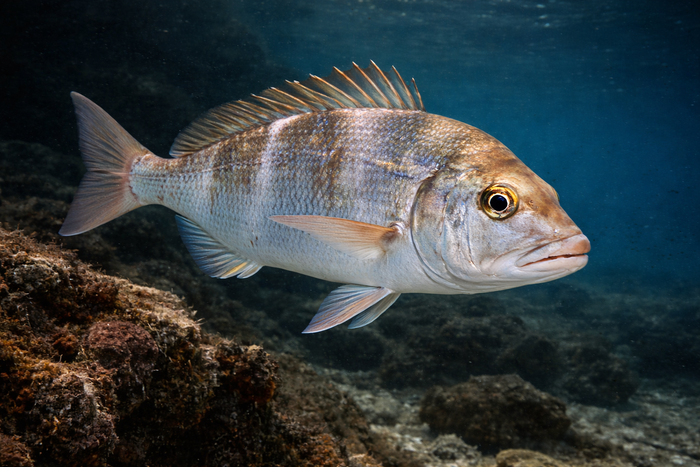
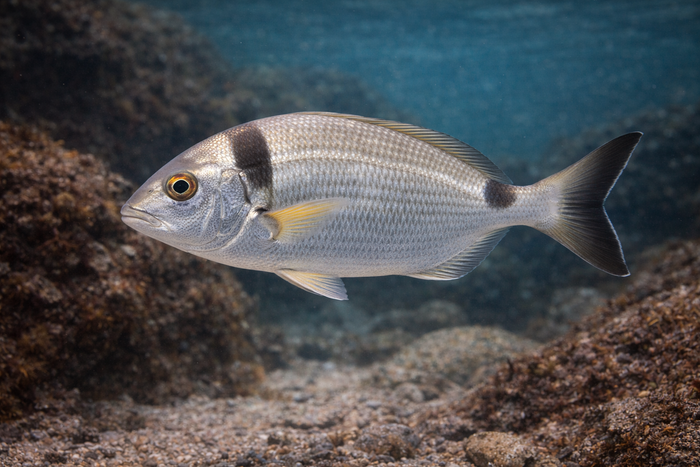
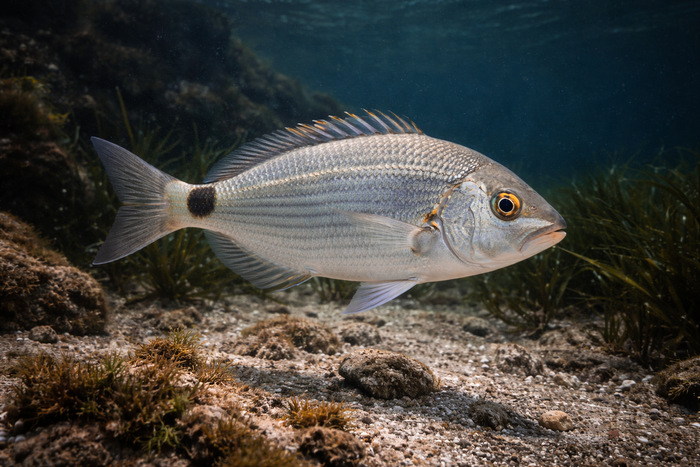
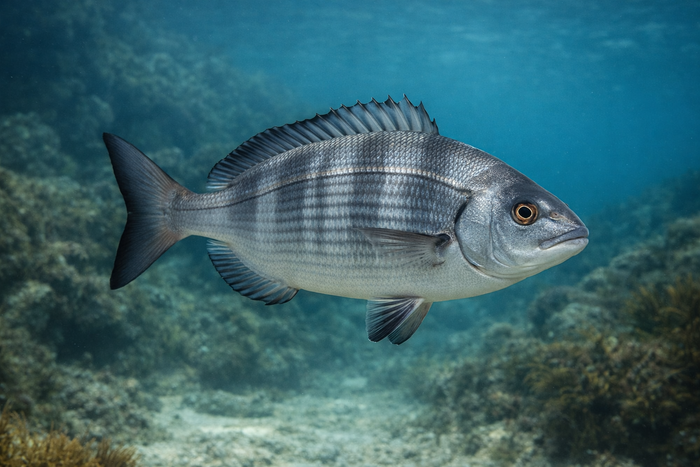
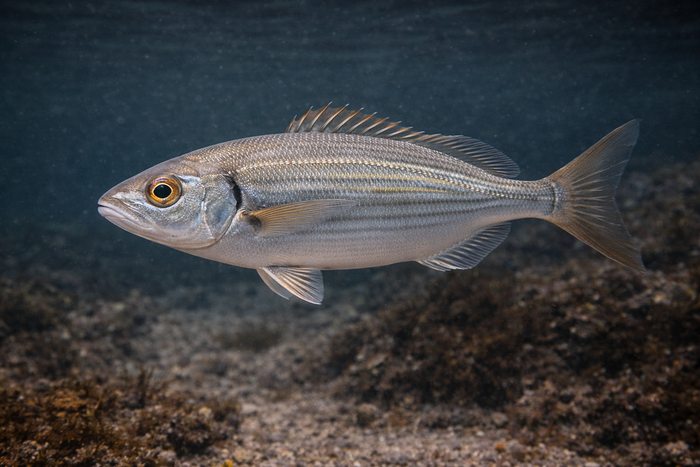
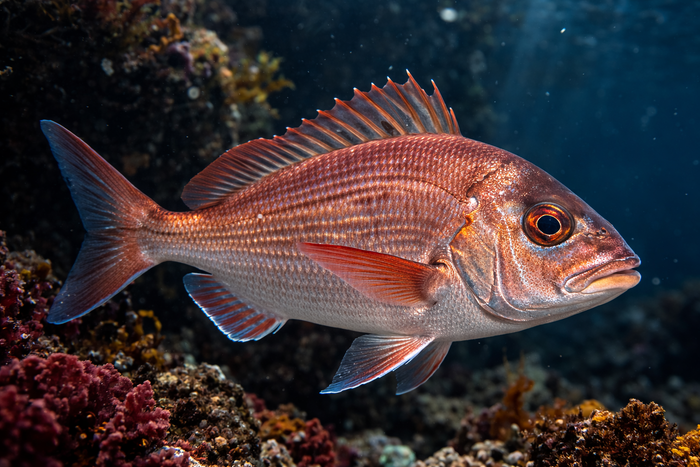
The standout feature of the Largeye Dentex is, unsurprisingly, its disproportionately large eyes. These aren’t just for show; they’re a crucial adaptation for hunting in the dimly lit depths where this fish thrives. The oversized eyes enhance its vision, allowing it to detect prey in low-light conditions that would leave other predators blind. Beyond its ocular advantage, the Largeye Dentex sports a powerful jaw lined with sharp teeth designed to grasp slippery prey with ease.
Its body is robust and streamlined, built for bursts of speed rather than long chases. This fish is a classic ambush predator, relying on stealth and sudden strikes. Unlike some of its more colorful cousins in the Sparidae family, the Largeye Dentex tends to have a muted, silvery-grey coloration that helps it blend into the rocky seabeds and deeper waters it calls home.
Habitat & Global Range
The Largeye Dentex is primarily a Mediterranean resident, with a range extending into parts of the eastern Atlantic Ocean. Its preferred Largeye Dentex habitat is characterized by rocky bottoms, reefs, and underwater cliffs, typically at depths ranging from 50 to 400 meters. This depth preference aligns perfectly with its large eyes, which are optimized for the low-light environment of the continental shelf and upper slope zones.
While it’s not a shallow-water dweller, the Largeye Dentex occasionally ventures into shallower coastal areas, especially during feeding or spawning seasons. Its distribution is patchy but consistent throughout the Mediterranean basin, from the western reaches near Spain and France to the eastern shores of Greece and Turkey.
Behavior & Temperament
The Largeye Dentex is a solitary hunter, rarely seen in schools or large groups. Its behavior is marked by patience and precision. It often lies in wait near rocky outcrops or reef structures, using its camouflage and keen eyesight to ambush unsuspecting prey. When it strikes, it’s a swift, calculated attack aimed at smaller fish, cephalopods, and crustaceans.
Despite its predatory nature, the Largeye Dentex is not aggressive toward divers or humans unless provoked. It’s a cautious fish, quick to retreat into crevices or deeper waters if disturbed. This cautious temperament, combined with its deep-water preference, makes encounters with Largeye Dentex relatively rare and prized among anglers and underwater photographers.
Ecological Importance
As a mid-level predator, the Largeye Dentex plays a vital role in maintaining the balance of its marine ecosystem. By preying on smaller fish and invertebrates, it helps regulate populations that might otherwise explode and disrupt the local food web. Its presence indicates a healthy, functioning ecosystem, particularly in the Mediterranean’s complex reef and rocky bottom habitats.
Furthermore, the Largeye Dentex serves as prey for larger predatory fish and marine mammals, linking multiple trophic levels. Its role is a classic example of the interconnectedness of marine life, where each species contributes to the overall stability and diversity of the environment.
Conservation & Environmental Pressures
The Largeye Dentex faces several environmental pressures that threaten its populations. Overfishing is a significant concern, especially in regions where it is targeted for sport and commercial fishing. Its slow growth and late maturity make it particularly vulnerable to overexploitation. By the time these fish reach reproductive age, many have already been caught, leading to declining numbers.
Habitat degradation also poses a threat. Coastal development, pollution, and destructive fishing practices damage the rocky reefs and seabeds that the Largeye Dentex depends on. Climate change adds another layer of complexity, potentially altering water temperatures and oxygen levels in ways that could impact its preferred habitat.
Conservation efforts are underway in some Mediterranean countries, focusing on fishing regulations, protected areas, and habitat restoration. However, the Largeye Dentex remains a species that requires ongoing monitoring and management to ensure its survival.
The FishyAF Take
The Largeye Dentex is a prime example of how evolution tailors species to their environments with precision and flair. Its oversized eyes are not just a quirky trait—they’re a window into the deep, dimly lit world it dominates. For anglers and marine enthusiasts, the Largeye Dentex offers a challenging and rewarding encounter, a reminder that the ocean still holds mysteries and marvels beneath its surface.
Understanding Largeye Dentex facts and habitat is crucial for appreciating the delicate balance of Mediterranean marine ecosystems. This fish is more than just a predator; it’s a keystone species that reflects the health of its environment. Protecting the Largeye Dentex means protecting the intricate web of life that depends on these underwater landscapes.
In short, the Largeye Dentex is a bold, memorable player in the Mediterranean’s underwater drama. It demands respect, not just for its striking appearance but for its vital role in the ocean’s complex ecosystem. Keep an eye out for this big-eyed hunter next time you explore the depths—it’s a fish that refuses to be forgotten.