Witch Flounder (Glyptocephalus cynoglossus): The Flatfish That Owns the Deep with Stealth and Style
The Witch Flounder is not your average bottom-dweller. This flatfish, scientifically known as Glyptocephalus cynoglossus, commands attention beneath the waves with its sleek, asymmetrical body and subtle yet effective camouflage. Often overshadowed by flashier marine species, the Witch Flounder is a master of survival in cold, deep waters. Understanding this species reveals a fascinating blend of evolutionary finesse and ecological significance that’s worth every angler’s and marine enthusiast’s attention.
What Makes the Witch Flounder Unique?
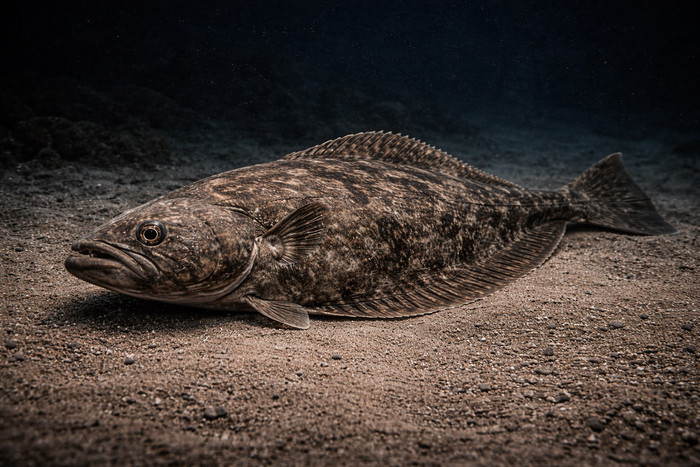
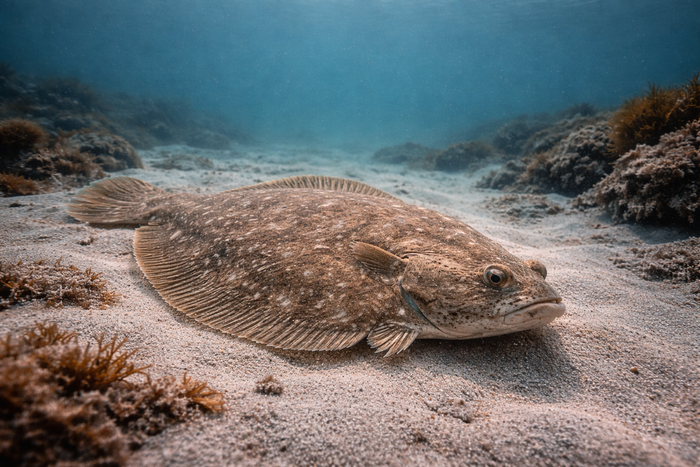
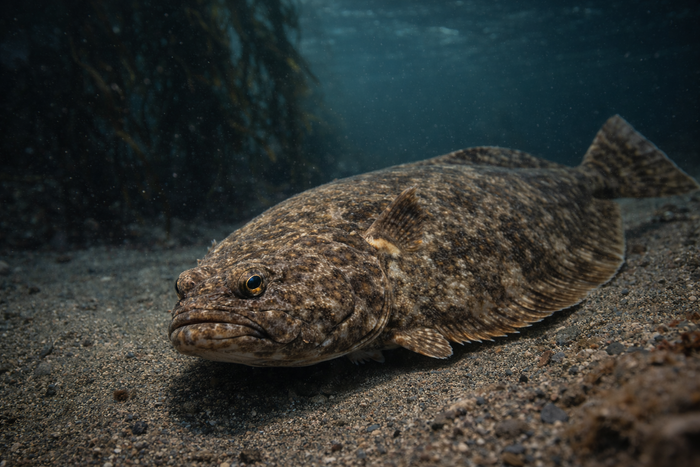
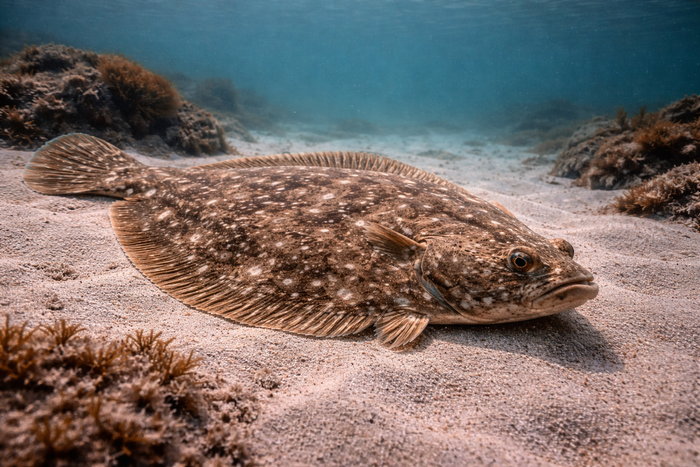
The Witch Flounder stands out in the flatfish family for several reasons. First, its body shape is a textbook example of evolutionary specialization. Unlike many flatfish that lie on their right side, the Witch Flounder rests on its left, with both eyes positioned on the right side of its head. This inversion is more than a quirky trait; it optimizes its ability to blend into the seafloor and ambush prey.
Its skin texture and coloration are another standout feature. The Witch Flounder sports a mottled pattern of browns and grays, perfectly mimicking the muddy or sandy substrates it calls home. This camouflage isn’t just for show—it’s a critical survival tool that helps it avoid predators and sneak up on unsuspecting prey.
Additionally, the Witch Flounder’s diet and feeding strategy are finely tuned to its environment. It preys primarily on small invertebrates and fish, using a combination of stealth and quick strikes. Its mouth is positioned to scoop up prey from the sediment, demonstrating a specialized adaptation for bottom feeding.
Habitat & Global Range
When it comes to Witch Flounder habitat, think cold, deep, and expansive. This species thrives in the North Atlantic Ocean, ranging from the icy waters off Greenland and Iceland down to the northeastern coasts of the United States and Canada. It prefers depths between 100 and 700 meters, often settling on muddy or sandy bottoms where it can remain concealed.
The Witch Flounder’s preference for colder waters is no accident. Its physiology is adapted to withstand low temperatures and high pressures, making it a true denizen of the deep. This habitat choice also means it plays a unique role in benthic ecosystems, occupying niches that many other fish avoid.
Behavior & Temperament
The Witch Flounder is a classic ambush predator. It spends most of its time lying flat against the ocean floor, motionless and invisible. When prey ventures close enough, it strikes with lightning speed. This patient hunting style is energy-efficient and effective in the low-light conditions of its deepwater environment.
Despite its name, the Witch Flounder is not aggressive toward humans or other large animals. It’s a shy, elusive species that prefers to avoid confrontation. Its temperament is best described as cautious and reserved, traits that have helped it survive in a habitat where danger lurks from above and below.
Ecological Importance
Witch Flounder facts reveal a species that plays a vital role in marine ecosystems. As a mid-level predator, it helps regulate populations of smaller fish and invertebrates, maintaining balance on the seafloor. Its feeding habits contribute to nutrient cycling by disturbing sediments and promoting the breakdown of organic material.
Moreover, the Witch Flounder serves as prey for larger fish, marine mammals, and seabirds, linking different levels of the food web. Its presence indicates a healthy benthic environment, making it an important species for monitoring ecosystem health.
Conservation & Environmental Pressures
While not currently classified as endangered, the Witch Flounder faces several environmental pressures. Overfishing is a concern in some parts of its range, as it is caught both commercially and as bycatch. Its slow growth rate and late maturity make it vulnerable to population declines if fishing is not managed carefully.
Habitat degradation is another threat. Bottom trawling and other destructive fishing practices can damage the Witch Flounder’s preferred muddy and sandy substrates, disrupting its habitat and food sources. Climate change also poses risks by altering water temperatures and ocean chemistry, potentially shifting its habitat range and affecting reproductive success.
Effective conservation strategies require a combination of sustainable fishing regulations, habitat protection, and ongoing research to track population trends and environmental changes.
The FishyAF Take
The Witch Flounder is a prime example of how subtlety and specialization can dominate the deep-sea game. It’s not flashy or aggressive, but it’s a survivor built for stealth and efficiency. For anglers and marine biologists alike, understanding Witch Flounder facts and habitat is crucial to appreciating the complexity of benthic ecosystems and the delicate balance they maintain.
If you’re diving into the world of flatfish or exploring North Atlantic marine life, don’t overlook the Witch Flounder. It’s a species that commands respect through quiet mastery rather than showy displays. Keep an eye on conservation efforts because this unassuming fish is a key player in ocean health, and its future depends on how we manage our impact on the deep.