Lumpsucker (Cyclopterus lumpus): The Ball of Bumps That Sticks Like Glue
Meet the lumpsucker, a fish that looks like it was designed by a committee of underwater oddballs. With a rotund body covered in wart-like bumps and a sucker disc where its pelvic fins should be, this species defies conventional fish aesthetics. But don’t let its goofy appearance fool you. The lumpsucker is a fascinating creature with some seriously unique adaptations that make it a standout in cold northern waters. If you’re after lumpsucker facts that go beyond the surface, you’re in the right place.
What Makes the Lumpsucker Unique?
The lumpsucker’s most defining feature is its modified pelvic fins, which form a powerful suction disc. This biological suction cup allows the fish to cling tenaciously to rocks, kelp, or any hard surface in turbulent waters. Imagine a fish that can park itself firmly on a boulder while waves crash around it—that’s the lumpsucker’s daily grind.
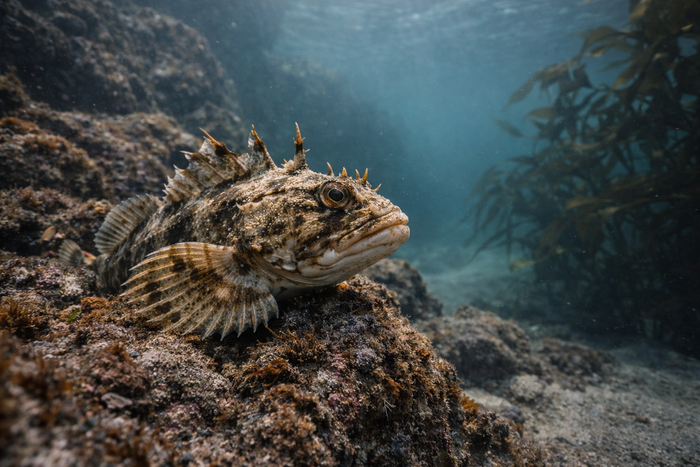
Its body is covered in bumpy, knobby tubercles, giving it a rough texture that likely helps with camouflage and protection. Unlike most fish, lumpsuckers lack a swim bladder, so they aren’t built for long-distance swimming or speed. Instead, they rely on their stout, rounded bodies and suction ability to stay put in their preferred habitats.
Sexual dimorphism is another lumpsucker quirk. Males develop bright orange coloration and larger tubercles during breeding season, turning them into underwater neon signs to attract females. They also take on the role of dedicated dads, guarding the eggs with fierce vigilance until they hatch.
Habitat & Global Range
Lumpsucker habitat is firmly rooted in cold, northern waters. They are native to the North Atlantic Ocean, ranging from the eastern coast of North America across to northern Europe and the Arctic. You’ll find them from shallow coastal zones down to depths of around 300 meters, often sticking close to rocky substrates, kelp forests, and seaweed beds.
These fish thrive in cold temperatures, typically between 2 and 10 degrees Celsius. Their preference for rugged, rocky environments with strong currents is no accident. The suction disc is perfectly suited to these conditions, allowing lumpsuckers to anchor themselves in places where other fish might get swept away.
Behavior & Temperament
Lumpsuckers are not your typical fast-moving, darting fish. They are slow, deliberate, and built for sticking rather than swimming. Their suction disc is their primary tool for survival, enabling them to resist strong currents and avoid being dislodged by predators or rough seas.
During breeding season, males become territorial and highly protective. They select a suitable nesting site on the seafloor, clean it meticulously, and then guard the clutch of eggs laid by females. This paternal care is intense; males will fan the eggs to provide oxygen and fend off intruders until the eggs hatch.
Outside of breeding, lumpsuckers tend to be solitary or found in small groups. They feed primarily on small invertebrates like crustaceans, mollusks, and worms, using their small mouths to pick prey off rocks and seaweed.
Ecological Importance
Lumpsuckers play a subtle but important role in their ecosystems. As benthic feeders, they help control populations of small invertebrates, contributing to the balance of the sea floor community. Their eggs and juveniles serve as prey for larger fish and seabirds, making them a vital link in the northern marine food web.
In commercial terms, lumpsuckers have gained attention for their roe, which is harvested as a caviar substitute. This has increased their economic value but also raised concerns about sustainable harvesting practices.
Conservation & Environmental Pressures
Despite their hardy appearance, lumpsuckers face several environmental pressures. Overfishing, particularly for their roe, has led to localized population declines. Habitat degradation from coastal development and pollution also threatens their rocky, kelp-rich environments.
Climate change poses a long-term risk by altering the cold-water habitats lumpsuckers depend on. Rising sea temperatures and ocean acidification could disrupt their breeding cycles and food availability.
Some regions have implemented management measures to regulate lumpsucker fisheries and protect critical habitats. However, ongoing monitoring and conservation efforts are essential to ensure this quirky fish doesn’t slip under the radar.
The FishyAF Take
The lumpsucker is a masterclass in evolutionary specialization. It’s not flashy or fast, but it’s perfectly adapted to a niche that demands sticking power and parental dedication. Its suction disc is one of the coolest biological tools in the fish world, turning a slow, bumpy fish into a tenacious survivor of rough northern seas.
If you want lumpsucker facts that impress, remember this: it’s a fish that chooses to hold on tight rather than run, a devoted dad that guards its young like a boss, and a species that thrives where few others dare to linger. The lumpsucker might not win any beauty contests, but it earns respect for being unapologetically itself in a tough environment.
Next time you hear about lumpsucker habitat or see one in a documentary, appreciate the weirdness and wonder of this sticky little fish. It’s a reminder that nature’s creativity often comes in bumpy, suction-cupped packages.