Gulf Stream Flounder (Citharichthys arctifrons): The Flat Fish That Owns the Atlantic’s Edge
The Gulf Stream Flounder is not your average bottom-dweller. This flatfish, scientifically known as Citharichthys arctifrons, commands attention with its unique adaptations and strategic positioning along the Atlantic coast. It’s a species that blends stealth and survival in a way that demands respect from anglers and marine biologists alike. If you’re diving into Gulf Stream Flounder facts, prepare for a deep dive into a fish that’s as fascinating as it is elusive.
What Makes the Gulf Stream Flounder Unique?
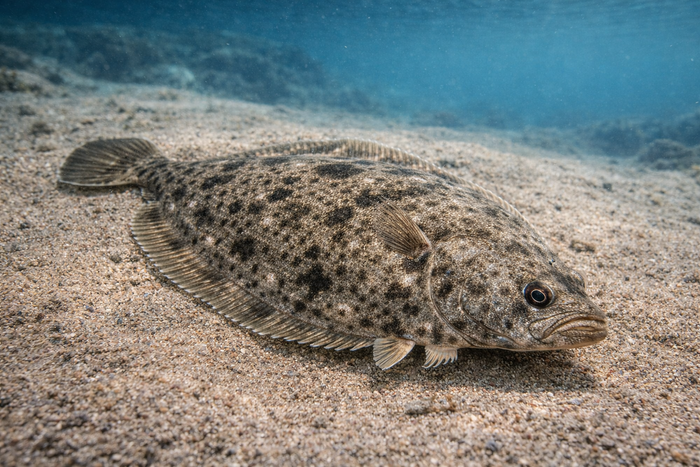
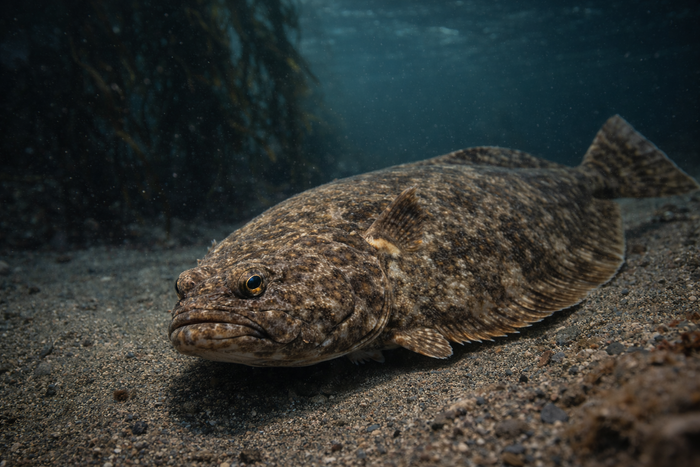
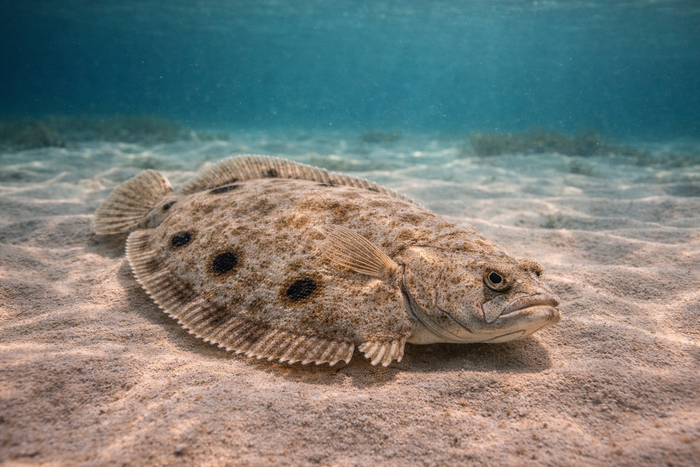
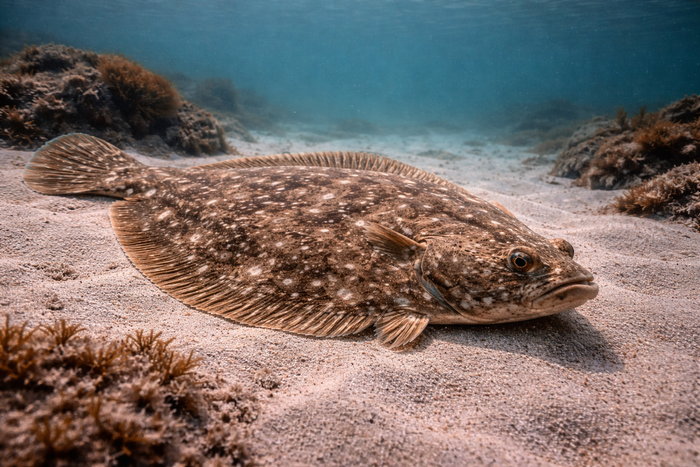
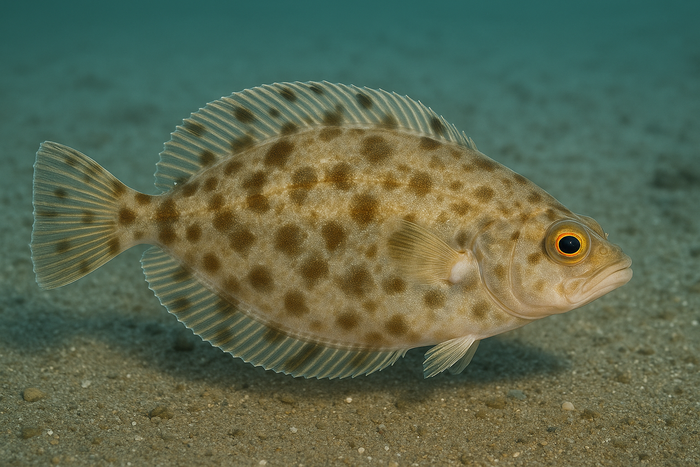
The Gulf Stream Flounder stands out in the flatfish family for several reasons. Unlike many of its relatives, it sports a distinctive asymmetry where both eyes migrate to the left side of its body, a trait that optimizes its bottom-dwelling lifestyle. Its coloration is a masterclass in camouflage, shifting to match the sandy or muddy seafloor, making it nearly invisible to both predators and prey.
Its body is more elongated compared to other flounders, giving it a sleek profile that aids in quick bursts of movement when hunting or evading threats. The species also has a relatively narrow range of depth preference, often found in shallow coastal waters, which influences its feeding and reproductive behaviors. These traits combine to make the Gulf Stream Flounder a specialist in its niche, perfectly adapted to life on the edge of the continental shelf.
Habitat & Global Range
The Gulf Stream Flounder is primarily found along the western Atlantic, from the temperate waters off New England down to the subtropical zones near Florida. Its name hints at its close association with the Gulf Stream current, which influences its distribution and seasonal movements. This current provides a steady flow of nutrients and prey, creating an ideal environment for the species.
Gulf Stream Flounder habitat typically includes sandy or muddy bottoms in estuaries, bays, and continental shelf areas. It favors depths ranging from shallow nearshore waters to about 100 meters, where temperature and salinity conditions remain stable. The species’ preference for these habitats makes it a key player in coastal ecosystems, often overlapping with commercial fishing zones.
Behavior & Temperament
This flounder is a patient predator. It spends much of its time lying flat against the seafloor, waiting for unsuspecting prey to wander close. Its diet mainly consists of small fish, crustaceans, and benthic invertebrates. The Gulf Stream Flounder’s hunting strategy relies on stealth and sudden bursts of speed rather than prolonged chases.
Despite its sedentary appearance, it’s surprisingly agile when necessary. During spawning season, these fish become more active, engaging in migrations to suitable breeding grounds. Their temperament is generally non-aggressive, but they are territorial about their chosen resting spots, often returning to the same area repeatedly.
Ecological Importance
The Gulf Stream Flounder plays a crucial role in maintaining the balance of coastal marine ecosystems. As a mid-level predator, it helps regulate populations of smaller fish and invertebrates, preventing any one species from dominating the habitat. This balance supports biodiversity and the overall health of the seafloor community.
Additionally, the flounder serves as prey for larger fish, seabirds, and marine mammals, making it an integral link in the food web. Its presence indicates a healthy benthic environment, as it requires clean, stable substrates to thrive. Monitoring Gulf Stream Flounder populations can provide valuable insights into the condition of coastal ecosystems.
Conservation & Environmental Pressures
While not currently listed as endangered, the Gulf Stream Flounder faces several environmental pressures. Coastal development, pollution, and habitat degradation threaten the quality of its preferred habitats. Sedimentation and chemical runoff can disrupt the delicate balance of estuarine and nearshore environments, impacting food availability and spawning success.
Commercial and recreational fishing also pose risks. Although not a primary target species, Gulf Stream Flounder can be caught as bycatch, and overfishing in shared habitats may indirectly affect their numbers. Climate change adds another layer of complexity, potentially altering water temperatures and currents that define their habitat range.
Effective conservation requires a focus on habitat protection, pollution control, and sustainable fishing practices. Preserving the Gulf Stream Flounder is not just about saving a single species; it’s about maintaining the integrity of the entire coastal ecosystem.
The FishyAF Take
The Gulf Stream Flounder is a master of subtlety and survival, a flatfish that thrives by blending in and biding its time. It’s a species that demands a closer look beyond its unassuming exterior. Understanding Gulf Stream Flounder facts and habitat nuances reveals a fish perfectly tuned to its environment, yet vulnerable to the rapid changes humans impose on the coast.
For anglers and conservationists alike, this flounder is a reminder that the health of our oceans depends on the smallest details—the right temperature, the right substrate, the right balance of predator and prey. Keep an eye on the Gulf Stream Flounder; it’s a barometer for the Atlantic’s edge and a testament to the power of adaptation in the marine world.