Windowpane Flounder (Scophthalmus aquosus): The Glassy Ghost of the Seafloor That’s Anything But Invisible
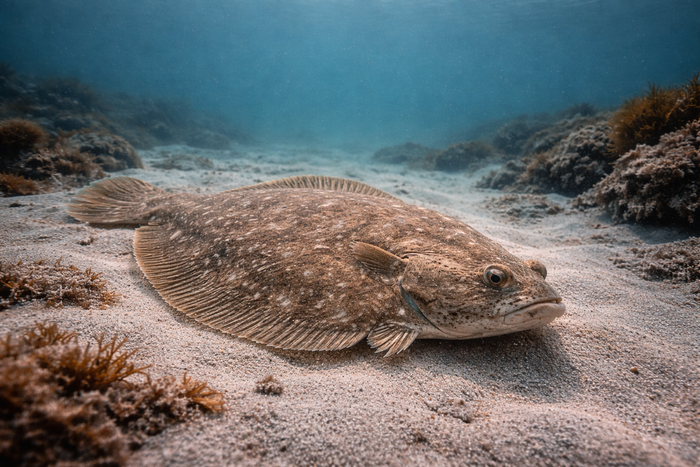
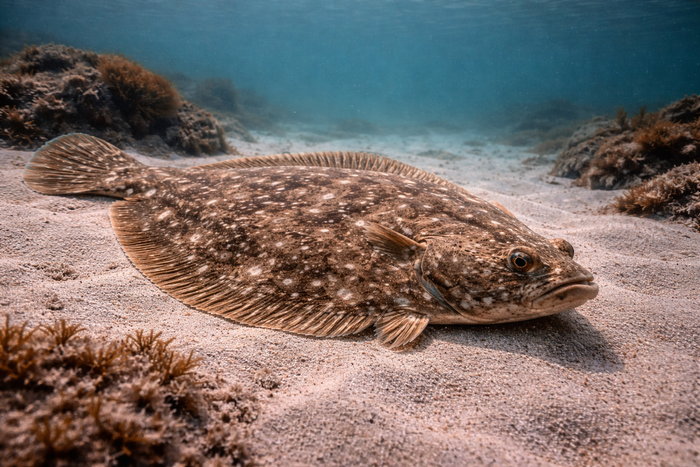
The Windowpane Flounder is not your average flatfish. With a translucent, almost glass-like body that seems to vanish against the sandy ocean floor, it’s a master of disguise and an intriguing subject for anyone serious about marine life. Known scientifically as Scophthalmus aquosus, this species blends subtle beauty with a survival strategy that’s as clever as it is effective. If you’re diving into Windowpane Flounder facts, get ready for a deep dive into a fish that’s equal parts mystery and marvel.
What Makes the Windowpane Flounder Unique?
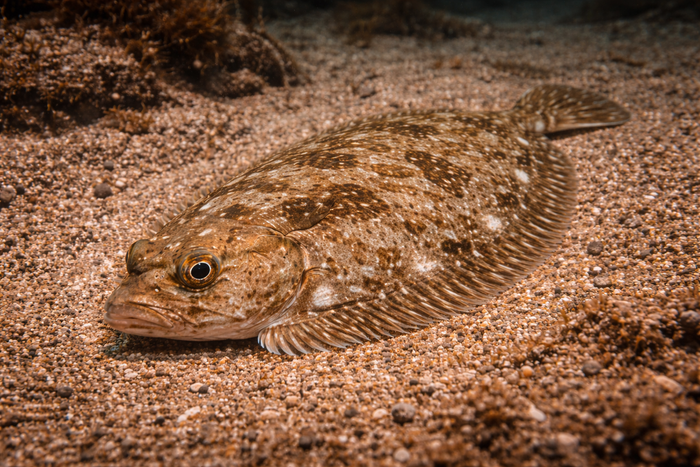
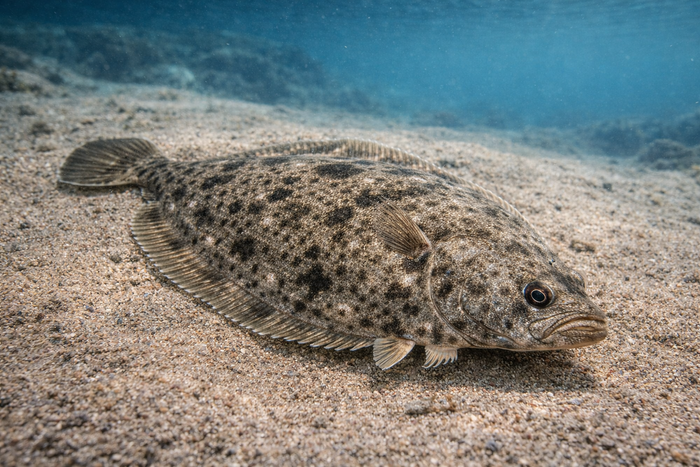
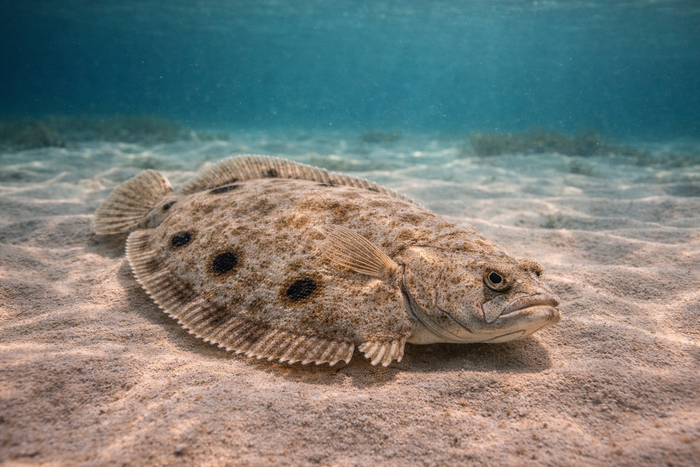
First off, the Windowpane Flounder’s defining trait is its nearly transparent, thin, and flat body. Unlike other flounders that rely on pigmentation and patterning to blend in, this species uses translucency to disappear into its environment. Its body is so thin that light passes through, giving it a ghostly appearance that’s both eerie and fascinating.
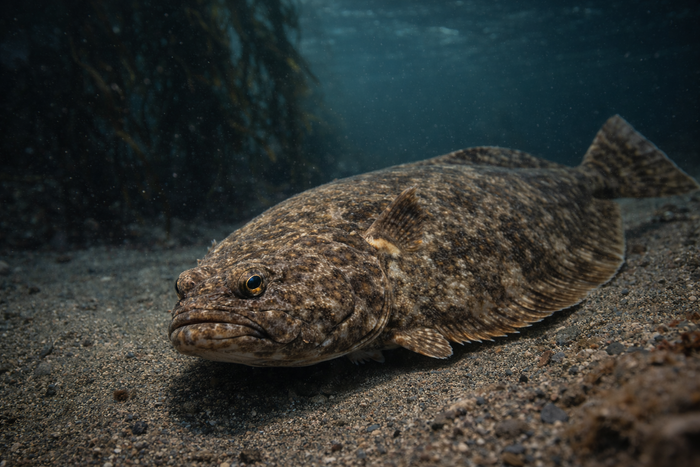
Another standout feature is its eye placement. Like all flounders, it undergoes a metamorphosis during development where one eye migrates to the other side of the head. For the Windowpane Flounder, both eyes end up on the left side, allowing it to lie flat on the ocean floor while keeping a vigilant watch for predators and prey.
Its diet is opportunistic but precise. It feeds primarily on small invertebrates and crustaceans, using stealth and rapid strikes to capture prey. The combination of its unique body structure and hunting style makes it a formidable benthic predator despite its delicate appearance.
Habitat & Global Range
The Windowpane Flounder calls the western Atlantic Ocean home, ranging from the cold waters off Nova Scotia down to the warmer coasts of Florida. This species prefers shallow coastal waters, often found over sandy or muddy bottoms where its translucent body can blend seamlessly.
Windowpane Flounder habitat typically includes estuaries, bays, and continental shelf areas where the substrate is soft and the water depth ranges from a few meters to about 90 meters. This flexibility in habitat preference allows it to exploit a variety of environments, from brackish waters to more saline offshore zones.
Seasonally, it may migrate slightly to follow temperature changes, moving to deeper or shallower waters as conditions dictate. This adaptability is crucial for survival in the variable coastal ecosystems it inhabits.
Behavior & Temperament
The Windowpane Flounder is a classic ambush predator. It spends most of its time buried just beneath the surface of the substrate, waiting patiently for unsuspecting prey to wander close. Its translucent body isn’t just for show—it’s a key part of its hunting strategy, making it nearly invisible to both prey and predators.
Despite its stealthy nature, it’s not a fish that actively chases down food over long distances. Instead, it relies on sudden bursts of speed and precision strikes. This behavior conserves energy and maximizes success rates in the complex seafloor environment.
Temperament-wise, it’s a solitary species. It doesn’t form schools or social groups, preferring isolation to avoid competition and reduce detection by predators. When threatened, it can quickly dart away, but its first line of defense is always invisibility.
Ecological Importance
Windowpane Flounder plays a vital role in coastal marine ecosystems. As a mid-level predator, it helps regulate populations of small invertebrates and crustaceans, maintaining a balance that supports overall biodiversity.
Its presence also indicates healthy benthic habitats. Because it relies on clean, sandy or muddy bottoms, a thriving Windowpane Flounder population often signals good environmental conditions. Conversely, declines can be an early warning of habitat degradation.
Additionally, it serves as prey for larger fish, seabirds, and marine mammals, linking lower and higher trophic levels. This makes it an integral part of the food web, contributing to the energy flow and nutrient cycling within its ecosystem.
Conservation & Environmental Pressures
While not currently listed as endangered, the Windowpane Flounder faces several environmental pressures that could impact its populations. Coastal development, pollution, and habitat destruction threaten the sandy and muddy bottoms it depends on.
Bycatch in commercial fisheries is another concern. Although not a primary target species, it often gets caught in trawls aimed at other bottom-dwelling fish. This incidental capture can reduce local populations, especially if not managed properly.
Climate change adds another layer of complexity. Shifts in water temperature and salinity can alter its habitat range and reproductive cycles. Ocean acidification may also affect the invertebrate prey it depends on, indirectly impacting its survival.
Effective conservation requires monitoring populations, protecting critical habitats, and implementing sustainable fishing practices. Maintaining the health of coastal ecosystems is essential not just for the Windowpane Flounder but for the entire marine community it supports.
The FishyAF Take
The Windowpane Flounder is a masterclass in subtlety and survival. Its translucent body isn’t just a cool trick—it’s a finely tuned adaptation that lets it thrive in a competitive and dangerous environment. This fish challenges the notion that strength and size are the only keys to survival; sometimes, invisibility and patience win the day.
For anglers, marine biologists, or anyone fascinated by the ocean’s hidden gems, the Windowpane Flounder offers a compelling story of evolution and ecological balance. Understanding its role and the threats it faces is crucial for preserving the delicate coastal ecosystems it calls home.
If you want to impress with your Windowpane Flounder facts, remember: this is a species that literally lets the light shine through it, blending science and nature’s artistry in one translucent package. Keep an eye on the seafloor next time you’re near the coast—you might just spot the ghostly shimmer of this remarkable flatfish.