Fourspot Flounder (Paralichthys oblongus): The Flatfish That Masters Disguise and Strikes with Precision
The Fourspot Flounder, Paralichthys oblongus, is a flatfish that commands attention not by flashy colors or acrobatics but through its stealth, adaptability, and striking appearance. This species is a prime example of evolutionary finesse, blending into the ocean floor while waiting for the perfect moment to ambush prey. For anglers and marine enthusiasts alike, understanding the Fourspot Flounder means appreciating a predator that’s as cunning as it is captivating.
What Makes the Fourspot Flounder Unique?
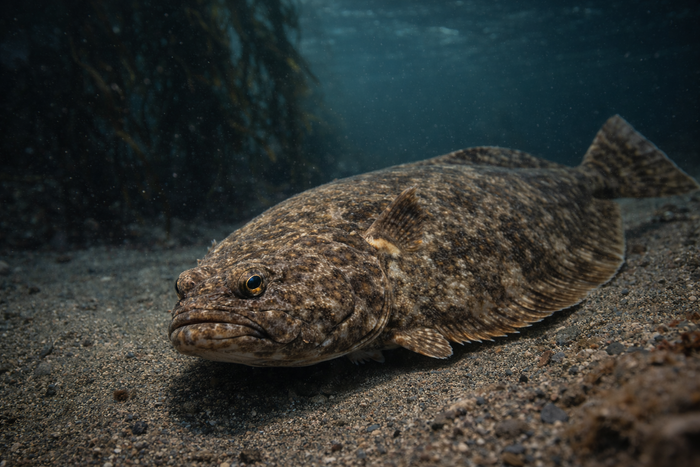
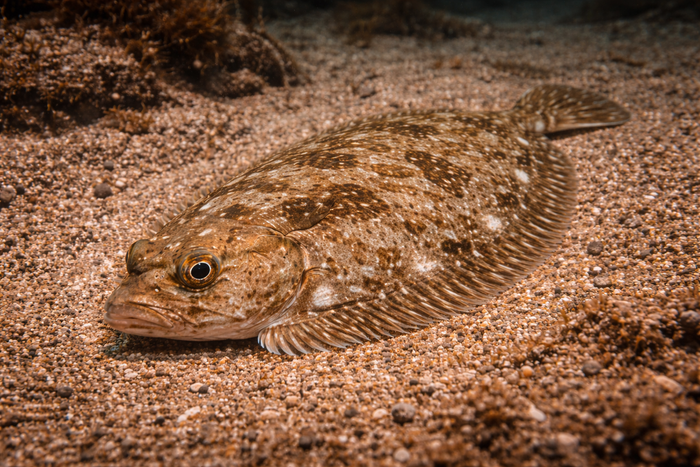
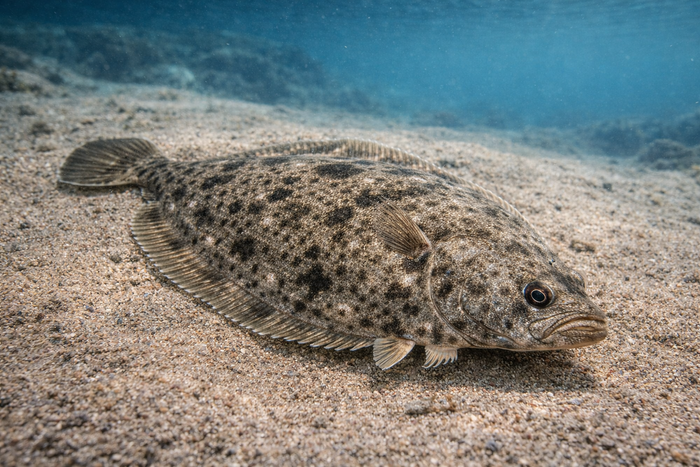
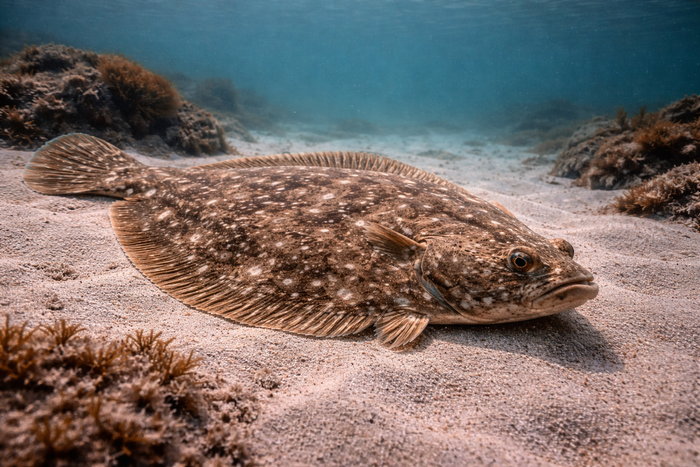
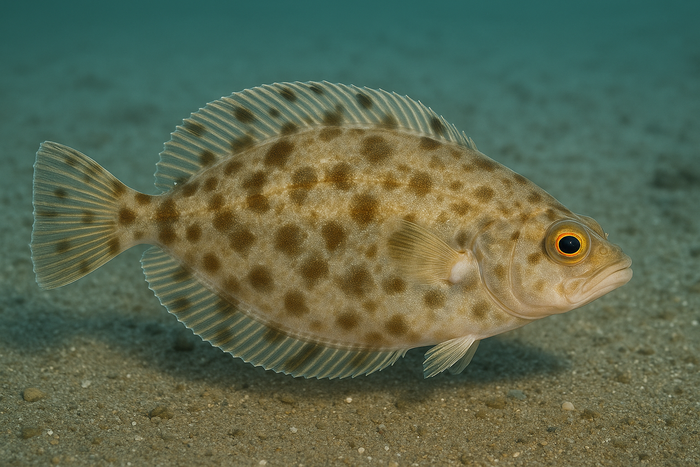
The Fourspot Flounder’s defining feature is, unsurprisingly, its four distinct dark spots on the upper side of its body. These spots aren’t just for show; they serve as camouflage and a form of disruptive coloration that breaks up the fish’s outline on sandy or muddy bottoms. Unlike many flatfish that have a more rounded shape, the Fourspot Flounder boasts an elongated, oblong body, which aids in its quick, darting movements.
Its eyes sit on one side of the head, a hallmark of flatfish, but the Fourspot’s eyes are particularly mobile, allowing it to scan the environment while buried. This species can change its coloration to match the substrate, a survival tactic that makes it nearly invisible to both predators and prey. Its mouth is large and equipped with sharp teeth, designed for grabbing unsuspecting fish and invertebrates.
Habitat & Global Range
The Fourspot Flounder calls the western Atlantic home, ranging from the coastal waters of the southeastern United States down through the Gulf of Mexico and into northern South America. It prefers shallow, sandy, or muddy bottoms where it can easily bury itself. This species thrives in estuaries, bays, and nearshore waters, often found at depths ranging from just a few feet to around 100 meters.
Fourspot Flounder habitat is characterized by warm temperate to subtropical waters. It favors areas with ample cover and food supply, such as seagrass beds and soft sediment zones. These environments offer both protection from larger predators and a buffet of smaller fish, crustaceans, and mollusks.
Behavior & Temperament
The Fourspot Flounder is a patient predator. It spends much of its time lying flat against the seabed, partially buried and motionless, waiting for prey to wander close enough for a lightning-fast strike. Its hunting style is ambush-based, relying on stealth and surprise rather than speed or endurance.
Despite its sedentary hunting approach, the Fourspot Flounder is capable of sudden bursts of speed when attacking or evading threats. It is generally solitary and territorial, especially during spawning seasons. This fish is not aggressive toward divers or humans but will defend its territory against other flounders or intruders.
The Fourspot Flounder’s temperament is a study in contrasts: calm and still for long stretches, then explosive and precise when the moment calls for it. This makes it a fascinating subject for anglers who prize the challenge of spotting and catching a fish that blends so seamlessly into its environment.
Ecological Importance
The Fourspot Flounder plays a crucial role in coastal ecosystems. As a mid-level predator, it helps regulate populations of smaller fish and invertebrates, maintaining a balance that supports overall biodiversity. Its presence indicates healthy benthic habitats, as it relies on clean, undisturbed substrates for camouflage and hunting.
By preying on species that might otherwise overgraze or disrupt the seafloor community, the Fourspot Flounder indirectly supports the health of seagrass beds and other vital habitats. Additionally, it serves as prey for larger fish, sharks, and marine mammals, linking different levels of the food web.
Conservation & Environmental Pressures
While not currently listed as endangered, the Fourspot Flounder faces threats common to many coastal species. Habitat degradation from coastal development, pollution, and sedimentation can reduce the quality of its preferred environments. Overfishing, both targeted and as bycatch, also poses risks, especially in areas with intense commercial and recreational fishing pressure.
Climate change adds another layer of complexity, potentially altering water temperatures and salinity levels in estuarine habitats. These changes can affect spawning success and juvenile survival rates. Conservation efforts focused on protecting estuaries, reducing pollution, and managing fisheries sustainably are essential to ensure the Fourspot Flounder remains a thriving part of its ecosystem.
The FishyAF Take
The Fourspot Flounder is a master of subtlety and survival, a fish that demands respect for its evolutionary ingenuity. It’s not the flashiest catch, but it’s one of the most rewarding for those who understand its habits and habitat. Knowing Fourspot Flounder facts and recognizing its habitat nuances can turn a frustrating day on the water into a memorable encounter with one of the ocean’s most skilled ambush predators.
For anglers, the Fourspot Flounder offers a unique challenge: spotting a nearly invisible fish and coaxing it out of hiding. For conservationists, it’s a reminder that even species that seem abundant need healthy habitats and thoughtful management. The Fourspot Flounder is proof that sometimes the most impressive fish are the ones that don’t scream for attention but command it through quiet dominance and precision.