Smooth Pufferfish (Lagocephalus laevigatus): The Ocean’s Smooth Operator with a Deadly Edge
The Smooth Pufferfish, Lagocephalus laevigatus, is a striking marine species that commands attention not just for its unique appearance but for its potent defense mechanisms. Known for its sleek, streamlined body and the ability to inflate when threatened, this pufferfish is a master of survival in the open ocean. It’s a species that blends boldness with caution, making it a fascinating subject for anyone serious about marine life. If you want to dive into some solid Smooth Pufferfish facts, you’re in the right place.
What Makes the Smooth Pufferfish Unique?
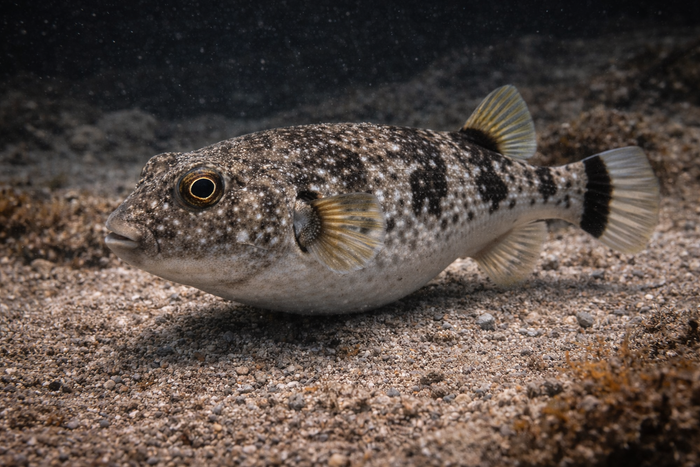
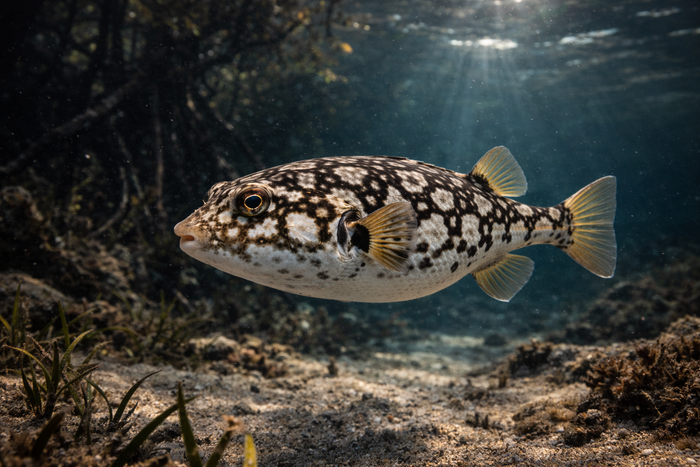
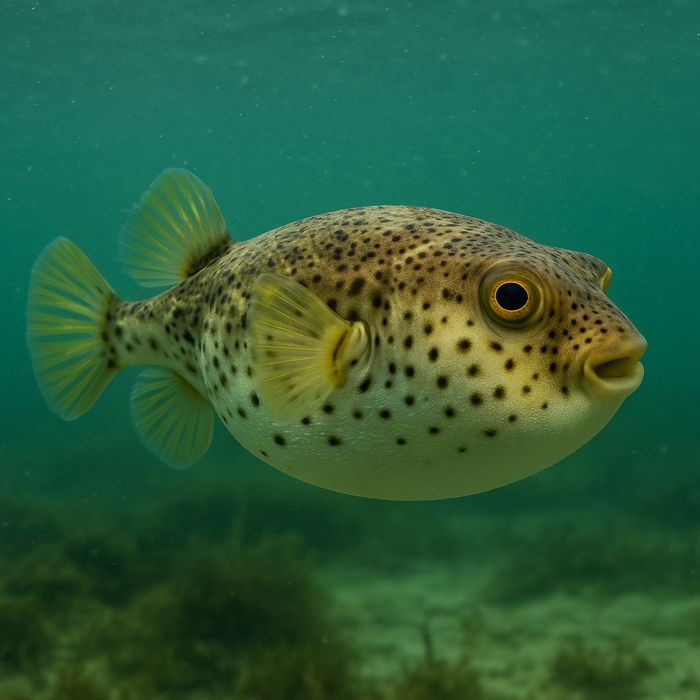
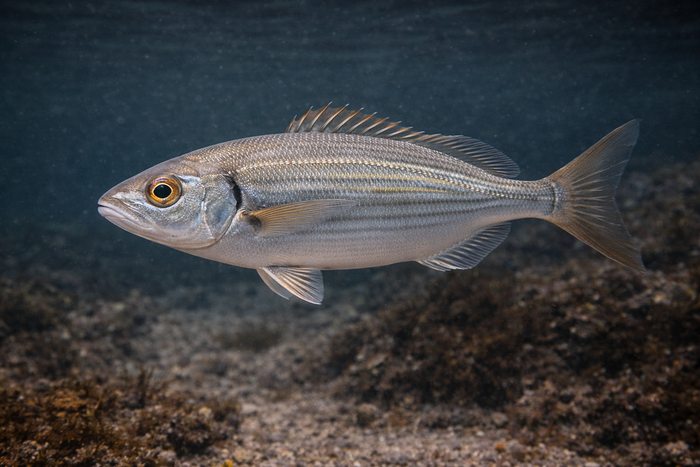
Unlike some of its more bulbous cousins, the Smooth Pufferfish boasts a noticeably smooth, almost polished skin texture, which gives it its name. This isn’t just an aesthetic feature; the smoothness reduces drag, allowing it to glide through water with surprising agility. When threatened, it inflates by gulping water (or air if out of water), ballooning into a spiky, intimidating sphere that deters most predators. But here’s the kicker: it carries tetrodotoxin, a neurotoxin so potent that it can be deadly to humans and other predators alike. This chemical defense makes the Smooth Pufferfish one of the ocean’s most effective survivalists.
Its body shape is more elongated compared to other puffers, and it sports a subtle pattern of silvery or grayish hues that help it blend into pelagic zones. Unlike reef-dwelling puffers, it’s built for open water, which influences its behavior and diet. It feeds primarily on hard-shelled prey like mollusks and crustaceans, using strong beak-like teeth to crush shells.
Habitat & Global Range
The Smooth Pufferfish is a true cosmopolitan traveler of the seas, found in warm and temperate waters worldwide. Its Smooth Pufferfish habitat spans the Atlantic, Indian, and Pacific Oceans, often favoring coastal and offshore waters. It’s comfortable in both shallow continental shelf areas and deeper pelagic zones, typically ranging from the surface down to depths of around 200 meters.
This species thrives in tropical and subtropical waters, often near sandy or muddy bottoms where its prey is abundant. It’s not a reef specialist but can occasionally be found near coral edges. Its wide distribution and adaptability to different marine environments make it a resilient species, capable of handling varying oceanic conditions.
Behavior & Temperament
The Smooth Pufferfish is not your average timid fish. It exhibits a curious mix of cautiousness and boldness. When undisturbed, it cruises slowly, scanning the seafloor for food. Its diet demands patience and precision, as it targets slow-moving or sessile creatures like clams, snails, and small crustaceans.
Despite its defensive inflation trick, the Smooth Pufferfish prefers to avoid confrontation. It’s not aggressive but will hold its ground if cornered. Its inflation is a last resort, a dramatic bluff that rarely fails to discourage predators. Interestingly, it’s mostly solitary, coming together with others only during breeding seasons.
Smooth Pufferfish are also known for their slow, deliberate movements and excellent camouflage, which helps them blend into their environment and avoid detection. Their temperament is generally calm, but they are highly alert, always ready to deploy their defense mechanisms.
Ecological Importance
The Smooth Pufferfish plays a crucial role in maintaining the balance of marine ecosystems. By preying on mollusks and crustaceans, it helps regulate populations of these species, preventing overgrazing on seagrass beds and coral reefs. This predation indirectly supports the health of benthic habitats, which are vital for numerous marine organisms.
Moreover, as a prey species, it fits into the food web as a source of nutrition for larger predators, although its toxicity limits the number of natural enemies. Its presence signals a healthy, functioning ecosystem, especially in pelagic and coastal zones where it resides.
Conservation & Environmental Pressures
Currently, the Smooth Pufferfish is not considered endangered, thanks to its wide distribution and adaptability. However, it faces threats common to many marine species. Habitat degradation, pollution, and climate change impact its Smooth Pufferfish habitat, altering prey availability and water quality.
Overfishing, particularly bycatch in commercial fisheries, can also affect local populations. While not a primary target, its toxin makes it a risky catch, and accidental capture can have ecological consequences. Monitoring and sustainable fishing practices are essential to ensure this species remains abundant.
The FishyAF Take
The Smooth Pufferfish is a standout in the puffer family, combining sleek design with a deadly defense. It’s a reminder that nature’s elegance often comes with a sharp edge. For anglers, divers, and marine enthusiasts, understanding the Smooth Pufferfish facts is key to appreciating its role in the ocean’s complex web.
This species isn’t just a curiosity; it’s a vital player in marine ecosystems, balancing predator-prey dynamics and showcasing evolutionary innovation. Respect its space, admire its smooth silhouette, and remember that beneath that calm exterior lies a potent survival machine. The Smooth Pufferfish proves that sometimes, smooth really does mean deadly.