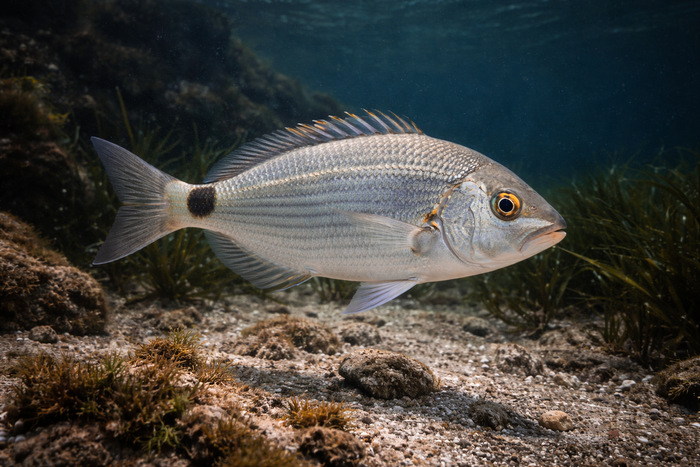
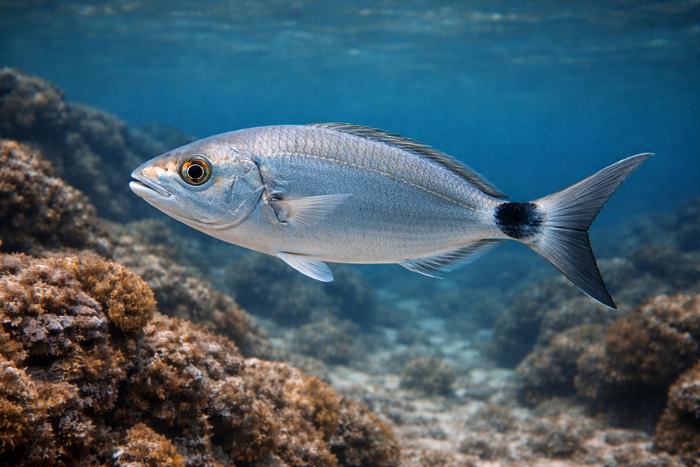
Black Perch (Embiotoca jacksoni): California’s Coastal Charmer with Attitude
The Black Perch is no wallflower of the Pacific coast. With its striking patterns and bold personality, Embiotoca jacksoni stands out among California’s rocky reef residents. This fish isn’t just another pretty face; it’s a vital player in nearshore ecosystems and a favorite among anglers and divers alike. If you want to know what makes this species tick, where it calls home, and why it matters, you’re in the right place.
What Makes the Black Perch Unique?
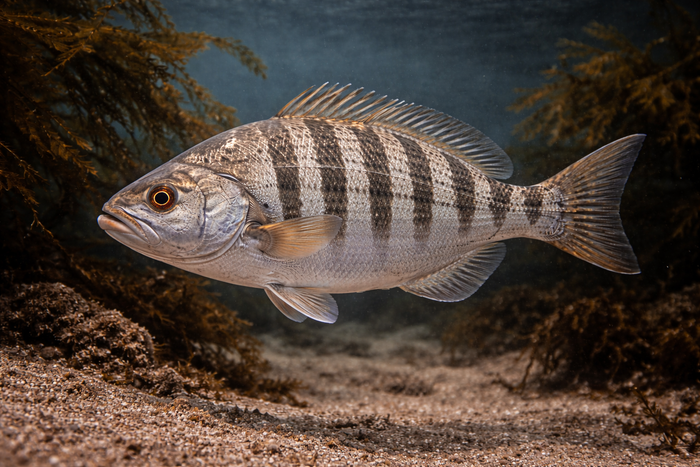
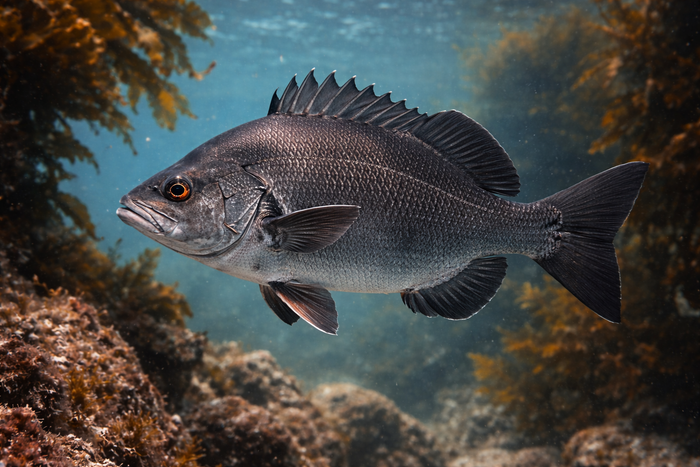
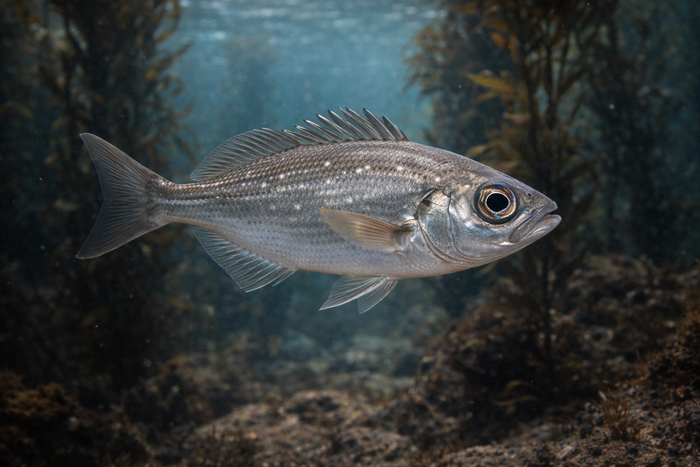
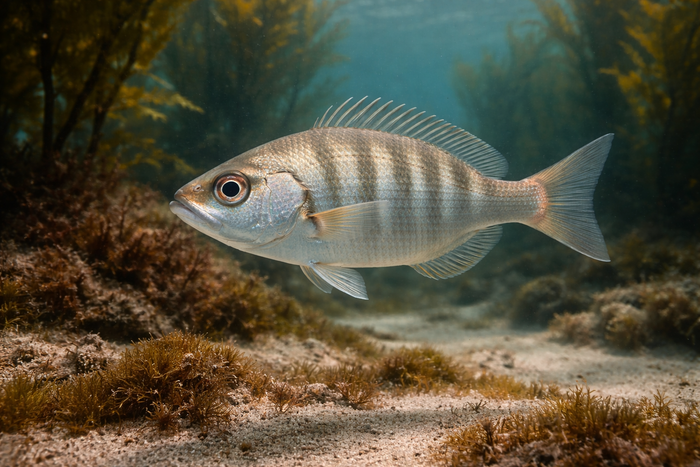
Black Perch are instantly recognizable by their deep, laterally compressed bodies and a distinctive pattern of dark vertical bars that give them a rugged, armored look. Unlike many perch species, they sport a thick, fleshy lip and a mouth built for nibbling on a varied diet. Their coloration can shift subtly depending on mood and environment, a handy trait for blending into kelp beds or rocky crevices.
One of the most fascinating Black Perch facts is their reproductive strategy. They are viviparous, meaning females give birth to live young rather than laying eggs. This is a rarity among fish and gives their offspring a better survival edge right from the start. The males often guard the young, showing a level of parental care that’s uncommon in the fish world.
Habitat & Global Range
Black Perch habitat is tightly linked to the rocky reefs and kelp forests of the northeastern Pacific, primarily along the California coast from Monterey Bay down to Baja California. They thrive in shallow waters, usually between 3 and 30 meters deep, where the complex structure of kelp and rocks offers both shelter and hunting grounds.
These fish are not open ocean wanderers. They prefer the dynamic, nutrient-rich coastal zones where currents bring a steady supply of plankton and small invertebrates. The Black Perch’s affinity for these habitats makes them a reliable indicator species for the health of nearshore marine environments.
Behavior & Temperament
Black Perch are territorial but not aggressively so. They stake out a patch of reef or kelp and patrol it diligently, chasing off intruders with quick dashes and displays of their bold vertical bars. Their behavior is a mix of cautious curiosity and confident defense.
Feeding is a constant activity. They graze on small crustaceans, mollusks, and algae, using their specialized teeth to scrape and nip. This omnivorous diet allows them to adapt to seasonal changes in food availability. Black Perch are diurnal, most active during daylight hours when their prey is also on the move.
Socially, they can be found alone or in small groups, especially during breeding season when males become more vocal and visible. Their interactions are subtle but complex, involving color changes and fin displays that communicate dominance and readiness to mate.
Ecological Importance
Black Perch play a crucial role in maintaining the balance of kelp forest ecosystems. By feeding on algae and small invertebrates, they help control populations that could otherwise overwhelm kelp and disrupt habitat structure. This grazing activity supports the overall biodiversity of the reef community.
They also serve as prey for larger predators such as rockfish, seabirds, and marine mammals, linking lower and higher trophic levels. Their presence signals a healthy, functioning ecosystem, making them a valuable species for ecological monitoring.
Conservation & Environmental Pressures
While not currently listed as endangered, Black Perch face several environmental pressures that could impact their populations. Coastal development, pollution, and habitat degradation threaten the kelp forests and rocky reefs they depend on. Rising ocean temperatures and acidification also pose risks by altering food webs and habitat suitability.
Fishing pressure is generally low since Black Perch are not a primary target species, but bycatch and habitat disturbance from recreational activities can have localized effects. Conservation efforts focused on protecting kelp forest habitats indirectly benefit Black Perch, emphasizing the need for integrated coastal management.
The FishyAF Take
The Black Perch is a standout example of how a species can be both ecologically essential and visually captivating. Its unique reproductive strategy and adaptable feeding habits make it a resilient resident of California’s nearshore waters. But resilience isn’t invincibility. Protecting Black Perch habitat means safeguarding entire ecosystems that countless other species rely on.
For anglers, divers, and marine enthusiasts, the Black Perch offers a glimpse into the complexity and beauty of coastal marine life. It’s a reminder that even common fish have extraordinary stories and roles. Keep an eye out for those bold vertical bars next time you’re near a kelp forest. The Black Perch isn’t just part of the scenery—it’s a key player in the underwater drama unfolding right off the coast.