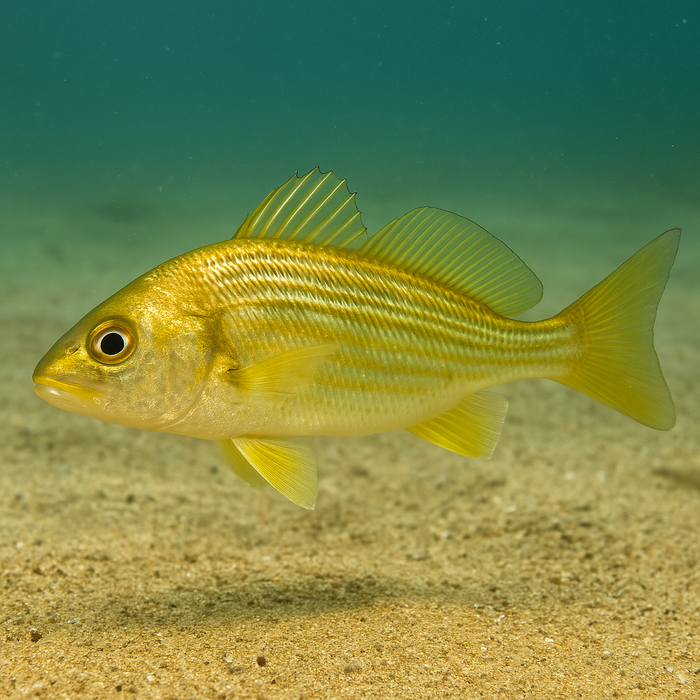
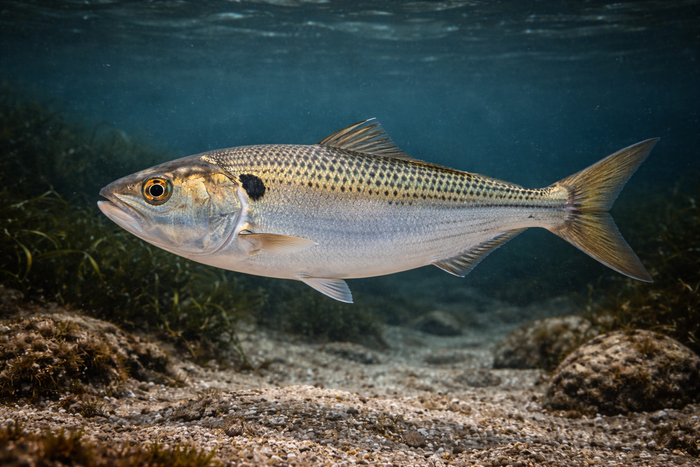
Barred Surfperch (Amphistichus argenteus): The Coastal Contender with Stripes That Speak Volumes
Meet the Barred Surfperch, a coastal fish that doesn’t just blend into the surf but stands out with bold vertical bars and a tenacious attitude. This species commands attention along the Pacific shores, carving out a niche that’s as interesting as its distinctive markings. If you’re diving into Barred Surfperch facts, get ready for a deep dive into a fish that’s more than just a pretty pattern.
What Makes the Barred Surfperch Unique?
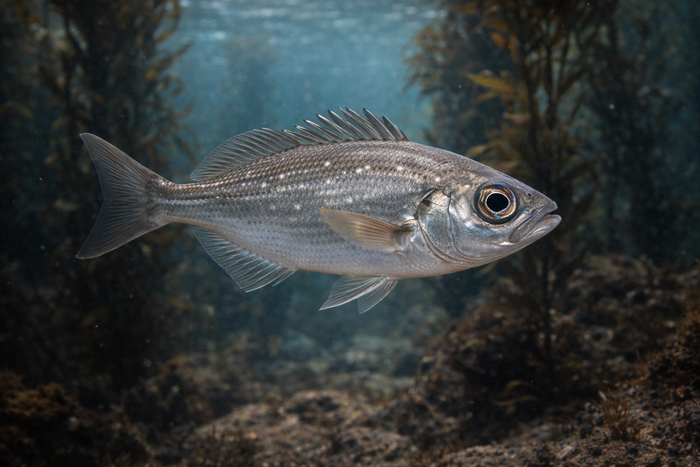
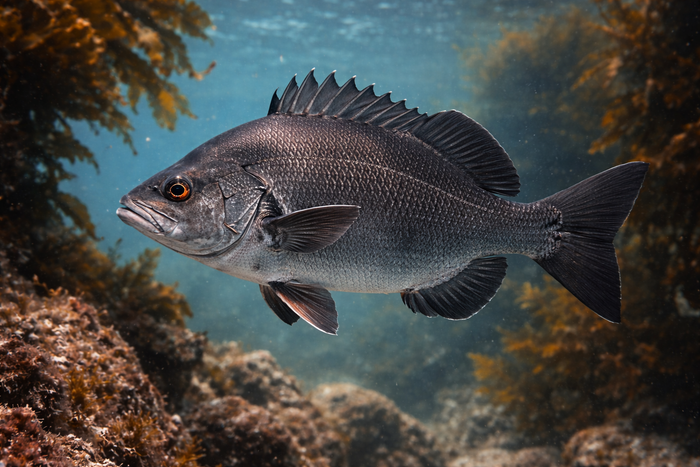
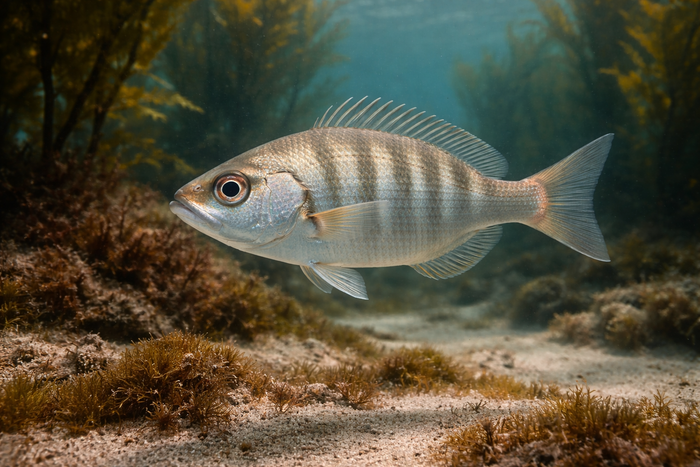
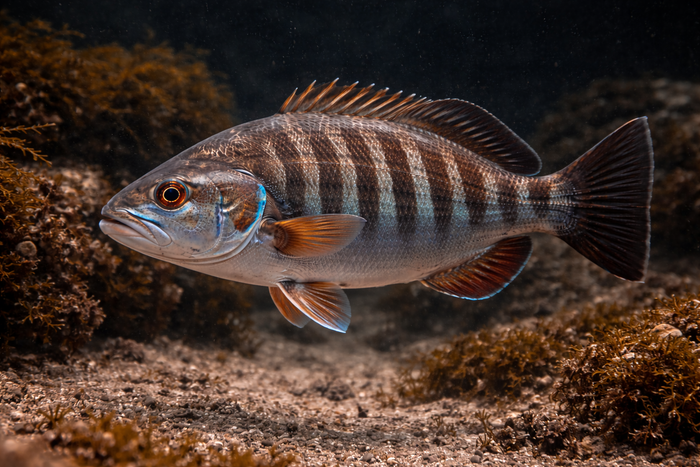
The Barred Surfperch is instantly recognizable by its series of dark vertical bars running down its silvery body. These stripes aren’t just for show—they provide camouflage amid the rocky reefs and kelp beds where this fish thrives. Unlike many other surfperch species, Amphistichus argenteus boasts a robust, laterally compressed body and a slightly forked tail, making it a swift and agile swimmer in turbulent coastal waters.
One standout trait is its reproductive strategy. Barred Surfperch are viviparous, meaning they give birth to live young rather than laying eggs. This adaptation increases offspring survival in the dynamic surf zone, where eggs would be vulnerable to currents and predators. Females can carry dozens of developing embryos, showcasing a reproductive investment that’s both fascinating and efficient.
Habitat & Global Range
Barred Surfperch habitat is strictly coastal, hugging the Pacific coastline from central California down to Baja California. They prefer sandy bottoms interspersed with rocky outcrops, kelp forests, and surf zones where waves break with force. This fish is a true littoral specialist, rarely venturing far from shore.
Their range is limited to temperate waters, thriving in the nutrient-rich upwellings that characterize the California Current system. These conditions support a diverse food web, providing ample prey like small crustaceans, worms, and mollusks. The Barred Surfperch’s preference for nearshore habitats makes it a favorite target for surf anglers, who prize its fight and flavor.
Behavior & Temperament
Barred Surfperch are schooling fish, often found in loose groups that patrol the surf zone. Their behavior is a mix of cautious and curious—they’ll dart away quickly if threatened but can be surprisingly bold when feeding or defending territory. These fish are opportunistic feeders, using their strong jaws to crush hard-shelled prey and snatch up whatever else the tide delivers.
Their activity peaks during dawn and dusk, times when prey is most abundant and visibility is low enough to avoid predators. Barred Surfperch exhibit site fidelity, often returning to the same feeding grounds repeatedly. This territorial tendency makes them predictable for anglers but also vulnerable to localized environmental changes.
Ecological Importance
Barred Surfperch play a pivotal role in nearshore ecosystems. As mid-level predators, they help regulate populations of small invertebrates, maintaining balance in the benthic community. Their feeding habits contribute to the turnover of organic material, promoting nutrient cycling in coastal waters.
They also serve as prey for larger fish, seabirds, and marine mammals, linking lower trophic levels to apex predators. This connectivity underscores their importance in sustaining healthy, resilient marine ecosystems. The reproductive strategy of live birth ensures a steady influx of juveniles, supporting population stability and genetic diversity.
Conservation & Environmental Pressures
Despite their abundance, Barred Surfperch face several environmental pressures. Coastal development, pollution, and habitat degradation threaten the sandy and rocky substrates they depend on. Sedimentation from runoff can smother feeding grounds, while chemical pollutants disrupt reproductive cycles.
Climate change adds another layer of complexity. Rising sea temperatures and ocean acidification can alter prey availability and habitat suitability. Overfishing is less of an issue compared to other species, but localized pressure from recreational anglers can impact populations if not managed properly.
Conservation efforts focus on habitat protection, pollution control, and sustainable fishing practices. Monitoring Barred Surfperch populations offers valuable insights into the health of nearshore ecosystems, making them a useful indicator species for environmental change.
The FishyAF Take
The Barred Surfperch is a coastal champion that deserves more spotlight. Its bold stripes are a badge of survival in a challenging environment, and its live-bearing reproductive style is a masterclass in evolutionary adaptation. For anglers, it offers a spirited fight and a taste of the Pacific surf. For ecologists, it’s a vital cog in the nearshore machine.
Understanding Barred Surfperch facts and habitat nuances isn’t just trivia—it’s a step toward appreciating and protecting the complex coastal ecosystems they inhabit. Keep an eye out for this striped contender next time you’re by the surf. It’s more than just a fish; it’s a story of resilience, adaptation, and the wild pulse of the ocean’s edge.