Dwarf Surfperch (Micrometrus minimus): Small Fish, Big Attitude
The Dwarf Surfperch is a pint-sized powerhouse of the Pacific coastline, packing more personality and ecological punch than its size suggests. This species, Micrometrus minimus, is a standout among surfperches, known for its compact frame and bold presence in nearshore waters. If you’re diving into Dwarf Surfperch facts, get ready to explore a fish that’s as fascinating as it is underappreciated.
What Makes the Dwarf Surfperch Unique?
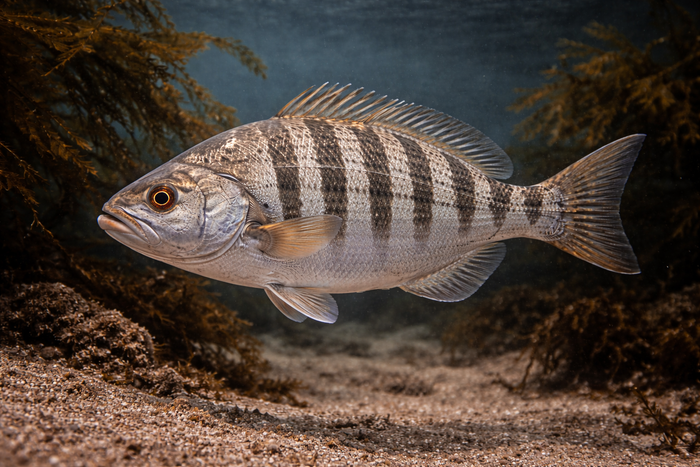
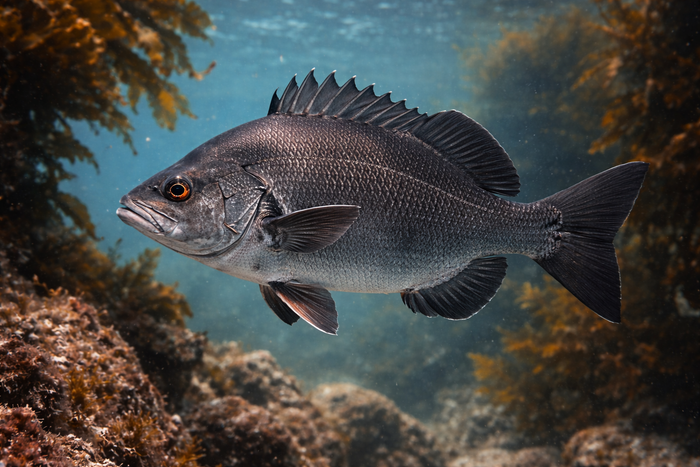
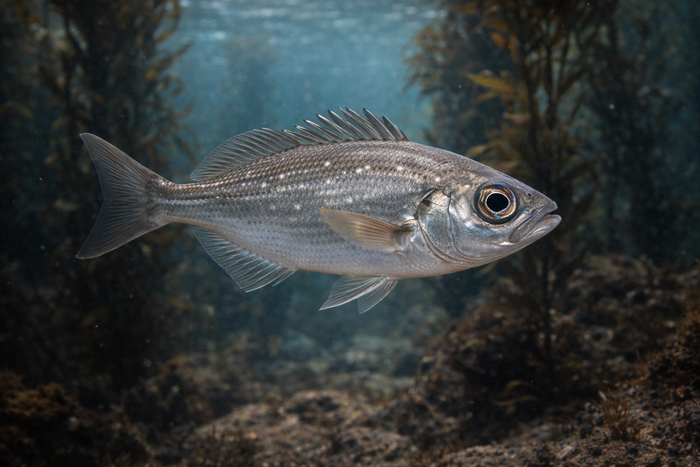
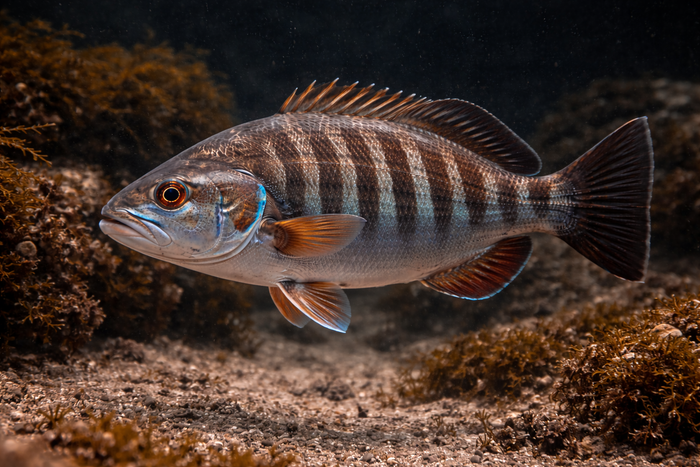
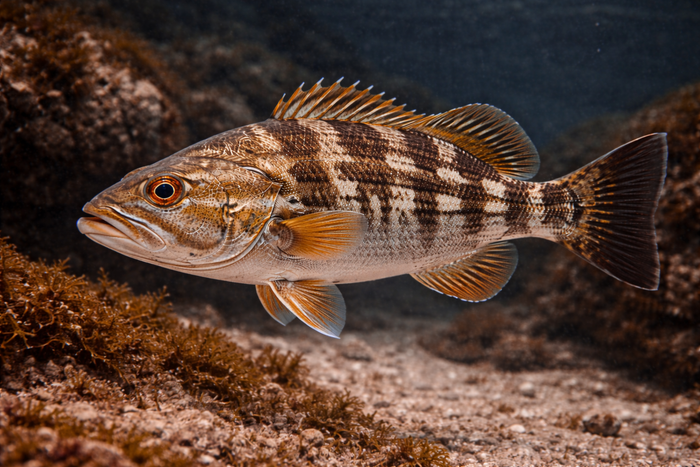
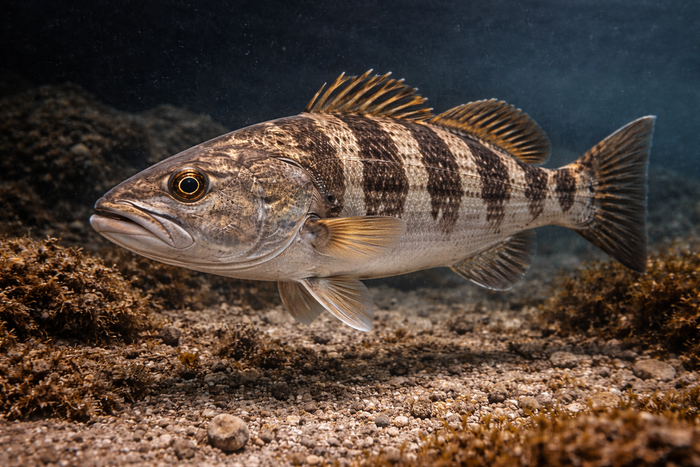
Forget the idea that small means insignificant. The Dwarf Surfperch is the smallest member of the surfperch family, but it’s no wallflower. Its distinctive, laterally compressed body and subtle coloration help it blend into the rocky and sandy substrates it calls home. Unlike many fish that scatter at the first sign of trouble, this species exhibits a curious and somewhat fearless nature, often seen darting confidently around kelp beds and tide pools.
One of the most intriguing Dwarf Surfperch facts is its reproductive strategy. These fish are viviparous, meaning they give birth to live young rather than laying eggs. This method offers their offspring a better chance at survival in the turbulent surf zone, where eggs would otherwise be vulnerable to predators and harsh conditions. The females carry developing embryos internally, a trait that sets them apart from many other coastal fish.
Habitat & Global Range
The Dwarf Surfperch’s habitat is a narrow but vital strip along the northeastern Pacific coast, primarily from central California up to southern Oregon. Its preferred environment includes shallow, rocky reefs, kelp forests, and sandy bottoms within the surf zone. This habitat choice is no accident; the constant movement of water in these areas provides ample oxygen and food, while the structure offers protection from predators.
Understanding Dwarf Surfperch habitat is key to appreciating their role in coastal ecosystems. They thrive in the dynamic interface where ocean meets shore, a zone often overlooked but rich in biodiversity. Their presence in these habitats underscores the importance of nearshore conservation efforts, as these areas face increasing pressure from human activity and climate change.
Behavior & Temperament
Dwarf Surfperch are not your typical skittish fish. Their behavior is marked by a mix of wariness and boldness. They often form small groups, navigating the surge with agility and precision. Their feeding habits are opportunistic; they consume a diet of small invertebrates like amphipods, copepods, and tiny crustaceans, making them an integral link in the nearshore food web.
Their temperament is surprisingly resilient. They can tolerate the constant battering of waves and shifting tides, adapting their movements to the ever-changing environment. This adaptability is a survival asset, allowing them to exploit niches that larger, less flexible fish cannot.
Ecological Importance
The Dwarf Surfperch plays a crucial role in the coastal ecosystem. As both predator and prey, it helps maintain the balance of invertebrate populations and provides a food source for larger fish, seabirds, and marine mammals. Their feeding activity contributes to the health of benthic communities by controlling populations of small crustaceans and other invertebrates.
Moreover, their reproductive strategy ensures a steady supply of juveniles that support the continuity of nearshore fish populations. This makes them a key species for sustaining the biodiversity of surf zone habitats. Their presence is an indicator of healthy coastal ecosystems, reflecting the overall condition of their environment.
Conservation & Environmental Pressures
Despite their resilience, Dwarf Surfperch face growing environmental pressures. Coastal development, pollution, and habitat degradation threaten the delicate balance of their surf zone habitats. Sedimentation and chemical runoff can alter the water quality and substrate composition, directly impacting their survival and reproductive success.
Climate change adds another layer of complexity. Rising sea temperatures and ocean acidification affect the availability of prey and the suitability of their habitat. While not currently listed as endangered, the Dwarf Surfperch’s dependence on specific nearshore environments makes them vulnerable to rapid environmental changes.
Conservation efforts aimed at protecting coastal habitats, reducing pollution, and monitoring fish populations are essential to ensure the future of this species. Maintaining the integrity of kelp forests and rocky reefs will benefit not only the Dwarf Surfperch but the entire community of organisms relying on these ecosystems.
The FishyAF Take
The Dwarf Surfperch is a testament to the power of small players in the marine world. It’s a species that demands respect for its ecological role and adaptability. If you’re serious about understanding coastal ecosystems, ignoring the Dwarf Surfperch is not an option. Its bold behavior, unique reproductive strategy, and habitat preferences make it a fascinating subject for anyone interested in marine biology or sustainable fisheries.
In the grand scheme of ocean life, the Dwarf Surfperch might be tiny, but it’s a heavyweight in ecological significance. Keep an eye out for this little fish next time you’re near the surf zone—it’s a reminder that even the smallest creatures can have a big impact.