Calico Bass (Paralabrax clathratus): The Striped Powerhouse of Coastal Waters
The Calico Bass, also known as the kelp bass, is a standout species along the Pacific coast, particularly from California down to Baja California. Its striking pattern and aggressive nature make it a favorite among anglers and marine enthusiasts alike. This fish isn’t just another pretty face in the kelp forest; it’s a key player in its ecosystem and a testament to the complexity of coastal marine life. If you’re diving into Calico Bass facts, get ready for a deep dive into a fish that’s as bold as it is beautiful.
What Makes the Calico Bass Unique?
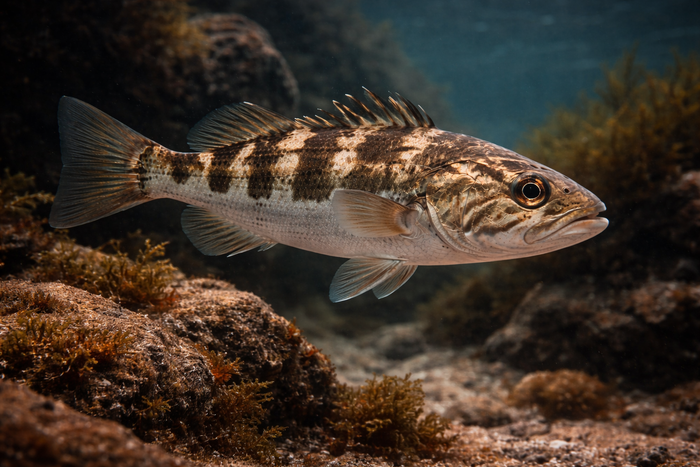
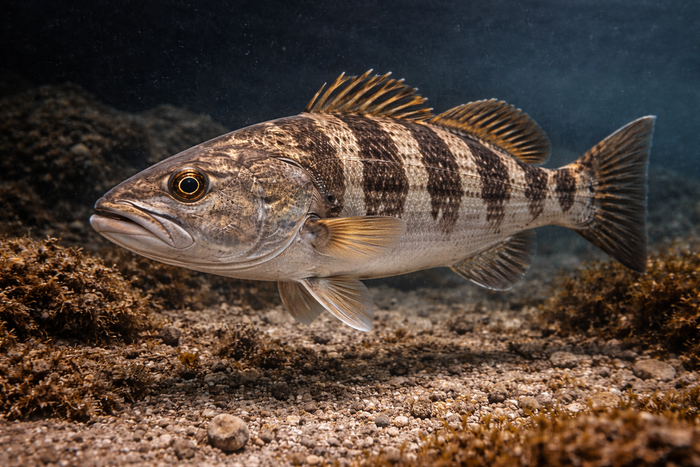
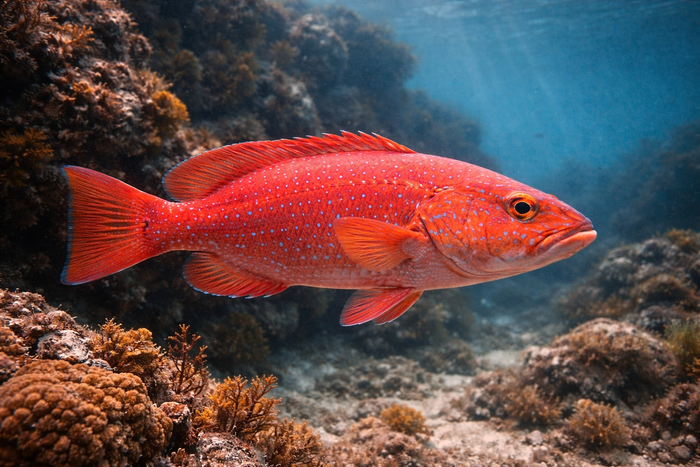
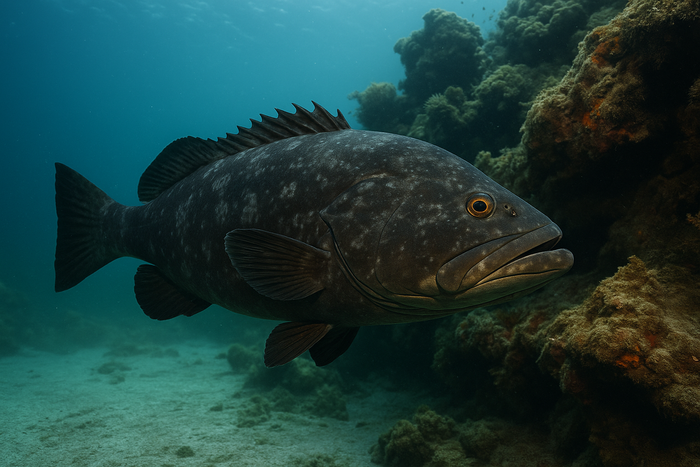
The Calico Bass earns its name from the distinctive mottled pattern of dark vertical bars and blotches across its body, resembling a calico cat’s patchwork. This camouflage is not just for show—it’s a survival tool in the dense kelp forests where it hunts and hides. Unlike many bass species, the Calico Bass thrives in saltwater environments, making it a marine specialist rather than a freshwater dweller.
Its body shape is streamlined yet robust, built for quick bursts of speed to ambush prey. The Calico Bass is a carnivore with a diverse diet, feeding on small fish, crustaceans, and cephalopods. Its ability to adapt its hunting strategy to the environment—whether darting through kelp or lurking near rocky reefs—sets it apart from more predictable predators.
Habitat & Global Range
Calico Bass habitat is tightly linked to the kelp forests and rocky reefs along the eastern Pacific coastline. They are primarily found from central California through Baja California, Mexico. These fish prefer shallow waters, typically ranging from 3 to 30 meters deep, where kelp forests provide both cover and hunting grounds.
The kelp forest ecosystem is a dynamic environment, and the Calico Bass is perfectly adapted to it. The dense kelp offers protection from larger predators and a rich hunting ground for smaller prey. This habitat preference means the Calico Bass is a coastal specialist, rarely venturing into open ocean or deeper waters.
Behavior & Temperament
Calico Bass behavior is a mix of territoriality and opportunistic feeding. They are known to be aggressive hunters, using stealth and speed to capture prey. Their territorial nature means they often defend prime spots within the kelp forest, especially during spawning seasons.
These fish exhibit interesting social dynamics. Juveniles tend to school for protection, but adults are more solitary or found in small groups. The Calico Bass is also known for its curious nature, often investigating divers and anglers, which can make it a challenging but rewarding catch.
Ecological Importance
The Calico Bass plays a crucial role in maintaining the balance of kelp forest ecosystems. As a mid-level predator, it helps control populations of smaller fish and invertebrates, preventing any one species from dominating and disrupting the habitat.
By preying on species that graze on kelp, the Calico Bass indirectly supports the health of kelp forests, which are vital carbon sinks and biodiversity hotspots. Their presence indicates a healthy, functioning ecosystem, making them an important species for ecological monitoring.
Conservation & Environmental Pressures
While the Calico Bass is not currently listed as endangered, it faces several environmental pressures that could impact its populations. Overfishing, particularly from recreational anglers, can reduce local numbers, especially in heavily trafficked coastal areas.
Habitat degradation is a more insidious threat. Pollution, coastal development, and climate change are altering kelp forest habitats, reducing the availability of shelter and food. Rising ocean temperatures and acidification also affect the prey species Calico Bass rely on, potentially disrupting food chains.
Conservation efforts focus on sustainable fishing practices and protecting kelp forest habitats through marine protected areas. Monitoring Calico Bass populations provides insight into the broader health of coastal ecosystems, making their conservation a priority for marine biologists and environmentalists.
The FishyAF Take
The Calico Bass is more than just a target for anglers; it’s a vital cog in the coastal marine machine. Its bold patterns and aggressive hunting style make it a standout species, but its real value lies in its ecological role. Understanding Calico Bass facts and habitat preferences is key to appreciating how interconnected marine life really is.
If you want to fish for Calico Bass or simply admire them in their natural environment, respect their role and the delicate balance they maintain. Protecting their kelp forest homes means preserving a complex ecosystem that supports countless species, including us. The Calico Bass is a reminder that sometimes the most striking creatures are also the most essential.