Barred Sand Bass (Paralabrax nebulifer): The Coastal Predator That Commands Attention
The Barred Sand Bass is a standout in Southern California and Baja waters, known for its striking barred pattern and aggressive strikes. This species isn’t just another bass; it’s a top-tier predator that anglers respect and marine ecosystems rely on. If you’re diving into Barred Sand Bass facts, prepare to meet a fish that blends beauty, brawn, and ecological significance in one sleek package.
What Makes the Barred Sand Bass Unique?
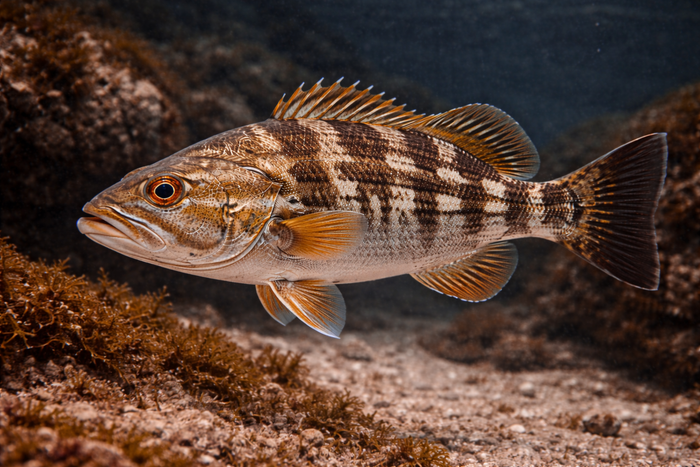
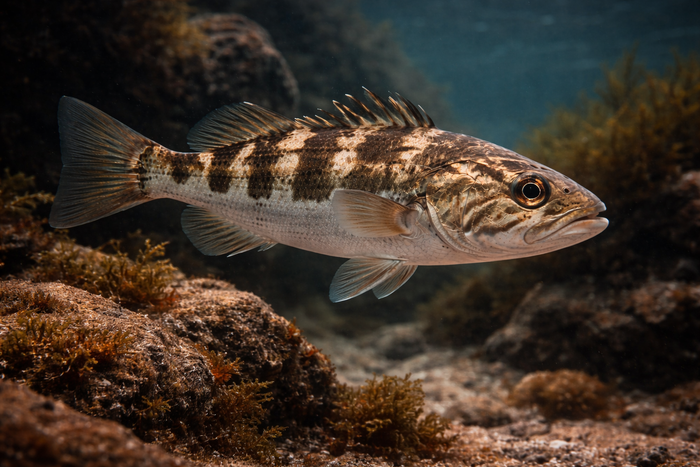
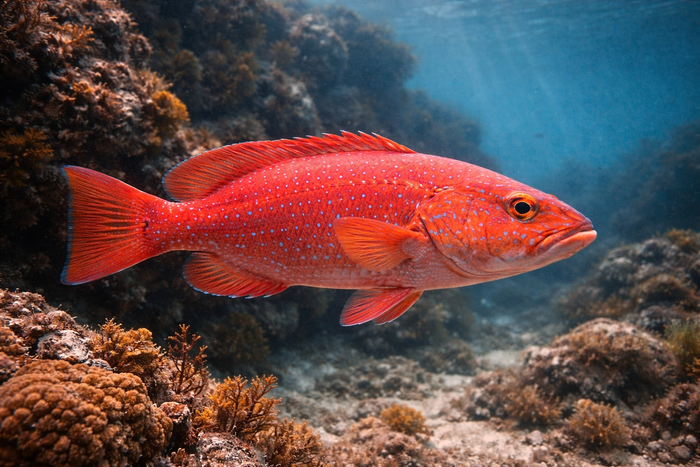
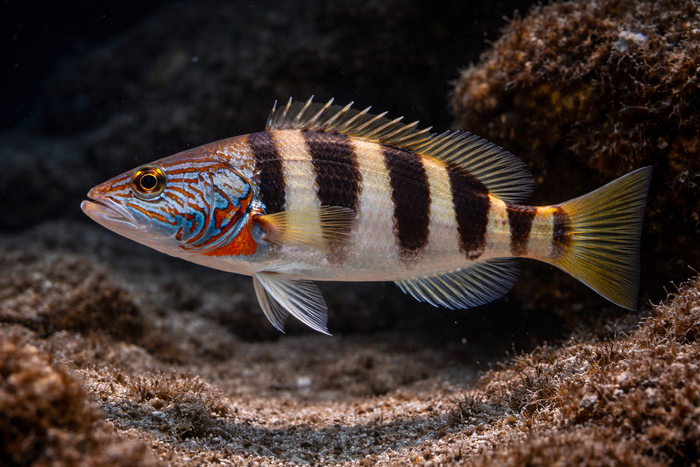
Barred Sand Bass are instantly recognizable by their bold vertical bars running down a silvery body, a pattern that sets them apart from other bass species. But it’s more than just looks. These fish have a robust, elongated body and a large mouth packed with sharp teeth, perfect for their carnivorous diet. Unlike their cousins, the spotted sand bass, barred sand bass tend to grow larger and exhibit more territorial behavior.
Their ability to thrive in both rocky reefs and sandy bottoms is a testament to their adaptability. They’re ambush predators, relying on stealth and quick bursts of speed to snatch prey. This combination of physical traits and hunting strategy makes them a formidable presence in coastal waters.
Habitat & Global Range
Barred Sand Bass habitat is primarily concentrated along the Pacific coast from central California down to Baja California, Mexico. They prefer nearshore environments where rocky reefs meet sandy flats, often found at depths ranging from shallow waters to about 90 feet. These fish are not deep ocean dwellers; they stick to the continental shelf where food is abundant and cover is plentiful.
Their range includes popular fishing spots like Catalina Island and the Channel Islands, where underwater structures provide ideal hunting grounds. Seasonal movements occur, with some populations shifting slightly offshore or into deeper waters during colder months, but they rarely stray far from their preferred coastal zones.
Behavior & Temperament
Barred Sand Bass are known for their aggressive feeding habits. They’re opportunistic predators, targeting smaller fish, squid, and crustaceans with rapid lunges. Their hunting style is a mix of patience and explosive action, often lying in wait near rocky outcrops before striking.
Socially, they can be solitary or found in small groups, especially during spawning seasons. Males become particularly territorial, defending prime nesting sites. This territoriality influences their behavior around divers and anglers, making them cautious but not overly shy.
Their temperament in captivity or fishing scenarios is combative; they fight hard when hooked, making them a prized catch for sport fishermen. This spirited nature is part of what makes Barred Sand Bass a favorite among anglers who appreciate a challenge.
Ecological Importance
Barred Sand Bass play a crucial role in maintaining the balance of nearshore marine ecosystems. As mid-level predators, they help control populations of smaller fish and invertebrates, preventing any one species from dominating the habitat. This predation pressure supports biodiversity and healthy reef systems.
They also serve as prey for larger predators like sharks and marine mammals, fitting neatly into the coastal food web. Their presence indicates a healthy environment, as they require clean, oxygen-rich waters and abundant prey to thrive.
Conservation & Environmental Pressures
Despite their resilience, Barred Sand Bass face several environmental pressures. Overfishing, particularly from recreational anglers, has impacted some local populations. Their popularity as a sport fish means fishing regulations are necessary to prevent depletion.
Habitat degradation from coastal development, pollution, and climate change also threatens their habitat. Warmer waters and ocean acidification can disrupt their prey availability and reproductive cycles. Marine protected areas and fishing limits have been implemented in some regions to help sustain populations.
Ongoing monitoring and responsible fishing practices are essential to ensure Barred Sand Bass continue to thrive in their natural habitats. Without these measures, the bold, aggressive fish that once dominated nearshore waters could become a rare sight.
The FishyAF Take
Barred Sand Bass are more than just a trophy catch; they’re a vital piece of the coastal puzzle. Their unique combination of striking appearance, aggressive behavior, and ecological role makes them a species worth knowing inside and out. For anglers, they offer a thrilling fight and a chance to connect with the wild pulse of the Pacific coast.
Understanding Barred Sand Bass facts and habitat is key to appreciating why this fish commands respect both in the water and on the line. Protecting their populations ensures that future generations can experience the rush of hooking one and witness the dynamic ecosystems they help sustain.
If you want a fish that’s bold, memorable, and ecologically significant, the Barred Sand Bass is your go-to. It’s a reminder that beneath the waves, every species plays a part—and some do it with a little extra flair.