Spotted Bay Bass (Paralabrax maculatofasciatus): The Coastal Predator with a Patterned Punch
The Spotted Bay Bass is a standout among coastal gamefish, known for its distinctive spotted and banded pattern and aggressive hunting style. This species commands attention not just for its looks but for its role in nearshore ecosystems. If you’re diving into Spotted Bay Bass facts, prepare to meet a fish that’s as tough as it is intriguing.
What Makes the Spotted Bay Bass Unique?
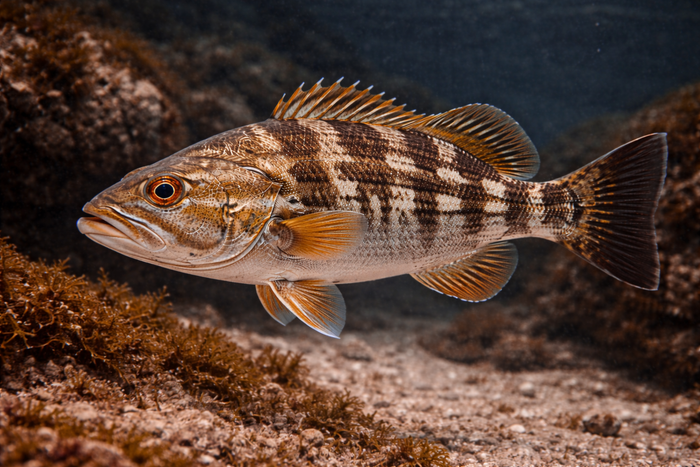
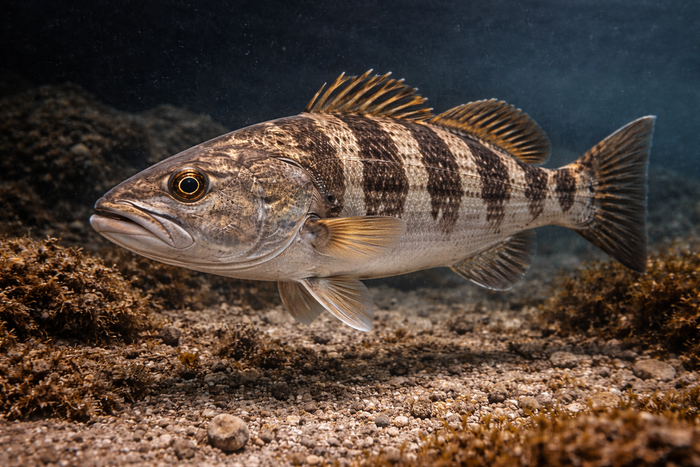
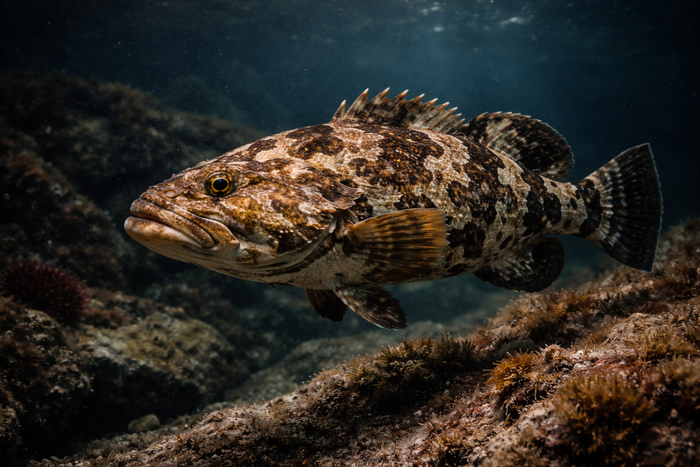
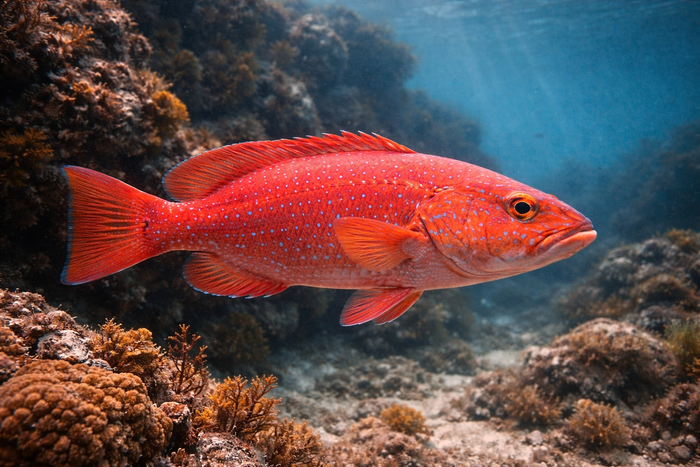
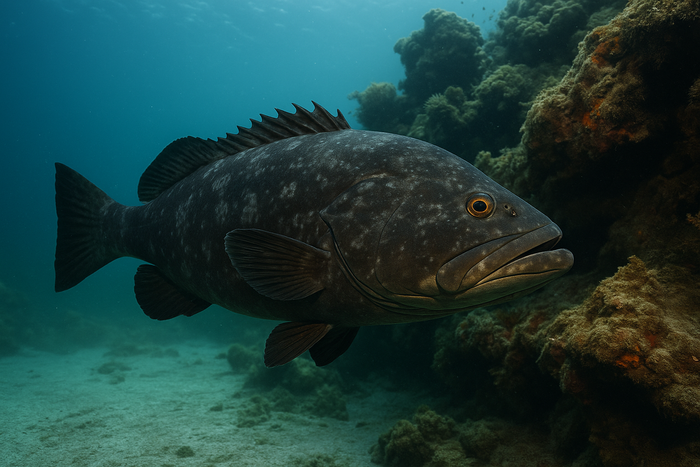
Unlike many bass species that rely on camouflage or speed alone, the Spotted Bay Bass combines a bold pattern with a muscular build, making it a formidable predator in its environment. Its body is marked with dark spots and vertical bars that break up its outline among rocky reefs and kelp beds. This visual signature isn’t just for show—it’s a tactical advantage for ambushing prey.
The Spotted Bay Bass also boasts a robust jaw and sharp teeth, allowing it to feed on a variety of smaller fish and invertebrates. Its adaptability in diet and habitat preference sets it apart from other bass species that might be more specialized. This fish is a master of coastal ambush, capable of sudden bursts of speed to snatch unsuspecting prey.
Habitat & Global Range
Spotted Bay Bass habitat is primarily concentrated along the Pacific coast of North America, from Southern California down through Baja California. They favor shallow, rocky reefs, kelp forests, and bays where structure provides ample cover. Unlike some bass that venture into open waters, the Spotted Bay Bass prefers the complexity of nearshore environments.
These fish are often found at depths ranging from just a few feet to around 60 feet, sticking close to the bottom where they can blend into the shadows. Their preference for structured habitats means they thrive in areas rich with algae, rocks, and submerged debris. This environment not only offers protection but also supports the diverse prey species they rely on.
Behavior & Temperament
Spotted Bay Bass are territorial and somewhat solitary hunters. They stake out prime ambush spots and defend them vigorously against intruders. Their hunting style is a mix of patience and explosive action—waiting motionless before lunging at prey with surprising speed.
While not aggressive toward humans, they can be feisty when hooked, making them a favorite among anglers who appreciate a spirited fight. Their territorial nature means they often return to the same spots, a behavior that can be exploited by savvy fishermen.
Ecological Importance
As mid-level predators, Spotted Bay Bass play a crucial role in maintaining the balance of coastal ecosystems. By preying on smaller fish and invertebrates, they help regulate populations that could otherwise overwhelm the habitat. Their presence supports the health of kelp forests and rocky reef communities by keeping prey species in check.
Moreover, they serve as prey for larger predators, including marine mammals and bigger fish, linking different trophic levels. This dual role underscores their importance in the food web and highlights why understanding Spotted Bay Bass facts is key to coastal conservation efforts.
Conservation & Environmental Pressures
Despite their resilience, Spotted Bay Bass face several environmental pressures. Habitat degradation from coastal development, pollution, and sedimentation threatens the rocky and kelp habitats they depend on. Overfishing, particularly in popular recreational areas, can also impact local populations.
Climate change adds another layer of complexity, altering water temperatures and affecting prey availability. While not currently listed as endangered, monitoring their populations is essential to prevent declines. Conservation measures focusing on habitat protection and sustainable fishing practices are critical to ensuring the Spotted Bay Bass remains a fixture of coastal ecosystems.
The FishyAF Take
The Spotted Bay Bass is a coastal warrior with a striking appearance and a vital ecological role. It’s a species that demands respect from anglers and conservationists alike. Understanding its behavior, habitat preferences, and ecological importance is more than trivia—it’s a blueprint for protecting a key player in nearshore marine environments.
For anyone serious about coastal fishing or marine biology, mastering Spotted Bay Bass facts is a must. This fish isn’t just another catch; it’s a symbol of the dynamic, interconnected world beneath the waves. Keep an eye on their habitats, respect their space, and appreciate the balance they help maintain. The Spotted Bay Bass is proof that sometimes the most memorable fish are the ones with a little edge and a lot of character.