Walleye Surfperch (Hyperprosopon argenteum): The Coastal Predator with Eyes That Mean Business
The Walleye Surfperch is not your average surf zone dweller. Sporting a name that hints at sharp vision and a predatory edge, this fish commands attention along the Pacific coast. Known scientifically as Hyperprosopon argenteum, it’s a standout species in the surfperch family, blending stealth, speed, and a striking silvery sheen. Whether you’re a coastal angler, marine biologist, or just a curious fish enthusiast, understanding the Walleye Surfperch means appreciating a fish that thrives where waves crash and currents churn.
What Makes the Walleye Surfperch Unique?
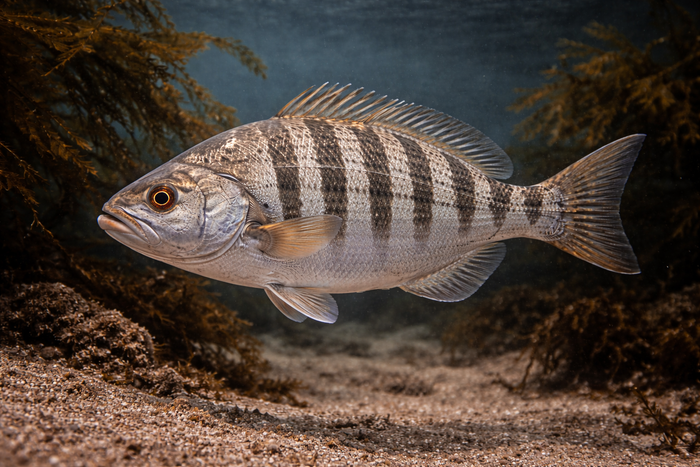
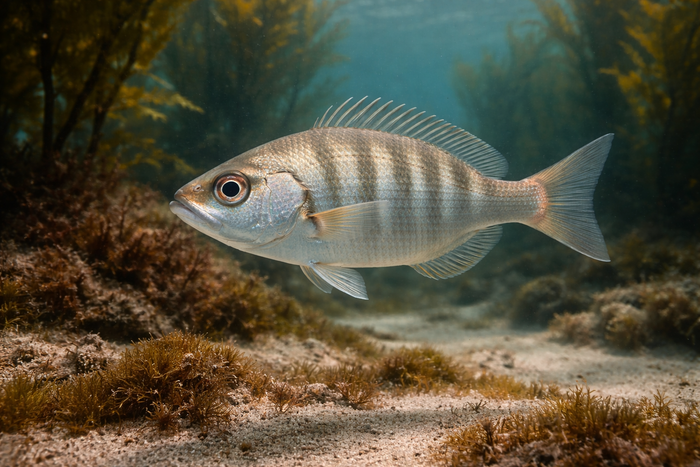
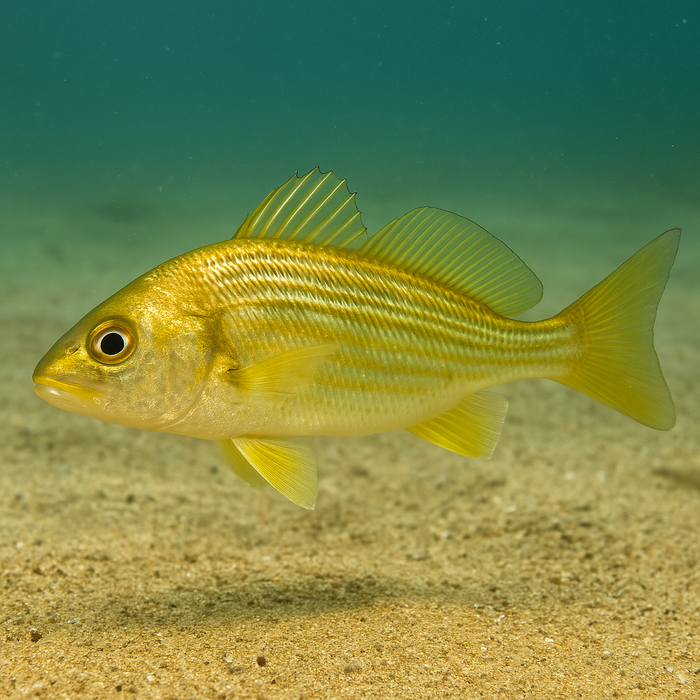
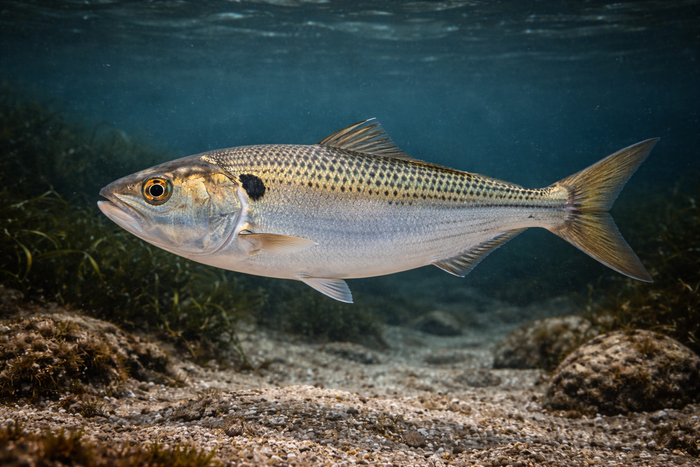
The Walleye Surfperch earns its name from its distinctive, large eyes—adaptations that give it a serious advantage in the often murky, turbulent waters of the surf zone. These eyes aren’t just for show; they enable the fish to detect prey and predators in low light and choppy conditions. Unlike many other surfperches, this species has a sleek, streamlined body covered in shiny, reflective scales that shimmer silver, making it a flash of light darting through the surf.
Another unique trait is its reproductive strategy. Walleye Surfperch are viviparous, meaning females give birth to live young rather than laying eggs. This method increases the survival rate of offspring in the rough surf environment, where eggs would be vulnerable to being washed away or eaten. The species also exhibits a relatively fast growth rate and early maturity, traits that help maintain its population despite the challenges of its dynamic habitat.
Habitat & Global Range
Walleye Surfperch habitat is strictly coastal, hugging the Pacific shoreline from Baja California up to central Oregon. They prefer sandy beaches and surf zones where waves break over shallow bottoms. This environment provides both abundant food and protection from larger predators.
Unlike some surfperches that venture into estuaries or deeper waters, the Walleye Surfperch sticks close to the surf line, often found in water depths ranging from just a few feet to around 20 meters. The constant movement of waves stirs up benthic invertebrates and small fish, providing a buffet for this opportunistic predator.
The species’ range is relatively narrow but dense, with populations concentrated in areas where sandy beaches meet rocky reefs or kelp beds. These transitional zones offer both shelter and feeding opportunities, making them ideal hotspots for Walleye Surfperch.
Behavior & Temperament
Walleye Surfperch behavior is a study in efficiency and adaptability. These fish are active hunters, relying on their keen eyesight to spot small crustaceans, worms, and juvenile fish stirred up by the surf. They exhibit schooling behavior, especially during feeding and spawning seasons, which provides safety in numbers and increases hunting success.
Temperament-wise, they are neither aggressive nor timid. They defend their territory when necessary but are more likely to dart away from threats than engage. Their agility in the surf zone is impressive, using bursts of speed and quick directional changes to navigate breaking waves and avoid predators.
Spawning occurs in late winter to early spring, with females migrating slightly offshore to give birth in calmer waters. This behavior reduces predation risk on newborns and ensures they enter the surf zone when food is plentiful.
Ecological Importance
The Walleye Surfperch plays a pivotal role in coastal ecosystems. As mid-level predators, they help control populations of small invertebrates and fish, maintaining balance in the surf zone food web. Their feeding activities also contribute to nutrient cycling by disturbing sediment and promoting benthic productivity.
Moreover, they serve as a vital food source for larger predators, including seabirds, seals, and larger fish species. Their presence indicates a healthy surf zone environment, as they require clean, oxygen-rich waters and abundant prey to thrive.
For anglers, the Walleye Surfperch is a prized catch, offering both sport and sustenance. Its abundance and accessibility make it an important species for recreational fishing communities along the West Coast.
Conservation & Environmental Pressures
Despite its robust populations, the Walleye Surfperch faces several environmental pressures. Coastal development and beach erosion threaten its sandy habitat, while pollution and runoff degrade water quality in surf zones. These factors can reduce prey availability and increase mortality rates.
Climate change adds another layer of complexity. Rising ocean temperatures and shifting current patterns may alter the distribution of both Walleye Surfperch and their prey. Ocean acidification could impact benthic invertebrates, indirectly affecting the surfperch’s food supply.
Fishing pressure is generally moderate, but localized overfishing can occur, especially in popular surf fishing spots. Fortunately, the species’ reproductive strategy and growth rate provide some resilience, but monitoring remains essential.
Conservation efforts focus on habitat protection, pollution control, and sustainable fishing practices. Maintaining healthy surfperch populations is crucial not only for ecosystem balance but also for the cultural and economic value they hold.
The FishyAF Take
The Walleye Surfperch is a master of the surf zone, a fish that combines evolutionary savvy with ecological importance. Its sharp eyes and live-bearing reproduction make it a standout among coastal species, perfectly adapted to a challenging environment. For anyone interested in coastal marine life or surf fishing, understanding Walleye Surfperch facts is key to appreciating the delicate balance of surf zone ecosystems.
This fish isn’t flashy in the traditional sense—it’s not a giant or a trophy species—but it’s a linchpin of the coastal food web. Its presence signals a healthy, functioning shoreline, and its behavior offers insights into the complex dance between predator and prey in one of the ocean’s most dynamic habitats.
If you’re hitting the beach with rod in hand or just scanning the surf for signs of life, keep an eye out for the silver flash of the Walleye Surfperch. It’s a reminder that beneath the crashing waves, a finely tuned predator is always on the hunt.