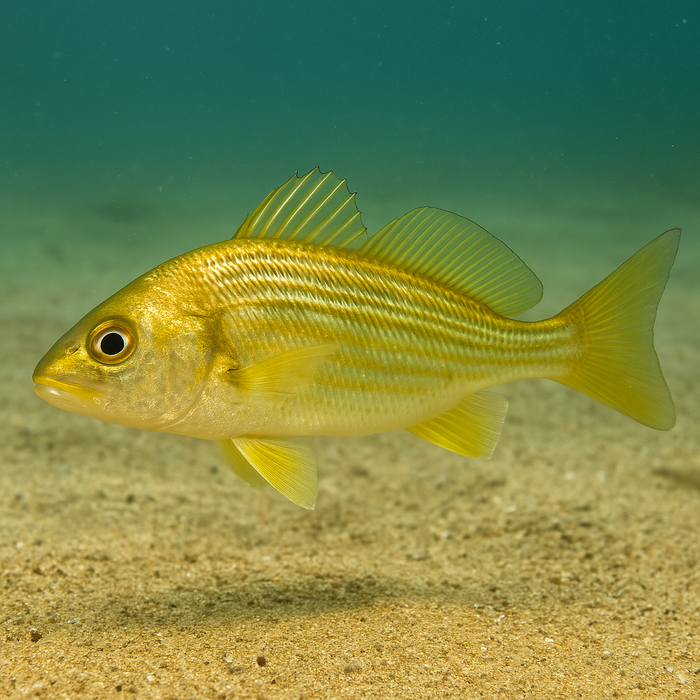
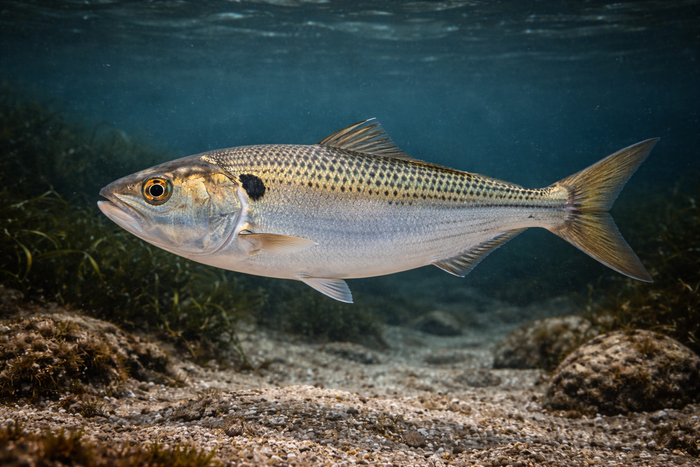
Black Surfperch (Embiotoca jacksoni): The Coastal Contender with Attitude
The Black Surfperch, Embiotoca jacksoni, is a standout species along the Pacific coast of North America. Known for its striking coloration and robust presence in nearshore waters, this fish commands attention both from anglers and marine biologists alike. It’s not just another surfperch; it’s a bold, adaptable species that thrives where the waves crash hardest. Understanding the Black Surfperch means diving into a world of coastal ecosystems, complex behaviors, and environmental challenges that shape its existence.
What Makes the Black Surfperch Unique?
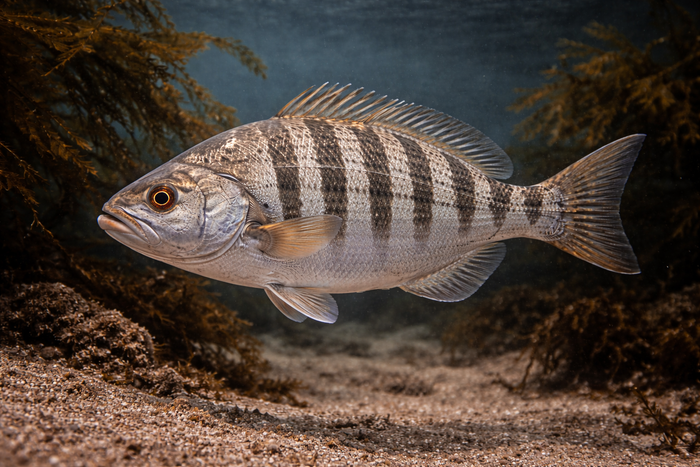
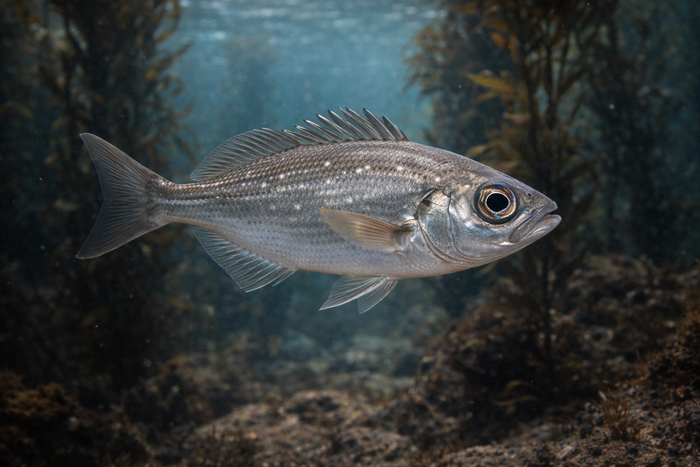
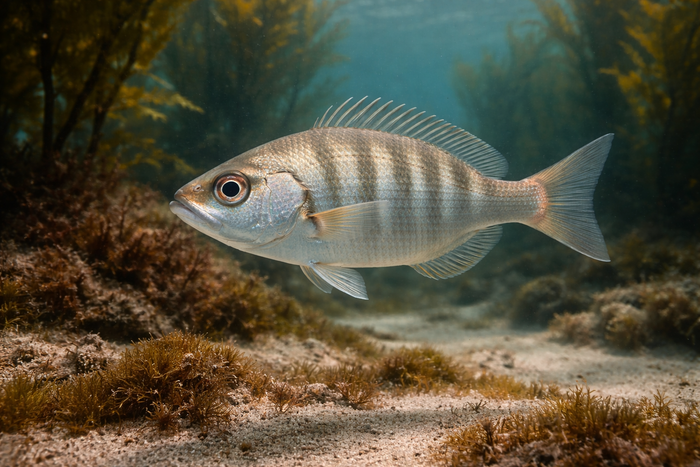
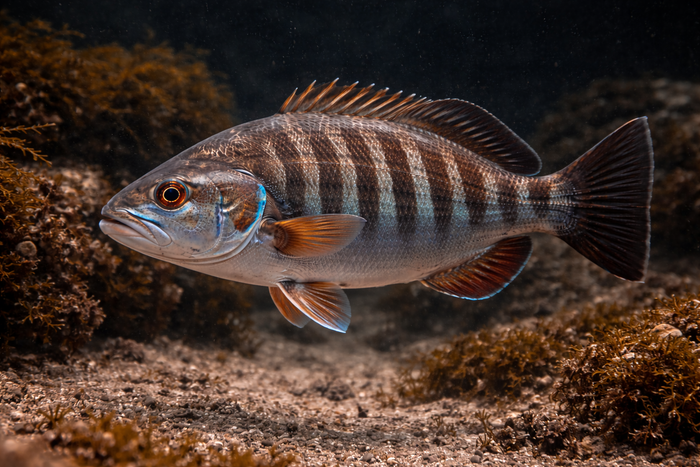
The Black Surfperch is a master of disguise and resilience. Unlike many of its relatives, it boasts a deep, laterally compressed body with a dark, almost black coloration that can shift subtly depending on mood and environment. This color adaptability is more than aesthetic; it’s a survival tool in the dynamic surf zone. Its distinctive vertical bars and sometimes mottled patterns break up its outline, providing camouflage against rocky reefs and kelp beds.
Biologically, the Black Surfperch is viviparous, meaning it gives birth to live young rather than laying eggs—a trait shared among surfperches but still remarkable in the fish world. This reproductive strategy offers its offspring a better chance at survival in turbulent coastal waters. Additionally, its diet is versatile, feeding on a mix of small invertebrates, crustaceans, and algae, which positions it as both predator and grazer in its ecosystem.
Habitat & Global Range
Black Surfperch habitat is a study in coastal toughness. These fish are found primarily along the western coast of North America, from central California down to Baja California. They favor the shallow, rocky surf zones where waves constantly churn the water and oxygenate the environment. This species thrives in kelp forests, rocky reefs, and sandy bottoms with ample cover.
Their preference for turbulent, nearshore waters means they are adapted to withstand strong currents and wave action. This habitat choice also places them at the frontline of coastal ecosystem dynamics, where nutrient exchange and predator-prey interactions are intense. The Black Surfperch’s ability to exploit this niche makes it a key player in the nearshore marine community.
Behavior & Temperament
Black Surfperch behavior is a mix of territoriality and social interaction. Males often establish and defend small territories during the breeding season, using their dark coloration and fin displays to intimidate rivals and attract females. Outside of breeding, they can be found schooling in loose groups, which offers protection from predators and increases foraging efficiency.
They are diurnal feeders, active during daylight hours when their prey is most accessible. Their foraging technique involves picking at the substrate and among kelp fronds, showing a keen ability to exploit a variety of food sources. Despite their bold appearance, Black Surfperch are wary and quick to dart into crevices or kelp when threatened.
Ecological Importance
The Black Surfperch plays a vital role in maintaining the balance of coastal ecosystems. By feeding on invertebrates and algae, they help regulate populations that could otherwise overwhelm the habitat. Their grazing on algae also supports the health of kelp forests, which are crucial for carbon sequestration and as nursery grounds for many marine species.
As prey, they provide a food source for larger fish, seabirds, and marine mammals, linking lower and higher trophic levels. Their reproductive strategy, producing relatively fewer but well-developed offspring, contributes to population stability, ensuring their continued role in the ecosystem.
Conservation & Environmental Pressures
Despite their adaptability, Black Surfperch face several environmental pressures. Coastal development, pollution, and habitat degradation threaten the rocky and kelp habitats they depend on. Sedimentation and runoff can smother kelp beds, reducing shelter and food availability. Overfishing is less of a direct threat due to their modest size and popularity, but bycatch and habitat disturbance from recreational activities can impact local populations.
Climate change adds another layer of complexity. Rising sea temperatures and ocean acidification affect kelp forest health and the invertebrate communities that Black Surfperch rely on. Monitoring their populations and habitat quality is essential for early detection of ecosystem shifts.
The FishyAF Take
The Black Surfperch is a prime example of coastal resilience and ecological finesse. It’s a species that doesn’t just survive the surf—it thrives in it, adapting to one of the most dynamic marine environments on the planet. For anglers, it offers a spirited fight and a chance to connect with the raw power of the Pacific coast. For conservationists, it’s a bellwether species signaling the health of nearshore ecosystems.
Understanding Black Surfperch facts and their habitat is more than academic; it’s a call to protect the rugged coastal zones that sustain them. These fish are not just part of the marine backdrop—they are active participants in the story of ocean health and biodiversity. Keep an eye on the Black Surfperch, because where they flourish, the coast is doing something right.