Atlantic Croaker (Micropogonias undulatus): The Sound-Making Bottom Feeder That Commands Attention
The Atlantic Croaker is no wallflower of the coastal waters. Known for the distinctive croaking sound it produces, this fish is a staple of the Atlantic coastline, from the Gulf of Mexico up to the northeastern United States. It’s a bottom-dweller with a knack for thriving in brackish and coastal environments, making it a favorite among anglers and ecologists alike. But there’s more to this species than just noise and numbers. Understanding the Atlantic Croaker means diving into its unique biology, behavior, and role in the ecosystem.
What Makes the Atlantic Croaker Unique?
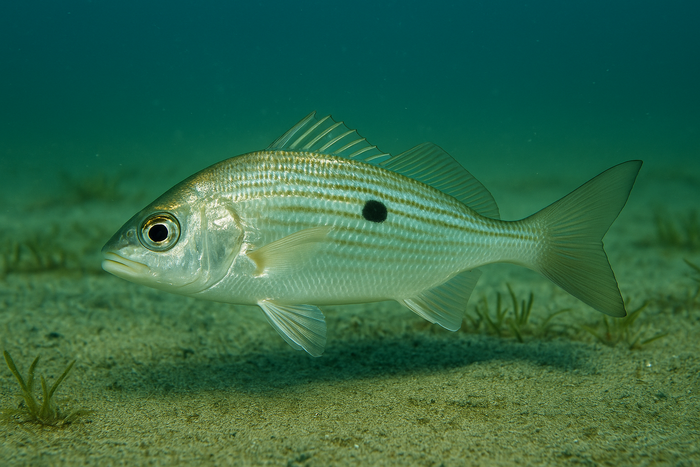
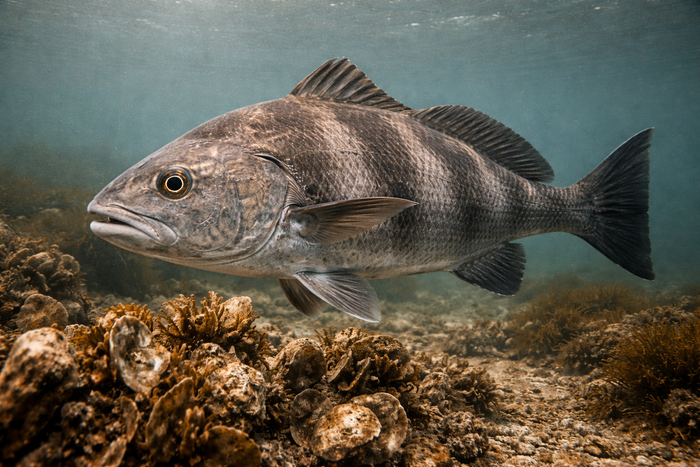
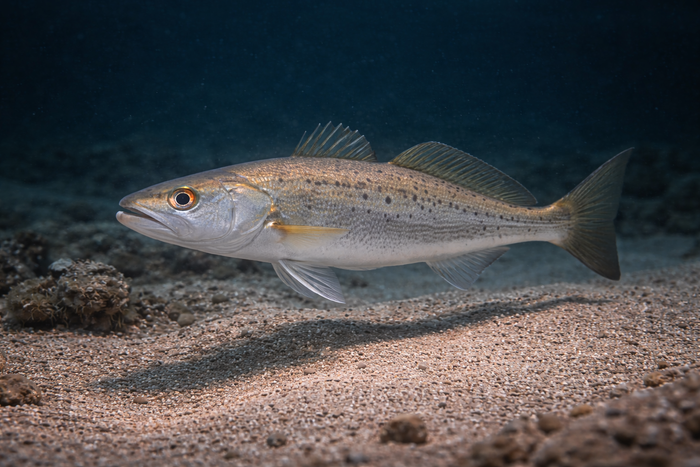
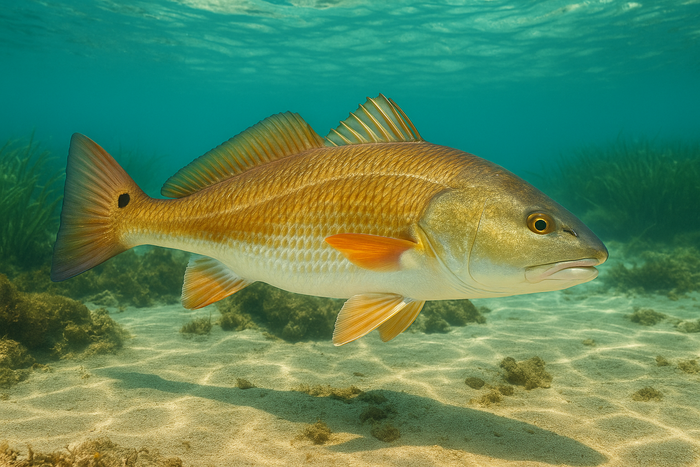
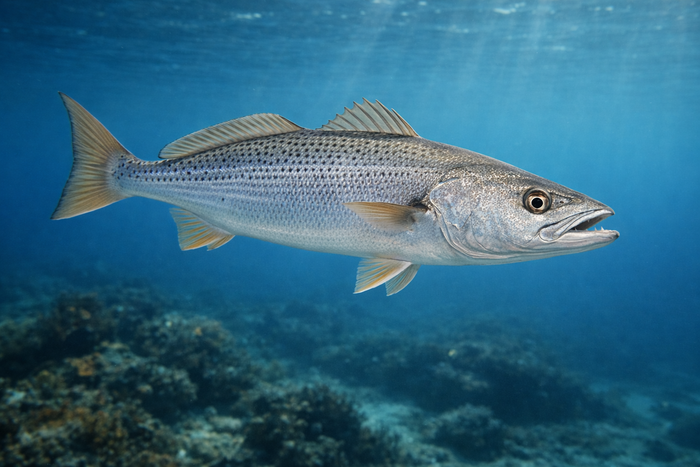
The Atlantic Croaker’s claim to fame is its ability to produce a croaking or drumming noise. This sound comes from specialized muscles that vibrate against its swim bladder, a feature that’s rare among fish. It’s not just a party trick; this croaking plays a role in communication during spawning and territorial displays. Beyond the noise, the Atlantic Croaker sports a silvery body with faint wavy lines along its sides, a subtle but distinctive pattern that gives it its scientific name, Micropogonias undulatus—‘undulatus’ referring to those wave-like markings.
Another standout trait is its adaptability. The Atlantic Croaker tolerates a wide range of salinities, thriving in estuaries, bays, and nearshore waters. This flexibility allows it to exploit various habitats, from muddy bottoms to sandy flats, making it a resilient species in fluctuating environments.
Habitat & Global Range
The Atlantic Croaker’s habitat spans the western Atlantic Ocean, from the Gulf of Mexico northward to the mid-Atlantic coast of the United States. It’s a coastal species, rarely venturing far offshore, preferring shallow waters where it can find abundant food and shelter. Estuaries and bays are prime real estate for this fish, especially where freshwater mixes with saltwater, creating nutrient-rich environments.
This species thrives in the Atlantic Croaker habitat characterized by soft substrates like mud and sand, which support its bottom-feeding lifestyle. Seasonal migrations are common, with croakers moving to deeper waters during colder months and returning to estuaries in warmer seasons to spawn. This pattern ensures access to optimal conditions for growth and reproduction.
Behavior & Temperament
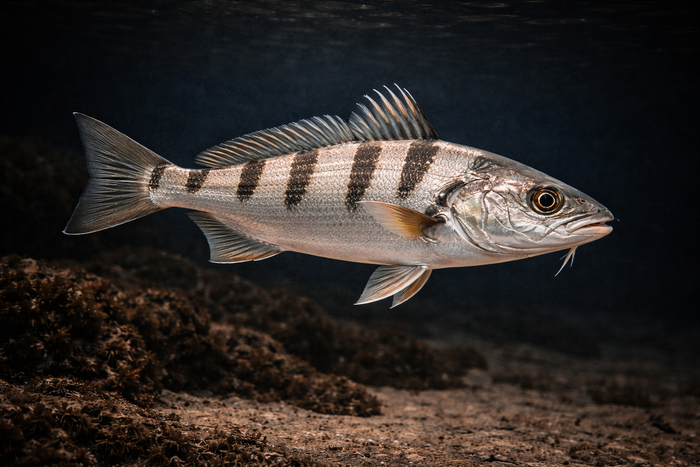
Atlantic Croakers are bottom feeders with a taste for crustaceans, small fish, and various invertebrates. They use their sensitive barbels—whisker-like organs near the mouth—to detect prey buried in sediment. This tactile hunting method suits their often murky, low-visibility environment.
Socially, Atlantic Croakers tend to form schools, especially during spawning season. Their croaking sounds increase during these times, serving as a communication tool to coordinate group behavior and possibly to attract mates. Despite their vocal nature, they are not aggressive fish. They exhibit a relatively calm temperament, which makes them accessible targets for anglers but also important players in the food web.
Ecological Importance
The Atlantic Croaker holds a vital position in coastal ecosystems. As a mid-level predator, it helps control populations of benthic invertebrates and small fish, maintaining balance in the food chain. At the same time, it serves as prey for larger predators such as sharks, dolphins, and larger fish species.
Its role extends to nutrient cycling as well. By disturbing the sediment during feeding, Atlantic Croakers contribute to the redistribution of organic material and oxygenation of the sea floor. This activity supports the health of benthic habitats, which are crucial for many marine organisms.
Conservation & Environmental Pressures
While the Atlantic Croaker is not currently listed as endangered, it faces several environmental pressures. Coastal development, pollution, and habitat degradation threaten the estuaries and bays it calls home. Runoff containing chemicals and sediments can alter water quality, affecting croaker populations and their prey.
Overfishing is another concern. Though not a primary target species, Atlantic Croakers are often caught as bycatch or targeted in recreational fisheries. Sustainable management practices are essential to prevent population declines, especially in areas where habitat loss compounds fishing pressure.
Climate change adds another layer of complexity. Rising water temperatures and shifting salinity patterns could disrupt the Atlantic Croaker habitat, affecting spawning cycles and food availability. Monitoring these changes is critical for long-term conservation efforts.
The FishyAF Take
The Atlantic Croaker is a fascinating species that deserves more spotlight than it usually gets. Its unique croaking ability sets it apart in the fish world, but its ecological role and adaptability are what truly make it a powerhouse of coastal ecosystems. For anglers, it offers a reliable and engaging catch; for scientists and conservationists, it’s a barometer of estuarine health.
If you’re serious about understanding coastal marine life, knowing your Atlantic Croaker facts is non-negotiable. This fish embodies resilience and complexity, thriving in dynamic environments while quietly shaping the underwater landscape. Keep an eye on its habitat and populations because the croaker’s health reflects the broader state of our coastal waters. Respect the croak—it’s nature’s signal that the ecosystem is alive and kicking.