Sand Trout (Cynoscion arenarius): The Coastal Predator That Commands Attention
The Sand Trout, Cynoscion arenarius, is a standout species in coastal waters, known for its sleek profile and predatory prowess. This fish isn’t just another member of the drum family; it’s a finely tuned hunter with adaptations that make it a key player in its ecosystem. Whether you’re a seasoned angler or a marine enthusiast, understanding the Sand Trout’s biology and behavior unlocks a deeper appreciation for this coastal carnivore.
What Makes the Sand Trout Unique?
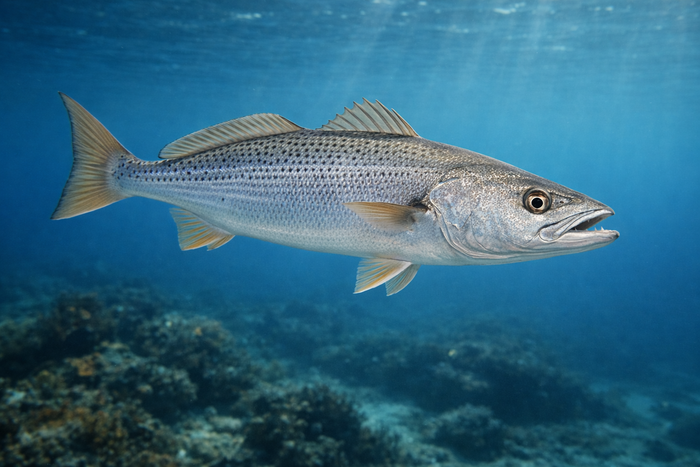
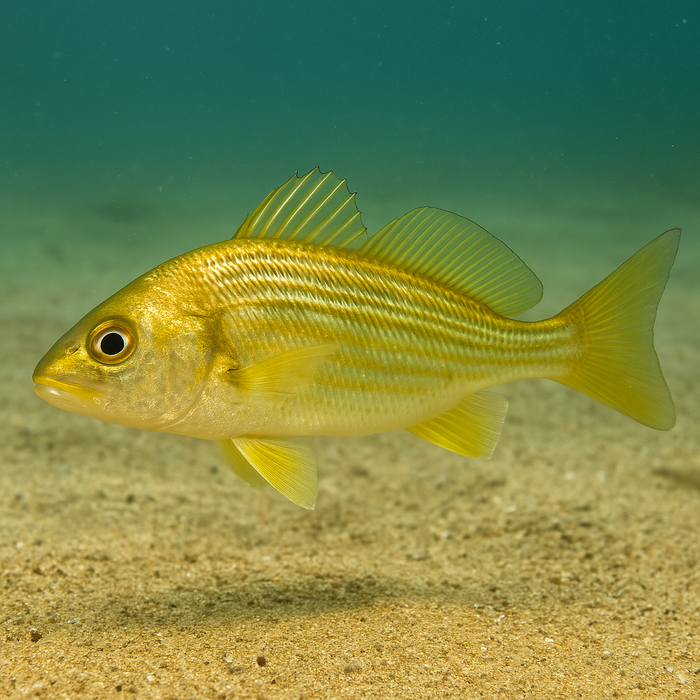
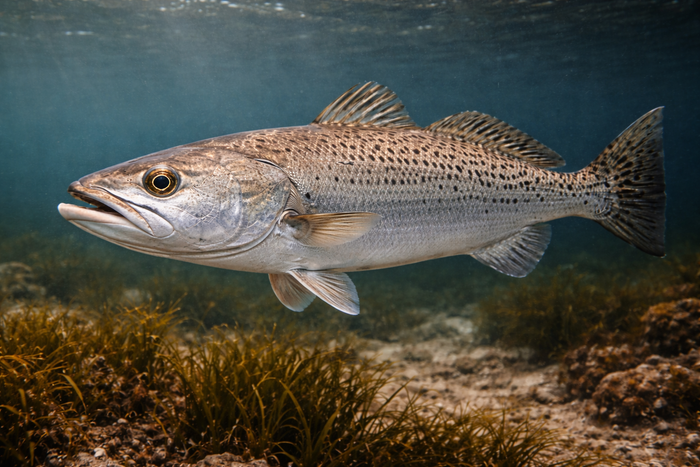
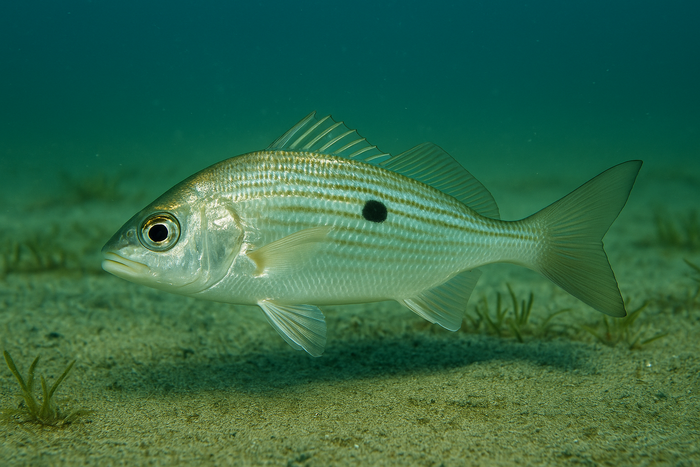
Sand Trout are part of the Sciaenidae family, commonly known as drums or croakers, but they bring their own flair to the table. Their elongated, silver bodies are built for speed and stealth, allowing them to ambush prey with precision. Unlike some of their relatives, Sand Trout have a distinctive sandy or yellowish tint that helps them blend seamlessly with the ocean floor, a perfect camouflage for a bottom-dwelling predator.
One of the most fascinating Sand Trout facts is their sonic ability. Like other drums, they produce croaking sounds by vibrating their swim bladders. This isn’t just noise; it’s a communication tool used during spawning and territorial displays. Their vocalizations add a layer of complexity to their social interactions, making them more than just silent hunters.
Habitat & Global Range
Sand Trout habitat is primarily shallow coastal waters, favoring sandy or muddy bottoms where they can exploit their camouflage. They are native to the eastern Pacific, ranging from the Gulf of California down to parts of Central America. These fish thrive in estuaries, bays, and nearshore environments where salinity fluctuates and food sources abound.
Their preference for warm, temperate waters means they’re rarely found far offshore or in deep oceanic zones. Instead, they patrol the continental shelf, often near seagrass beds and rocky outcrops. This habitat choice places them at a crucial intersection of marine ecosystems, where freshwater meets saltwater and biodiversity peaks.
Behavior & Temperament
Sand Trout are ambush predators with a taste for smaller fish and crustaceans. Their hunting strategy involves lying in wait, partially buried in the sand, before lunging at unsuspecting prey. This patient, calculated approach contrasts with the more aggressive chase tactics of some other coastal predators.
Socially, Sand Trout are moderately gregarious. They form loose schools, especially during spawning seasons, but don’t exhibit the tight schooling behavior seen in species like sardines or anchovies. Their temperaments lean toward cautious rather than confrontational, but they will defend their territory if provoked.
Their vocal croaks serve as both mating calls and warnings, adding a layer of communication that’s rare among many fish species. This acoustic behavior suggests a more complex social structure than their solitary hunting might imply.
Ecological Importance
Sand Trout play a pivotal role in coastal food webs. As mid-level predators, they regulate populations of smaller fish and invertebrates, maintaining balance within their habitat. Their presence indicates a healthy, functioning ecosystem, as they require clean, oxygen-rich waters and abundant prey.
They also serve as prey for larger predators such as sharks, larger fish, and marine mammals, making them an essential link in energy transfer across trophic levels. Their spawning aggregations provide seasonal feeding opportunities for a variety of species, further embedding them in the ecological fabric.
Conservation & Environmental Pressures
Despite their resilience, Sand Trout face mounting environmental pressures. Coastal development, pollution, and habitat degradation threaten the shallow waters they depend on. Estuarine environments, crucial for juvenile Sand Trout, are particularly vulnerable to human impact.
Overfishing is another concern. While not typically targeted as heavily as some game fish, Sand Trout are caught both commercially and recreationally. Unsustainable fishing practices can reduce their numbers and disrupt spawning aggregations.
Climate change adds another layer of complexity. Rising sea temperatures and ocean acidification can alter Sand Trout habitat, prey availability, and reproductive success. Monitoring and managing these pressures is critical to ensuring their long-term survival.
The FishyAF Take
Sand Trout aren’t just another coastal fish; they’re a finely adapted predator with a unique blend of stealth, communication, and ecological importance. Their ability to blend into sandy bottoms and produce croaking sounds makes them a fascinating subject for anyone interested in marine life.
Understanding Sand Trout facts and habitat nuances reveals how delicate and interconnected coastal ecosystems are. Protecting these fish means protecting the waters they inhabit, which benefits countless other species and human communities alike.
If you’re looking to deepen your marine knowledge or sharpen your fishing game, the Sand Trout demands attention. They’re a reminder that even the most unassuming fish have stories worth telling and roles worth respecting.