Speckled Trout (Cynoscion nebulosus): The Southern Bay’s Flashy Predator with a Taste for Action
Speckled Trout, also known as spotted seatrout, is a standout species in coastal waters from the Gulf of Mexico to the Atlantic coast. This fish isn’t just another pretty face in the saltwater crowd. It’s a savvy predator with a striking pattern and a reputation for putting up a fight that anglers respect. If you’re diving into Speckled Trout facts, prepare to meet a fish that’s as intriguing in behavior as it is in appearance.
What Makes the Speckled Trout Unique?
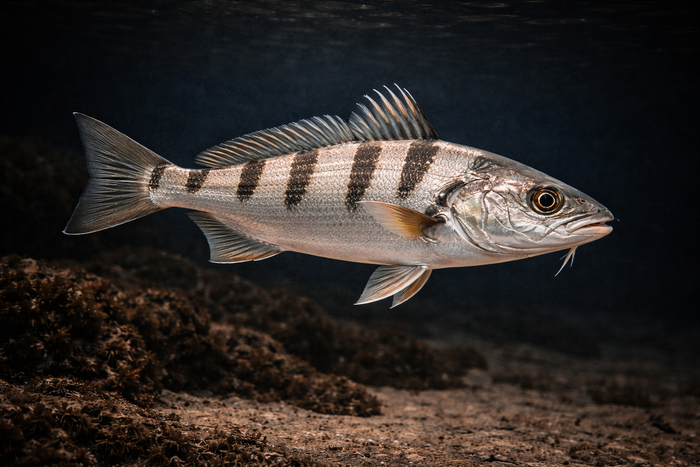
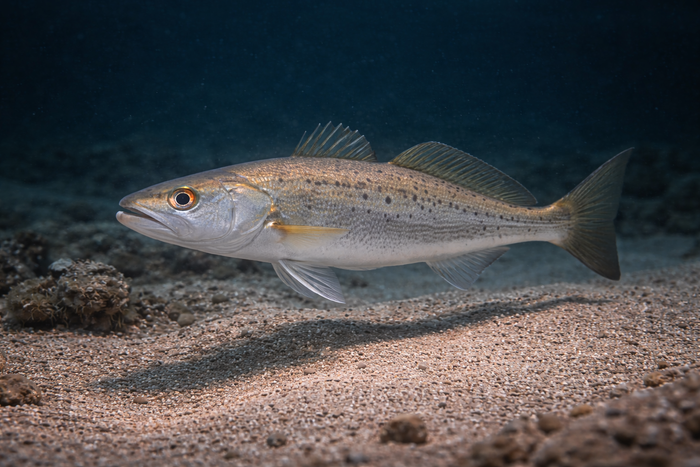
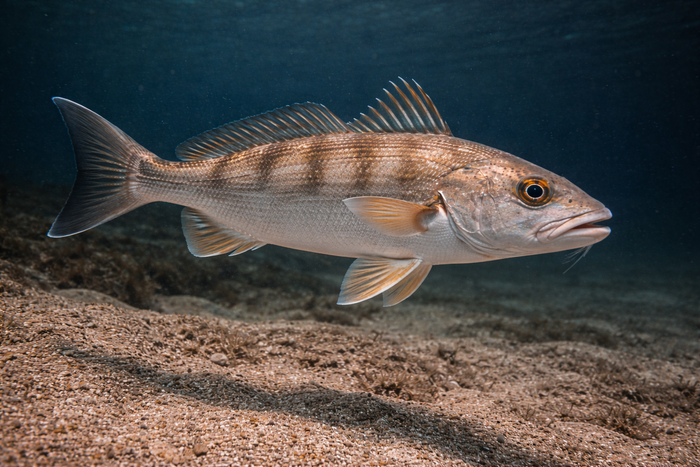
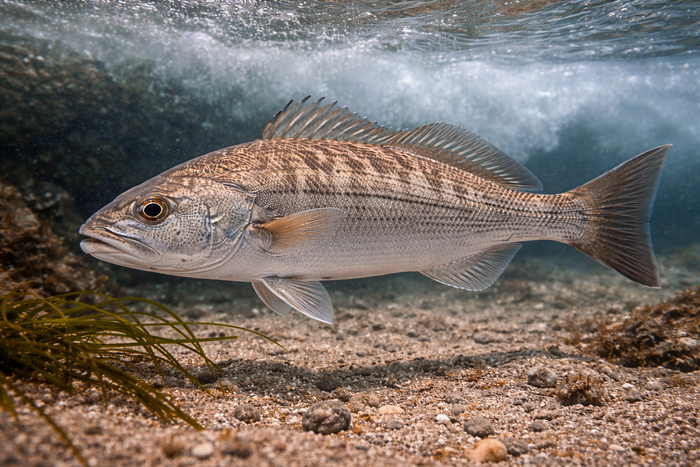
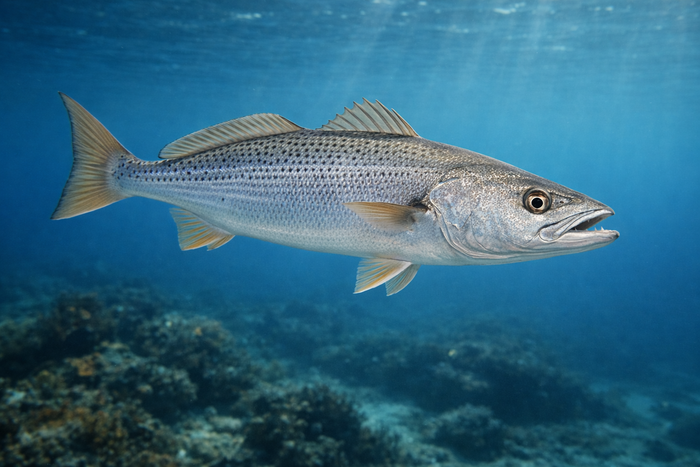
Speckled Trout’s signature feature is its silvery body adorned with dark spots scattered like ink drops across its back and sides. This pattern isn’t just for show—it’s a perfect camouflage against the sandy and grassy bottoms where it hunts. Unlike many other coastal fish, Speckled Trout has a slender, streamlined body built for quick bursts of speed and agility. Its sharp teeth and large mouth make it a formidable predator, feeding primarily on small fish and crustaceans.
What sets it apart further is its ability to thrive in a range of salinities, from brackish estuaries to full marine environments. This adaptability gives it a competitive edge, allowing it to exploit various habitats and food sources. Plus, Speckled Trout has a relatively long spawning season, which helps maintain its population despite fishing pressures.
Habitat & Global Range
Speckled Trout habitat spans the warm coastal waters of the southeastern United States, particularly from North Carolina down through Florida and westward along the Gulf Coast to Texas. They favor shallow bays, estuaries, and seagrass beds where water conditions are calm and food is abundant. These areas provide excellent cover and hunting grounds.
Speckled Trout are often found in waters ranging from 1 to 20 feet deep but can venture deeper when chasing prey or avoiding predators. Their preference for estuarine environments means they are closely tied to the health of coastal wetlands and marshes. These habitats are critical nursery grounds for juveniles, offering protection and plentiful food.
Behavior & Temperament
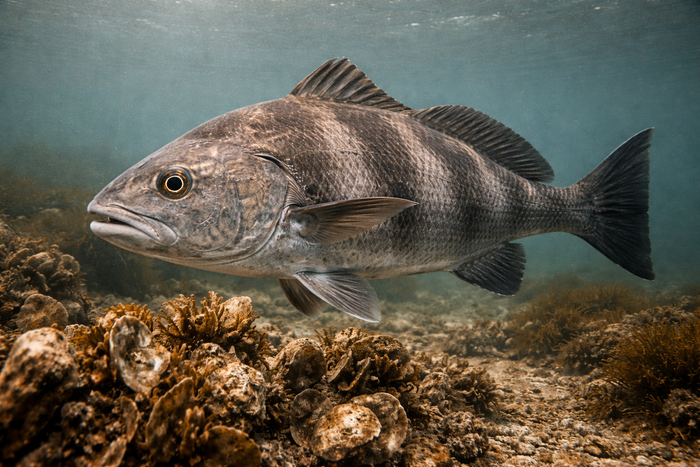
Speckled Trout are ambush predators with a hunting style that’s all about patience and precision. They lurk near the bottom or around structures like oyster reefs and submerged vegetation, waiting for the right moment to strike. When prey appears, they explode into action with lightning-fast lunges.
They are mostly solitary hunters but can be found schooling during certain times, especially in cooler months or when following baitfish. Their temperament is cautious but opportunistic, making them a challenging target for anglers who need to understand their feeding patterns and preferred cover.
Speckled Trout are also known for their sensitivity to environmental changes. They respond quickly to shifts in water temperature, salinity, and oxygen levels, often moving to more favorable areas. This behavior makes them excellent indicators of estuarine ecosystem health.
Ecological Importance
Speckled Trout plays a vital role in coastal food webs. As mid-level predators, they help regulate populations of smaller fish and invertebrates, maintaining balance in their ecosystems. Their feeding habits influence the distribution and abundance of prey species, which in turn affects the broader community structure.
They also serve as prey for larger predators like sharks, dolphins, and birds, linking multiple trophic levels. The health of Speckled Trout populations can reflect the overall condition of estuarine environments, making them a valuable species for monitoring ecosystem integrity.
Conservation & Environmental Pressures
Despite their resilience, Speckled Trout face significant challenges. Habitat loss due to coastal development, pollution, and wetland degradation threatens the estuaries and seagrass beds they depend on. Nutrient runoff and sedimentation can reduce water quality, impacting their spawning and juvenile survival rates.
Overfishing is another concern. Speckled Trout is a popular target for recreational anglers, and without proper management, populations can decline. Fortunately, many regions have implemented size and bag limits, seasonal closures, and habitat restoration projects to support sustainable populations.
Climate change adds another layer of complexity, altering water temperatures and salinity patterns. These changes can disrupt spawning cycles and habitat availability, forcing Speckled Trout to adapt or relocate. Ongoing monitoring and adaptive management are crucial to ensure this species continues to thrive.
The FishyAF Take
Speckled Trout is more than just a trophy fish; it’s a dynamic player in coastal ecosystems with a unique blend of adaptability, predatory skill, and ecological significance. Understanding Speckled Trout facts and habitat is key to appreciating why this species commands respect from anglers and conservationists alike.
If you want to catch one, you need to think like a Speckled Trout—know where it hides, what it eats, and how it moves with the tides. Protecting its habitat isn’t just good for the fish; it’s essential for the health of entire coastal communities. Speckled Trout reminds us that beneath the surface of our bays and estuaries lies a complex world worth preserving and understanding.