Northern Kingfish (Menticirrhus saxatilis): The Coastal Scavenger That Rules the Shallows
The Northern Kingfish is no ordinary bottom dweller. Sporting a sleek, silvery body and a distinctive chin barbel, this fish prowls the shallow coastal waters of the western Atlantic with a mix of stealth and efficiency. Known for its bold feeding habits and resilience, the Northern Kingfish is a staple for anglers and an essential player in nearshore ecosystems. If you want to understand a fish that’s equal parts survivor and opportunist, the Northern Kingfish deserves your attention.
What Makes the Northern Kingfish Unique?
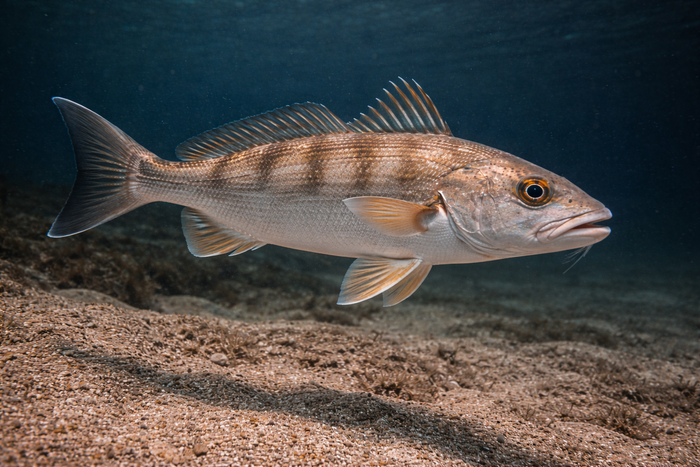
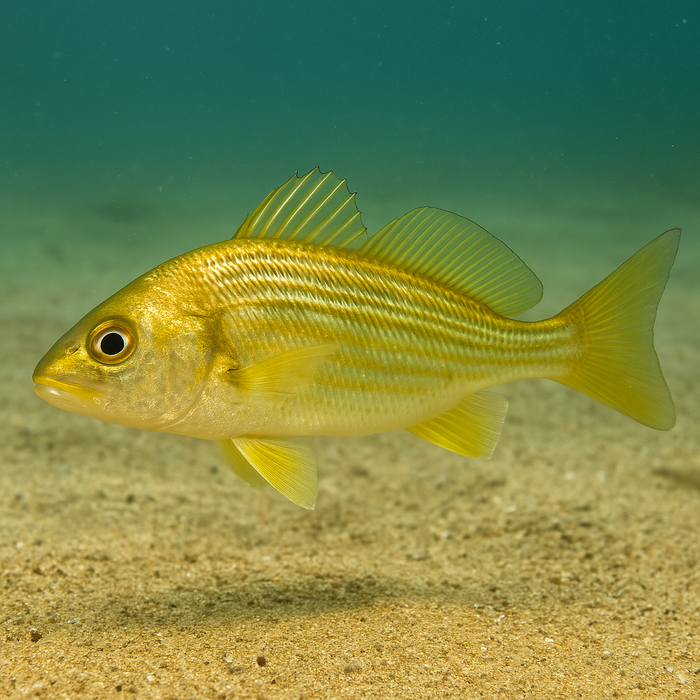
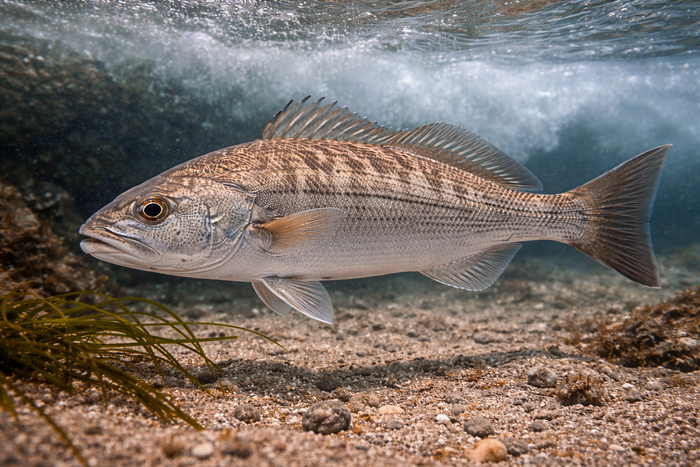
Forget flashy colors or giant teeth. The Northern Kingfish’s claim to fame lies in its specialized feeding strategy and physical adaptations. That chin barbel isn’t just for show—it’s a sensory tool packed with taste buds and nerve endings, allowing the fish to sniff out prey buried in sand or mud. This bottom-feeder thrives on crustaceans, small fish, and worms, detecting them even when visibility is zero.
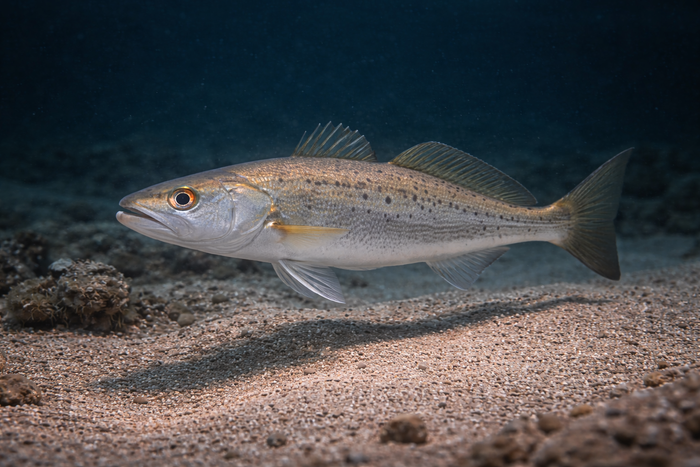
Its body shape is streamlined but sturdy, built for quick bursts of speed along the seafloor. Unlike many coastal fish that dart and hide, the Northern Kingfish is a confident scavenger, often seen cruising just above the substrate. Its mouth is slightly downturned, perfect for scooping up whatever it can find. This combination of sensory precision and feeding versatility sets it apart from other surf zone species.
Habitat & Global Range
Northern Kingfish habitat is all about the interface between land and sea. They prefer sandy or muddy bottoms in shallow waters, typically from the surf zone out to depths of around 30 meters. You’ll find them along the Atlantic coast of North America, ranging from Nova Scotia down to northern Florida. They’re most common in estuaries, bays, and nearshore waters where currents stir up the bottom and bring a steady supply of food.
Seasonally, these fish move with the water temperature. In colder months, they head south to avoid freezing waters, then return north as spring warms the coast. Their presence in both brackish and fully marine environments shows a remarkable adaptability to salinity changes, making Northern Kingfish habitat preferences broad but specific to certain bottom types and temperature ranges.
Behavior & Temperament
Northern Kingfish behavior is a study in patience and opportunism. They’re not aggressive hunters but rather methodical foragers. Using their barbels, they sift through sediment, detecting prey without relying on sight. This makes them active during both day and night, though they often feed more aggressively under low light conditions.
They tend to be solitary or found in small groups, especially during spawning seasons. Unlike territorial species, Northern Kingfish show little aggression toward conspecifics, focusing instead on maximizing feeding opportunities. Their temperament is calm but alert, always ready to dart away from predators but equally ready to exploit any food source.
Ecological Importance
Northern Kingfish play a crucial role in coastal food webs. By feeding on benthic invertebrates and small fish, they help regulate populations of these species, maintaining ecological balance. Their scavenging behavior also contributes to nutrient cycling, breaking down organic matter and redistributing it through the ecosystem.
They serve as prey for larger predators such as sharks, larger fish, and seabirds, linking lower trophic levels to apex consumers. This makes them an important conduit for energy transfer in nearshore environments. Their presence is often an indicator of healthy sandy or muddy bottom habitats, reflecting the overall condition of the coastal ecosystem.
Conservation & Environmental Pressures
Despite their resilience, Northern Kingfish face several environmental pressures. Coastal development, pollution, and habitat degradation threaten the shallow waters they depend on. Sediment disruption from dredging and construction can destroy feeding grounds, while contaminants accumulate in estuarine environments, impacting fish health.
Overfishing is a localized concern, especially where recreational and commercial fishing overlap. Though not typically targeted as a primary species, Northern Kingfish are often caught as bycatch or in mixed-species fisheries. Climate change also poses a long-term risk, altering water temperatures and salinity patterns that define their habitat range.
Conservation efforts focus on protecting estuarine and nearshore habitats, enforcing sustainable fishing practices, and monitoring population trends. Maintaining clean, undisturbed coastal waters is essential for the Northern Kingfish to continue thriving.
The FishyAF Take
Northern Kingfish facts reveal a species that’s quietly indispensable to coastal ecosystems. They’re not flashy or aggressive, but they get the job done with a sensory toolkit and feeding finesse that few fish can match. If you’re fishing the surf or exploring estuaries, spotting a Northern Kingfish means you’re in a healthy, dynamic environment.
Their adaptability to changing conditions and broad habitat range make them a resilient species, but they’re not invincible. Protecting Northern Kingfish habitat means safeguarding the complex web of life in our coastal waters. For anglers and conservationists alike, the Northern Kingfish is a reminder that sometimes the most unassuming fish are the ones holding the ecosystem together.