Spot (Leiostomus xanthurus): The Coastal Charmer That Packs a Punch in Every Cast
If you’ve ever fished the Atlantic coast or Gulf of Mexico, you’ve probably tangled with the Spot. This unassuming little fish is a staple of inshore waters, known for its distinctive black spot near the gill cover and its feisty fight on light tackle. The Spot, scientifically named Leiostomus xanthurus, is more than just bait or a bycatch; it’s a resilient species with a fascinating life history and a vital role in coastal ecosystems. Here’s the lowdown on Spot facts that every angler and marine enthusiast should know.
What Makes the Spot Unique?
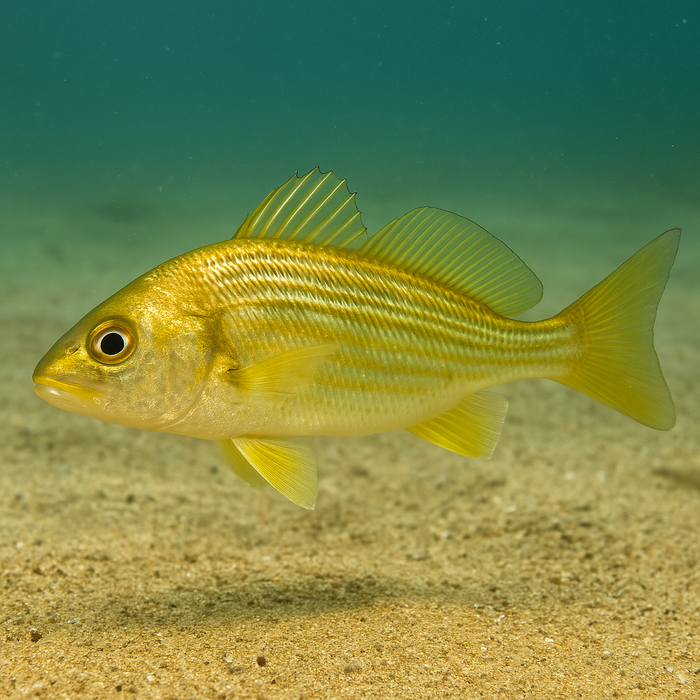
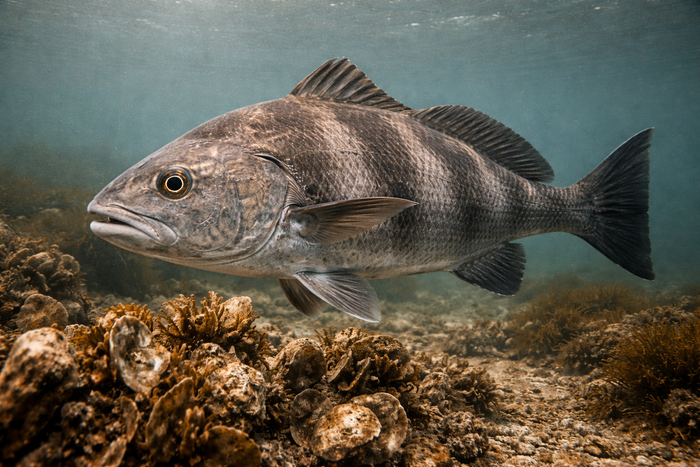
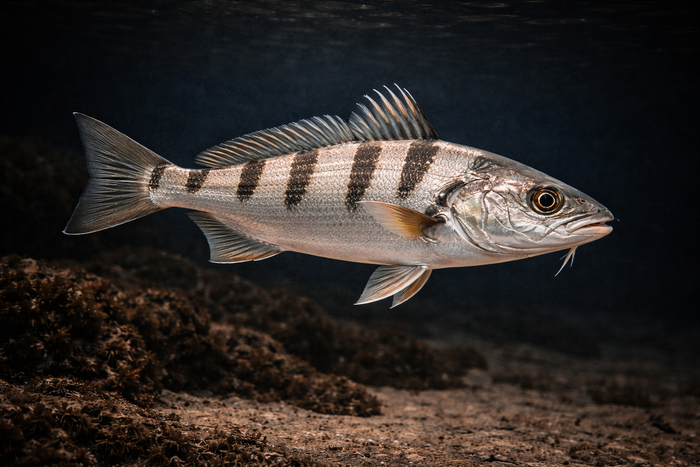
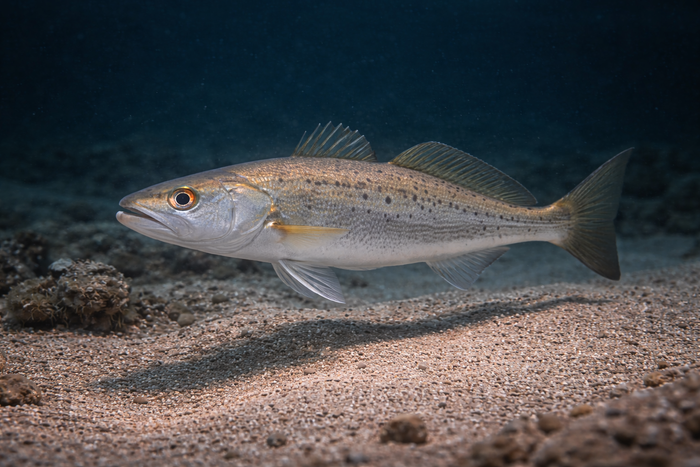
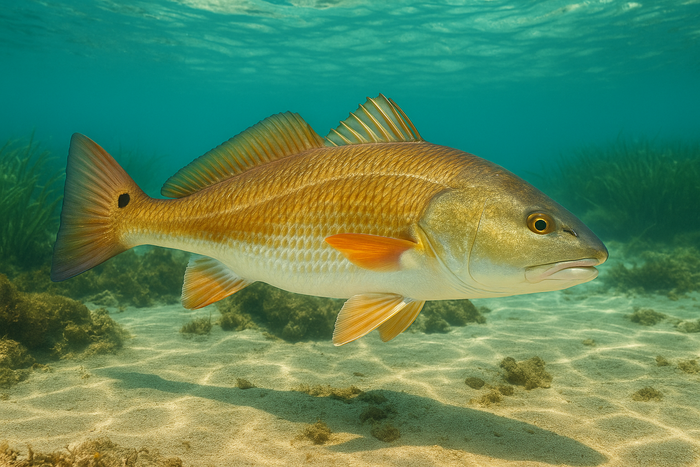
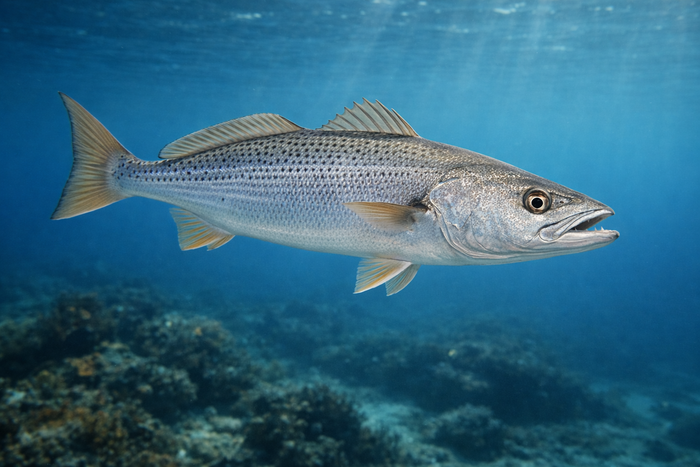
The Spot’s signature feature is, no surprise, the bold black spot on each side of its body just behind the gill cover. This marking isn’t just for show—it’s a key identification trait that sets it apart from similar species like the Atlantic croaker. But the Spot’s uniqueness goes beyond its looks. It boasts a silvery, streamlined body with faint horizontal stripes and a yellowish tint on its tail fin, which gives it the scientific name xanthurus, meaning “yellow tail.”
What really distinguishes the Spot is its adaptability. It thrives in a range of salinities, from fresh to brackish to full marine environments. This flexibility allows it to exploit estuaries, bays, and coastal waters, making it a true jack-of-all-trades in terms of habitat. Its diet is equally versatile, feasting on small crustaceans, worms, and detritus, which it picks from the bottom with a protrusible mouth designed for precision.
Habitat & Global Range
Spot habitat spans the western Atlantic coastline, from the Gulf of St. Lawrence in Canada all the way down to the Gulf of Mexico and northern Florida. They are primarily estuarine fish, favoring shallow waters with sandy or muddy bottoms where they can root around for food. Spots are often found in seagrass beds, tidal creeks, and near oyster reefs—places rich in the invertebrates they love to munch.
Seasonal migrations are part of their routine. In colder months, Spots move to deeper, warmer waters offshore, returning to estuaries and coastal shallows as temperatures rise. This movement pattern is crucial for their survival and reproduction, as estuaries serve as nursery grounds for juveniles.
Behavior & Temperament
Don’t let their size fool you. Spots are scrappy fighters, making them a favorite among light tackle anglers. They school tightly, which can make for exciting chases when a predator or angler disturbs their ranks. Their schooling behavior also offers protection, reducing individual risk from predators.
Spots are bottom feeders but not lazy about it. They use their specialized mouths to vacuum up prey from sediment, often stirring up clouds of silt as they forage. This active feeding behavior supports their rapid growth and high reproductive output.
Ecological Importance
Spot are a linchpin in coastal food webs. They serve as both predator and prey, controlling populations of small invertebrates while providing a vital food source for larger fish, birds, and marine mammals. Their foraging helps recycle nutrients in estuarine environments, promoting healthy sediment turnover and benthic community dynamics.
Juvenile Spots are especially important in nursery habitats, where their presence signals a healthy estuarine ecosystem. They contribute to the energy flow from lower to higher trophic levels, making them an essential link in the chain.
Conservation & Environmental Pressures
Despite their abundance, Spots face environmental pressures that could impact their populations. Habitat degradation from coastal development, pollution, and sedimentation threatens the estuaries and seagrass beds they depend on. Changes in water quality, including hypoxia and increased turbidity, can reduce their feeding efficiency and reproductive success.
Fishing pressure is generally moderate, as Spots are often caught incidentally or targeted for bait. However, overharvesting in some areas could pose localized risks. Climate change adds another layer of uncertainty, potentially altering their migratory patterns and habitat availability through shifts in temperature and salinity.
The FishyAF Take
The Spot is a small fish with a big role. It’s a species that demands respect for its ecological importance and resilience. For anglers, it offers a spirited fight and a chance to connect with the pulse of coastal waters. For conservationists, it’s a reminder that even common species need healthy habitats to thrive.
Understanding Spot facts and Spot habitat is key to managing coastal fisheries and preserving the delicate balance of estuarine ecosystems. Keep an eye on water quality and habitat protection efforts if you want to keep seeing these bold little fighters schooling near shore. The Spot isn’t just bait or bycatch—it’s a coastal icon that deserves a spot in your fish knowledge arsenal.