Black Drum (Pogonias cromis): The Big, Brassy Bottom-Feeder That Commands Respect
The Black Drum is no wallflower. This hefty, brassy-hued fish prowls coastal waters with a presence that’s impossible to ignore. Known for its distinctive drumming sounds and impressive size, the Black Drum is a staple of estuaries and bays along the Atlantic and Gulf coasts. It’s a species that demands attention from anglers and marine biologists alike, blending brute strength with intriguing biology. If you’re diving into Black Drum facts, prepare for a deep dive into a fish that’s as bold as its name suggests.
What Makes the Black Drum Unique?
Black Drum stands out for several reasons, starting with its signature “drumming” noise. This sound comes from specialized muscles vibrating against its swim bladder, a communication method that’s rare and fascinating. The drumming is most prominent during spawning season, acting as a mating call that resonates through murky waters.
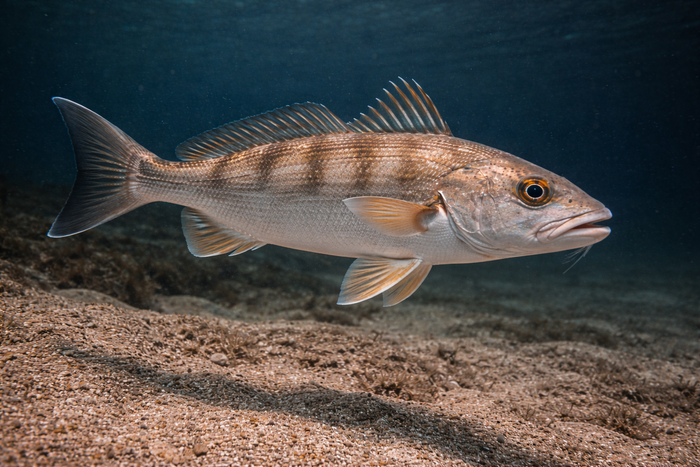
Physically, the Black Drum sports a high-backed body covered in rough scales and boasts barbels—those whisker-like appendages—under its chin. These barbels are sensory goldmines, helping the fish locate prey buried in sediment. Unlike many game fish that chase fast-moving targets, Black Drum prefers to root around the bottom, feeding on mollusks, crustaceans, and small fish.
Another standout trait is its size. Black Drum can grow impressively large, with some individuals tipping the scales well over 100 pounds. This size, combined with their strength and stubborn fight, makes them a prized catch for anglers who want a challenge beyond the typical saltwater fare.
Habitat & Global Range
Black Drum habitat is primarily coastal and estuarine, favoring brackish waters where rivers meet the sea. Their range stretches along the western Atlantic from Nova Scotia down through the Gulf of Mexico and into parts of the Caribbean. They thrive in bays, tidal creeks, and nearshore waters with sandy or muddy bottoms.
These fish are adaptable. Juveniles often inhabit shallow estuaries and marshes, where they find shelter and abundant food. Adults move into deeper waters but rarely stray far from the coast. Their preference for bottom habitats rich in shellfish makes them a key player in these ecosystems.
Seasonal migrations occur, with Black Drum moving offshore in colder months and returning to estuaries in spring and summer to spawn. This cyclical movement is tightly linked to water temperature and salinity, factors that define their Black Drum habitat preferences.
Behavior & Temperament
Black Drum behavior is a mix of bottom-feeding stealth and occasional bursts of power. They spend much of their time foraging along the seabed, using their barbels to detect prey hidden under sediment. Their diet mainly consists of oysters, clams, crabs, and small fish, which they crush with powerful pharyngeal teeth.
Despite their size, Black Drum are not aggressive predators. They’re more opportunistic feeders, relying on their sensory adaptations rather than speed or ambush tactics. When hooked, however, their temperament shifts dramatically. They become fighters, using their weight and stamina to pull hard against anglers, often diving toward structure or deep water to escape.
Socially, Black Drum can be solitary or found in small groups, especially during spawning. Their drumming communication plays a role in mating rituals and possibly territorial displays. Outside of breeding season, they tend to be more dispersed.
Ecological Importance
Black Drum play a crucial role in coastal ecosystems. By feeding heavily on benthic invertebrates like oysters and crabs, they help regulate these populations, maintaining a balance in the food web. Their foraging behavior also stirs up sediment, which can aid nutrient cycling in estuarine environments.
Moreover, Black Drum serve as prey for larger predators, including sharks and alligators, linking lower and higher trophic levels. Their presence indicates healthy estuarine systems, as they require clean, productive habitats to thrive.
In commercial and recreational fisheries, Black Drum contribute economically and culturally. They support local economies through sport fishing and provide a sustainable seafood option when managed properly.
Conservation & Environmental Pressures
While Black Drum populations are generally stable, they face several environmental pressures. Habitat degradation is a primary concern. Coastal development, pollution, and sedimentation threaten the estuaries and bays that Black Drum depend on. Loss of oyster reefs and seagrass beds reduces available food and shelter.
Overfishing can also impact local populations, especially since large, mature Black Drum are critical for reproduction. Regulations like size limits and seasonal closures help mitigate this, but enforcement and compliance vary by region.
Climate change adds another layer of complexity. Shifts in water temperature and salinity can alter Black Drum habitat and spawning cycles, potentially disrupting their life history patterns.
The FishyAF Take
Black Drum are the unsung heavyweights of coastal waters. They don’t flash bright colors or chase bait balls, but their drumming calls and bottom-feeding prowess make them fascinating subjects of study and worthy adversaries on the line. Understanding Black Drum facts means appreciating a fish that’s both a guardian of estuarine health and a test of angler skill.
Their unique adaptations—barbels, drumming muscles, and crushing teeth—showcase evolution’s knack for specialization. Their habitat preferences remind us how vital healthy coastal ecosystems are, not just for fish but for the entire marine food web.
If you’re serious about saltwater fishing or marine biology, Black Drum deserve a spot on your radar. They’re a reminder that sometimes the most memorable fish aren’t the flashiest but those with character, resilience, and a story to tell beneath the waves.