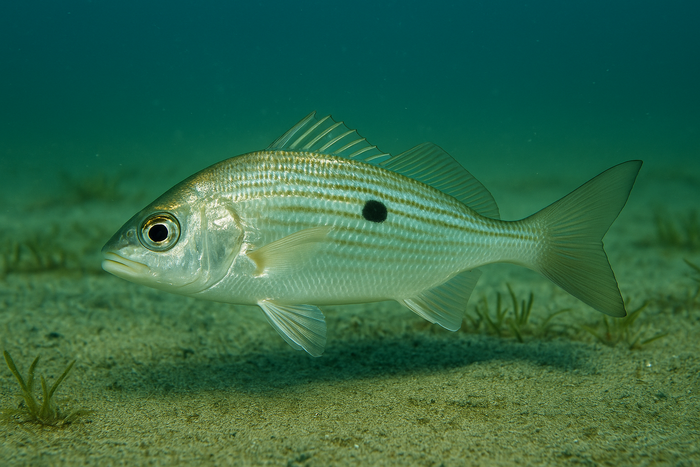
Gulf Kingfish (Menticirrhus littoralis): The Coastal Scavenger That Rules the Shallow Sands
The Gulf Kingfish is not your average bottom dweller. This scrappy, sand-sifting predator commands attention along the Gulf of Mexico’s coastal waters with its distinctive chin barbels and relentless appetite for crustaceans and small fish. Known scientifically as Menticirrhus littoralis, the Gulf Kingfish is a master of the shallow sandy flats, where it prowls with a mix of stealth and brute efficiency. If you’re after Gulf Kingfish facts that go beyond the basics, you’re in the right place. This species is a fascinating example of adaptation and ecological balance in coastal marine ecosystems.
What Makes the Gulf Kingfish Unique?
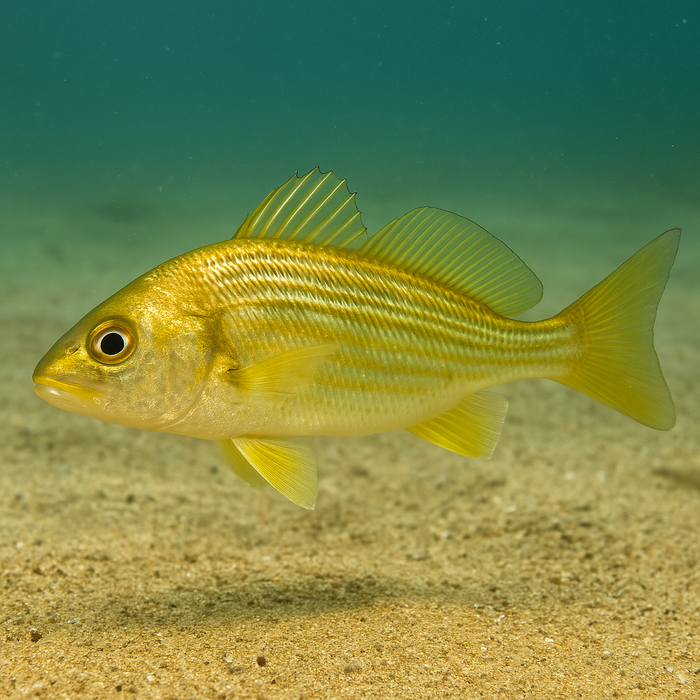
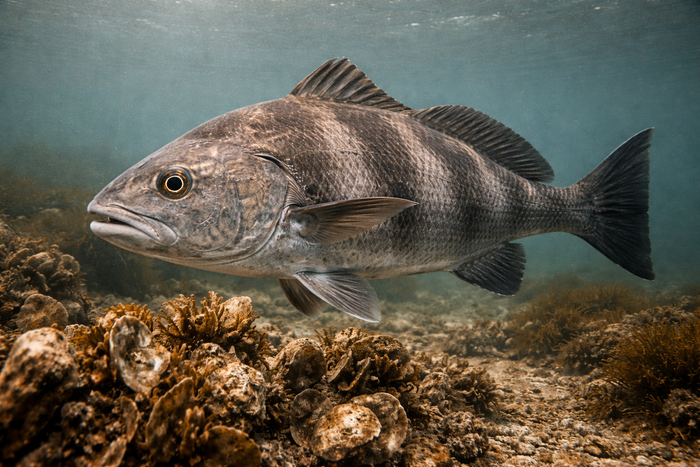
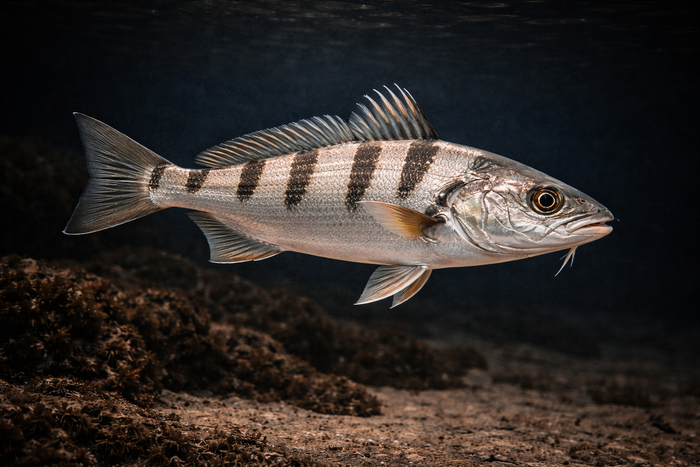
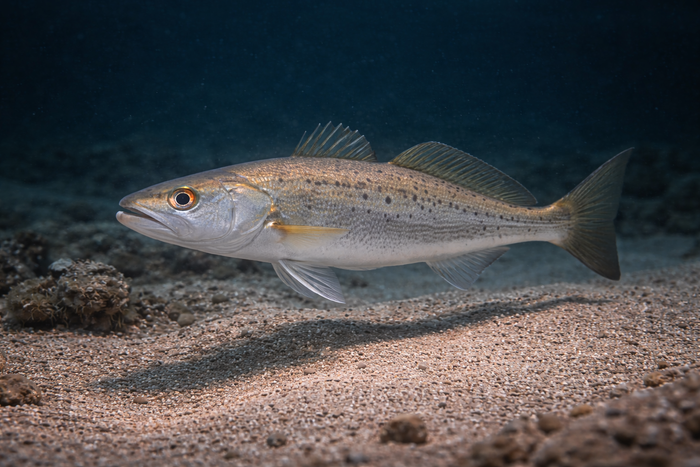
The Gulf Kingfish stands out with its elongated body, silvery sides, and a pair of fleshy barbels dangling from its lower jaw. These barbels are sensory goldmines, packed with taste buds and nerve endings that help the fish detect prey buried in the sand. Unlike many other coastal fish, the Gulf Kingfish doesn’t rely solely on sight. It uses these barbels to hunt in murky waters and at night, giving it a distinct edge.
Its mouth is designed for scooping and sucking, perfect for grabbing crustaceans, worms, and small fish hiding just beneath the surface. The Gulf Kingfish’s feeding strategy is a blend of patience and sudden bursts of speed, making it a formidable predator in its niche.
Habitat & Global Range
The Gulf Kingfish is a true coastal specialist. Its habitat spans the shallow, sandy bottoms and estuarine environments of the western Atlantic, primarily concentrated in the Gulf of Mexico. You’ll find it from the southern United States down to northern South America, favoring warm, brackish waters where freshwater mixes with the sea.
Gulf Kingfish habitat is typically characterized by sandy or muddy substrates near shorelines, bays, and estuaries. These environments provide ample food and shelter, allowing the species to thrive. Unlike deep-water fish, the Gulf Kingfish sticks close to the shallows, often in waters less than 30 feet deep, where it can exploit the rich benthic community.
Behavior & Temperament
The Gulf Kingfish is a bottom feeder with a curious and opportunistic streak. It spends much of its time cruising slowly along the seabed, using its barbels to probe for prey. When it locks onto a target, it strikes quickly, scooping up its meal with a vacuum-like mouth action.
It’s not a schooling fish, preferring to operate solo or in loose aggregations. This solitary behavior reduces competition and allows individuals to cover more ground when hunting. The Gulf Kingfish is also known for its resilience and adaptability, tolerating a range of salinities and temperatures that would stress less versatile species.
Despite its name, the Gulf Kingfish isn’t a king in the aggressive sense. It’s more of a stealthy scavenger, content to pick off whatever it can find rather than engaging in territorial battles. This temperament makes it a reliable catch for anglers who know where to look.
Ecological Importance
The Gulf Kingfish plays a crucial role in coastal food webs. By feeding on benthic invertebrates and small fish, it helps regulate populations that could otherwise explode and disrupt the ecosystem balance. Its predation on crustaceans like shrimp and crabs also influences the health of seagrass beds and estuarine habitats, which are vital nursery grounds for many marine species.
Furthermore, the Gulf Kingfish serves as prey for larger predators such as sharks, larger fish, and birds. This dual role as predator and prey positions it as a key link in the transfer of energy through coastal marine ecosystems.
Conservation & Environmental Pressures
While the Gulf Kingfish is not currently listed as endangered, it faces several environmental pressures that could impact its populations. Coastal development, pollution, and habitat degradation threaten the shallow waters and estuaries it calls home. Sedimentation and chemical runoff can reduce water quality, affecting both the fish and its prey.
Overfishing is another concern, especially in regions where Gulf Kingfish are targeted for sport and commercial purposes. Although the species is resilient, sustained pressure without proper management could lead to localized declines.
Climate change adds another layer of complexity. Rising water temperatures and changing salinity patterns may alter Gulf Kingfish habitat, forcing shifts in distribution or affecting reproductive success. Monitoring and conservation efforts are essential to ensure this species remains a thriving part of coastal ecosystems.
The FishyAF Take
The Gulf Kingfish is a prime example of how specialized adaptations can carve out a niche in a crowded marine environment. Its sensory barbels, bottom-feeding tactics, and tolerance for variable conditions make it a standout species in the Gulf’s shallow waters. For anglers and marine enthusiasts, understanding Gulf Kingfish facts means appreciating a fish that’s as tough as it is fascinating.
This species reminds us that ecological success isn’t about being the biggest or the fastest—it’s about mastering your environment with precision and persistence. The Gulf Kingfish may not wear a crown, but it rules the sandy shallows with quiet authority. Protecting its habitat and managing fishing pressures will ensure this coastal scavenger remains a fixture in Gulf waters for generations to come.