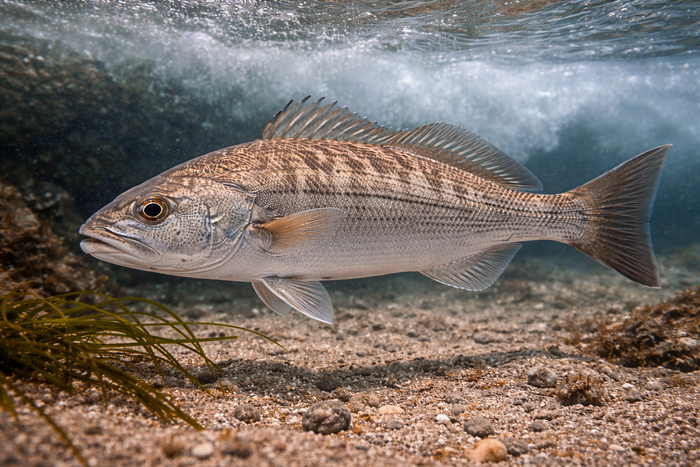
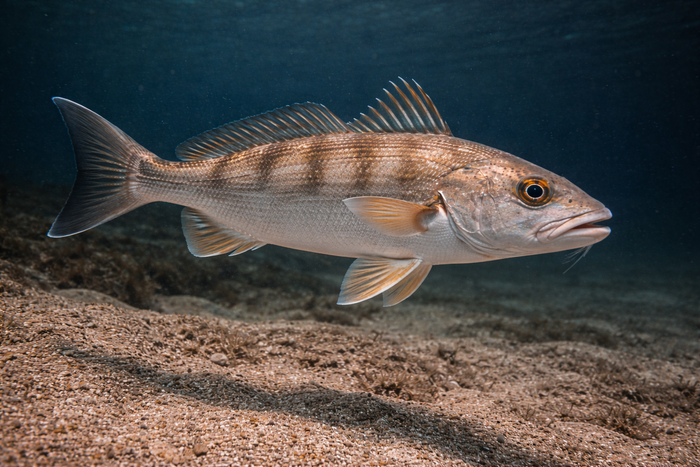
Redfish (Sciaenops ocellatus): The Southern Slammer That Commands Respect
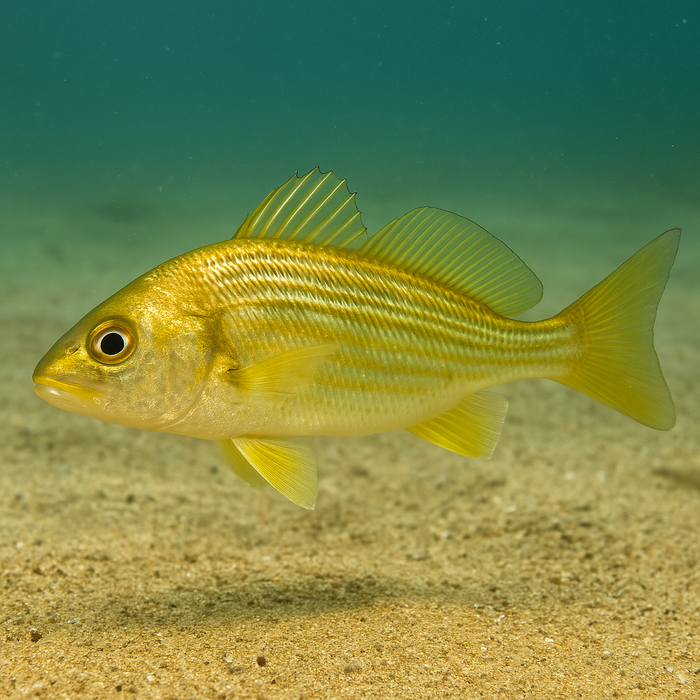
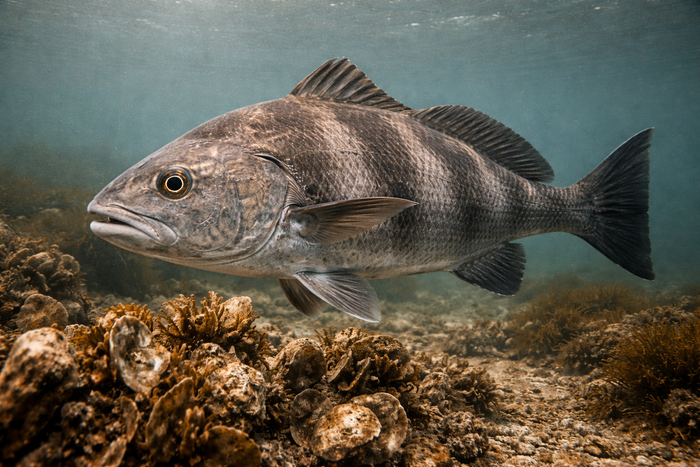
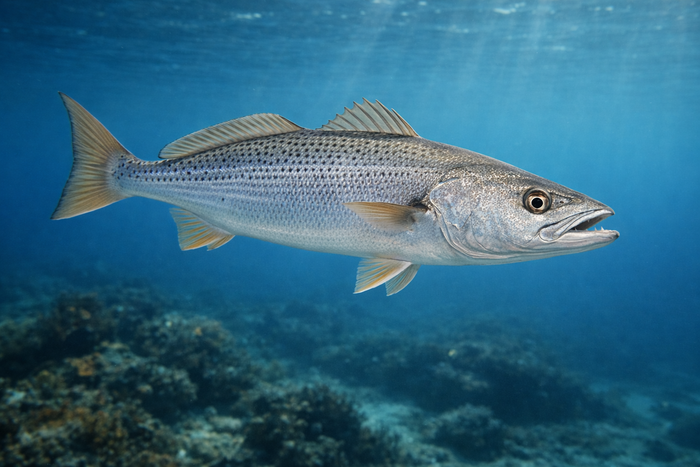
Redfish, also known as red drum, are the unmistakable champions of coastal waters from the Gulf of Mexico up to the southeastern Atlantic coast. With their coppery-red sheen and that iconic black spot near the tail, these fish are as recognizable as they are sought after by anglers and seafood lovers alike. But Redfish are more than just a pretty face in the saltwater crowd—they’re a cornerstone species with a story that demands attention.
What Makes the Redfish Unique?
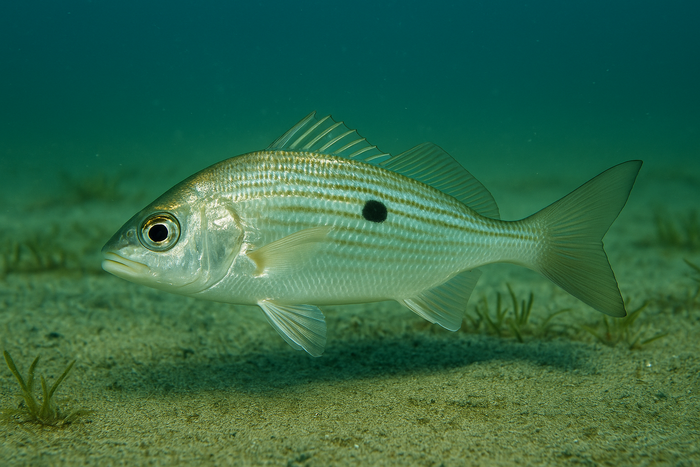
Redfish stand out in the drum family for their striking coloration and size potential. Their copper to brick-red bodies shimmer under the sun, a visual cue that’s both a warning and a lure. The single large black spot near the tail isn’t just decoration; it’s a clever evolutionary trick to confuse predators about which end is the head. Redfish also have a distinctive drumming sound produced by vibrating muscles against their swim bladder, a communication method that’s as cool as it sounds.
Unlike many coastal fish, Redfish can tolerate a wide range of salinities, making them adaptable survivors in estuaries, bays, and nearshore waters. Their diet is equally versatile, ranging from crustaceans and small fish to mollusks, showcasing a predatory flexibility that keeps them at the top of their local food webs.
Habitat & Global Range
Redfish habitat spans from the warm waters of the Gulf of Mexico, along the Atlantic coast from Florida to New Jersey. They thrive in shallow coastal environments—estuaries, tidal creeks, marshes, and sandy flats—where they can find ample food and shelter. These areas are nutrient-rich and provide ideal nursery grounds for juveniles.
One of the most fascinating Redfish habitat traits is their tolerance for varying salinity levels. Juveniles often hang out in brackish waters, where fewer predators lurk, while adults venture into saltier zones. This adaptability to different water conditions is a key reason Redfish have maintained robust populations despite environmental changes.
Behavior & Temperament
Redfish are opportunistic predators with a hunting style that’s both methodical and aggressive. They use their keen senses to root around the bottom for crabs, shrimp, and small fish. When the mood strikes, they’ll chase down prey with surprising bursts of speed.
Socially, Redfish can be solitary or form small schools, especially during spawning seasons. Their drumming calls play a role in mating rituals and territorial displays. While generally not aggressive toward humans, they are fiercely protective of their territory during spawning, which can lead to some intense battles on the fishing line.
Ecological Importance
Redfish are a critical link in coastal ecosystems. As mid-level predators, they regulate populations of smaller fish and invertebrates, maintaining a balance that supports overall biodiversity. Their feeding habits help control species that might otherwise overgraze on vital seagrass beds and marsh vegetation.
Moreover, Redfish serve as prey for larger predators like sharks and dolphins, embedding them firmly in the food chain. Their role in nutrient cycling is significant too; by moving between different habitats, they help transfer energy and nutrients across ecosystems.
Conservation & Environmental Pressures
Despite their resilience, Redfish face mounting environmental pressures. Habitat loss due to coastal development, pollution, and wetland degradation threatens their nursery grounds. Overfishing, especially of juveniles, has historically impacted some populations, prompting strict regulations and catch limits.
Climate change adds another layer of complexity. Rising water temperatures and altered salinity patterns can disrupt spawning cycles and habitat suitability. However, thanks to proactive management strategies, including size and bag limits, seasonal closures, and habitat restoration projects, Redfish populations have shown encouraging signs of recovery in many areas.
The FishyAF Take
Redfish are the saltwater equivalent of a heavyweight champ—tough, adaptable, and never to be underestimated. Their unique biology, broad habitat tolerance, and ecological role make them a species worth protecting and understanding. For anglers, they offer a challenging and rewarding fight. For conservationists, they represent a success story in balancing human use with ecosystem health.
If you want to dive into Redfish facts or explore Redfish habitat, remember this: these fish are more than just a catch. They’re a vital thread in the coastal fabric, a species that demands respect both on the line and in the wild. Keep pushing for smarter conservation, and the Redfish will keep slamming the waters for generations to come.