Weakfish (Cynoscion regalis): The Underrated Powerhouse of Coastal Waters
Meet the Weakfish, Cynoscion regalis, a species that flies under the radar but commands respect along the Atlantic coast. Despite its misleading name, this fish packs a punch in both behavior and ecological role. Known for its distinctive croaking sound and elusive nature, the Weakfish is a fascinating subject for anglers, marine biologists, and conservationists alike. This guide dives deep into what makes the Weakfish stand out, its habitat, behavior, and why it deserves more attention in the marine world.
What Makes the Weakfish Unique?
The Weakfish earns its name not from any lack of strength but from its relatively delicate mouth structure. Unlike many predatory fish with robust jaws, the Weakfish’s jaw is thin and fragile, prone to breaking if it bites down too hard. This anatomical quirk influences its feeding habits and makes it a bit of a specialist in how it captures prey. It primarily feeds on small fish and crustaceans, using stealth and quick strikes rather than brute force.
Another standout feature is the Weakfish’s ability to produce a croaking or grunting noise. This sound comes from specialized muscles vibrating against the swim bladder, a trait shared with other members of the drum family. This acoustic ability is not just a party trick; it plays a role in communication during spawning and territorial displays.
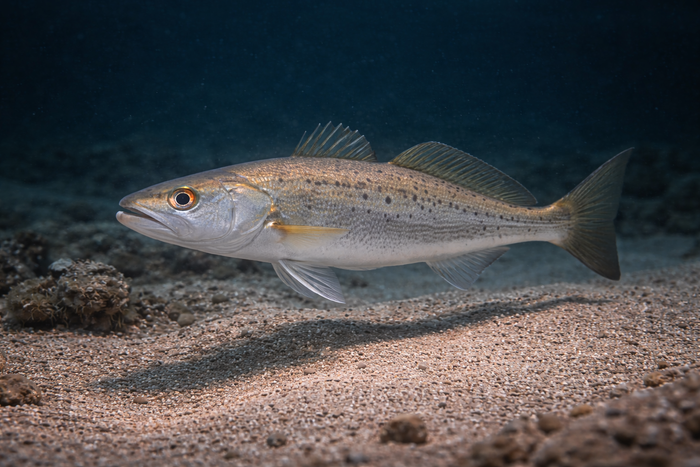
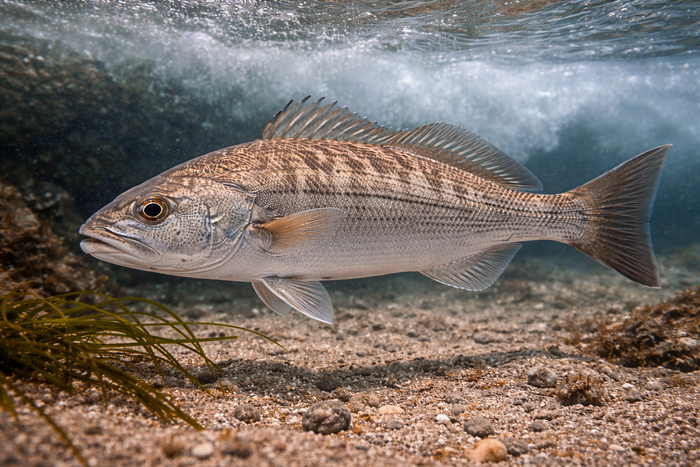
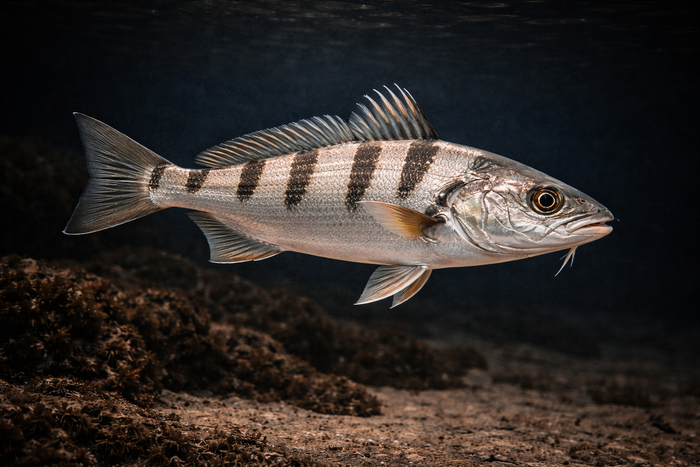
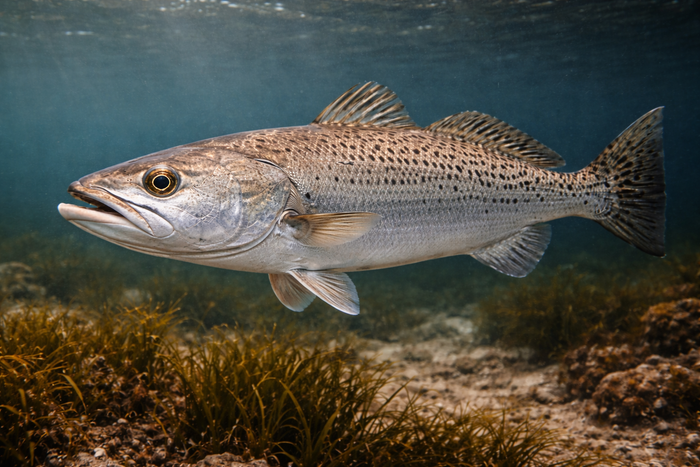
Visually, the Weakfish sports a sleek, silvery body with faint spots and a slightly forked tail, making it a swift swimmer. Its large eyes hint at a crepuscular lifestyle, active during dawn and dusk when it hunts most aggressively.
Habitat & Global Range
Weakfish habitat centers along the western Atlantic coast, stretching from the Gulf of St. Lawrence in Canada down to northern Florida. They prefer estuaries, bays, and nearshore waters where salinity fluctuates and food is abundant. This species thrives in shallow waters with sandy or muddy bottoms, often near seagrass beds or oyster reefs that provide cover and hunting grounds.
Seasonal migration is a hallmark of the Weakfish’s life cycle. In warmer months, they move into estuaries and coastal lagoons to spawn and feed, taking advantage of the rich nursery grounds. As temperatures drop, they migrate offshore to deeper waters, avoiding the cold and predation pressures.
Understanding Weakfish habitat is crucial for both anglers and conservationists. These fish depend on healthy estuarine environments, which are increasingly threatened by human activity. Their presence often signals a balanced ecosystem, making them a valuable indicator species.
Behavior & Temperament
Weakfish behavior is a mix of cautious predator and opportunistic feeder. They are not aggressive in the traditional sense but are efficient hunters. Their feeding strategy involves slow stalking and sudden bursts of speed to capture prey. This method suits their fragile jaws, minimizing the risk of injury.
During spawning season, males become more vocal and territorial, using their croaking calls to attract females and ward off rivals. This period sees increased activity and sometimes aggressive encounters, a sharp contrast to their usual low-key demeanor.
Weakfish are schooling fish, often found in groups that provide safety in numbers and increase hunting efficiency. Their schooling behavior also makes them a favorite target for commercial and recreational fishing, as large groups can be located and caught more easily.
Ecological Importance
Weakfish play a vital role in coastal ecosystems. As mid-level predators, they help regulate populations of smaller fish and crustaceans, maintaining a balanced food web. Their feeding habits control prey species that might otherwise explode in numbers and disrupt habitat structures.
They also serve as prey for larger predators, including sharks, striped bass, and dolphins. This dual role as predator and prey makes them a key link in the marine food chain.
Moreover, Weakfish contribute to nutrient cycling in estuarine environments. By moving between different habitats during their migrations, they transport energy and nutrients, supporting the productivity of these ecosystems.
Conservation & Environmental Pressures
Despite their name, Weakfish face strong threats from environmental pressures and human activities. Overfishing has historically depleted populations, especially in areas where they are targeted for sport and commercial purposes. Their schooling behavior, while beneficial for survival, makes them vulnerable to large-scale capture.
Habitat degradation is another critical issue. Pollution, coastal development, and the destruction of estuaries and seagrass beds reduce the quality and availability of Weakfish habitat. These changes impact spawning success and juvenile survival rates.
Climate change adds another layer of complexity, altering water temperatures and salinity patterns that Weakfish rely on for migration and reproduction. Shifts in these environmental factors could disrupt their life cycle and distribution.
Conservation efforts focus on regulating fishing pressure, protecting critical habitats, and monitoring population trends. Sustainable management is essential to ensure Weakfish continue to thrive and fulfill their ecological roles.
The FishyAF Take
The Weakfish is a classic case of a species that deserves more respect than its name suggests. It’s a master of adaptation, with unique anatomical and behavioral traits that make it a fascinating player in coastal ecosystems. Its role as both predator and prey underscores its importance in maintaining marine balance.
For anglers, the Weakfish offers a rewarding challenge—its delicate mouth demands finesse, and its elusive nature keeps you on your toes. For conservationists, it’s a barometer of estuarine health and a reminder that even species with “weak” in their name can be ecological heavyweights.
If you want to understand coastal waters, you need to know the Weakfish. It’s not just another fish; it’s a vital thread in the fabric of marine life, deserving attention, respect, and protection. Keep an eye out for this croaking, schooling, and surprisingly resilient fish next time you’re near the Atlantic shore.