California Corbina (Menticirrhus undulatus): The Surf’s Smooth Operator with a Taste for Sand and Salt
The California Corbina is no wallflower of the surf zone. This sleek, silvery drum fish cruises the sandy beaches and shallow bays of the West Coast with a swagger that’s hard to ignore. Known for its distinctive undulating body and bold behavior, the California Corbina is a favorite among anglers and marine enthusiasts alike. It’s a species that combines subtle beauty with a tenacious spirit, making it a standout in the coastal fish community.
What Makes the California Corbina Unique?
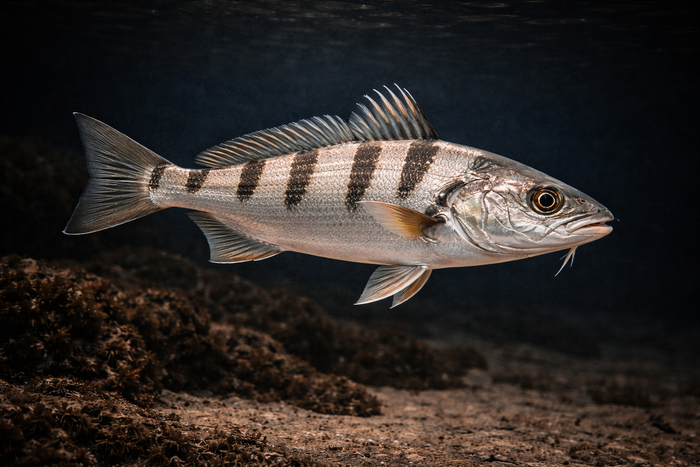
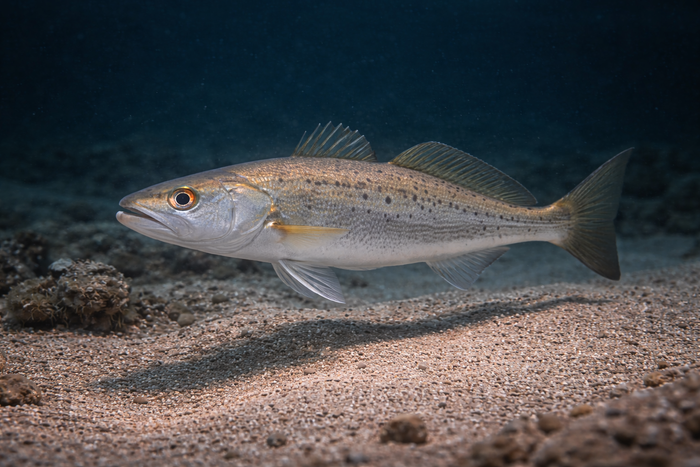
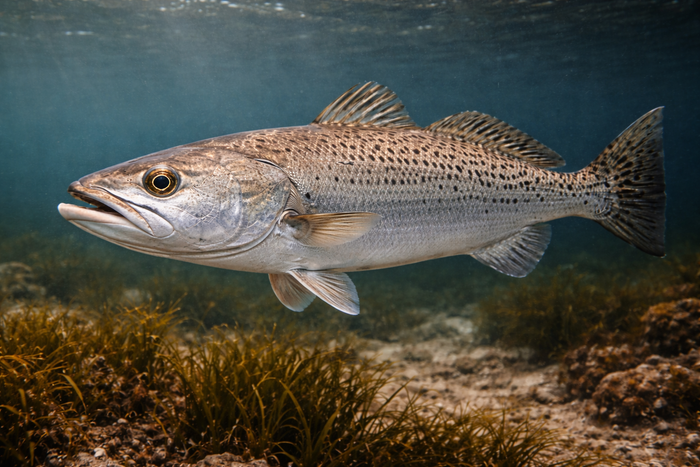
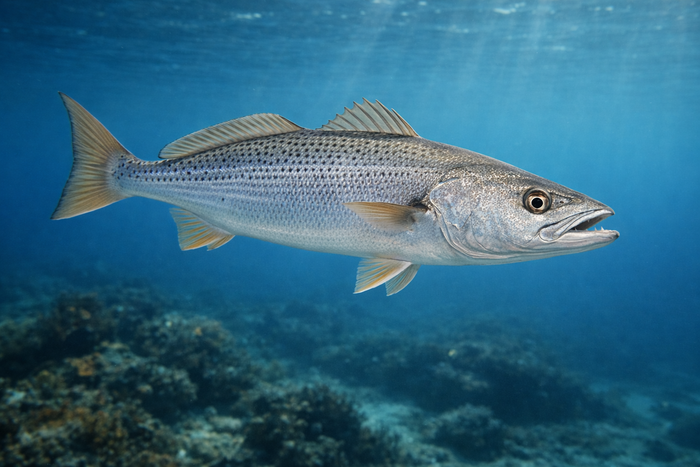
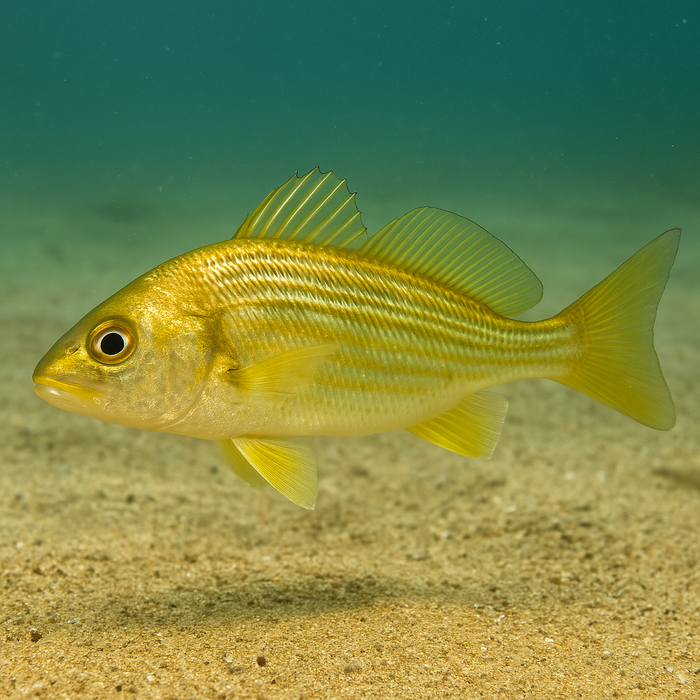
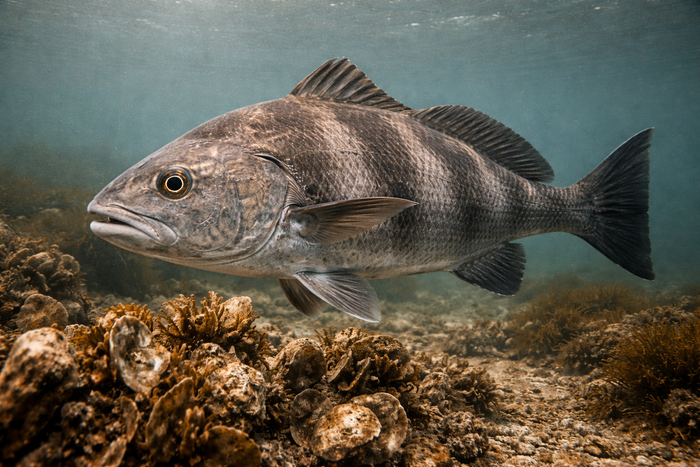
The California Corbina’s claim to fame lies in its unmistakable appearance and feeding habits. Unlike many fish that lurk in the depths, the Corbina thrives right where the waves break, often seen darting through the surf zone. Its body is elongated and compressed, covered in small, rough scales that shimmer with a silvery-gray hue. The most notable feature is its chin barbel—a small, whisker-like appendage that acts as a sensory tool to detect prey buried in the sand.
This fish is a master of camouflage and subtle movement. It uses its barbel to root out crustaceans, worms, and small mollusks from the sandy bottom, a feeding strategy that sets it apart from other drum species. The California Corbina’s mouth is adapted to scoop and suck prey from the substrate, making it a specialized predator in its niche.
Habitat & Global Range
California Corbina facts are tightly linked to their coastal habitat. These fish are native to the eastern Pacific, primarily found along the coast of California and Baja California. Their preferred California Corbina habitat is the shallow, sandy beaches and surf zones where waves consistently churn the bottom. They favor depths from the shoreline out to about 20 meters, often in areas with gentle surf and sandy or muddy bottoms.
Unlike many fish that prefer rocky reefs or kelp forests, the Corbina is a true beach dweller. It thrives in dynamic environments where the sand is constantly shifting, and the water is oxygen-rich due to wave action. This habitat preference makes the California Corbina a key species in the nearshore ecosystem, connecting the ocean’s energy with the sandy shore.
Behavior & Temperament
The California Corbina is a bold and active fish, often seen swimming just beneath the breaking waves. It’s not shy about venturing close to shore, sometimes even entering tidal pools or shallow estuaries. This species is primarily solitary but can be found in loose aggregations during feeding or spawning seasons.
Its behavior is characterized by constant movement, patrolling the sandy bottom with a rhythmic, undulating motion. The barbel is in near-constant contact with the substrate, searching for hidden prey. When disturbed, the Corbina doesn’t bolt deep but instead uses quick bursts to dart through the surf, blending into the frothy water.
For anglers, the California Corbina offers a spirited fight despite its moderate size. It’s known for sudden runs and stubborn resistance, making it a prized catch for surf fishermen who appreciate its tenacity.
Ecological Importance
California Corbina plays a vital role in coastal ecosystems. As a benthic feeder, it helps regulate populations of small invertebrates, maintaining a balance in the sandy beach food web. Its foraging activity also aerates the sediment, promoting nutrient cycling and supporting the health of the benthic environment.
Moreover, the Corbina serves as prey for larger predators, including seabirds, sharks, and marine mammals. This positions it as a crucial link between lower trophic levels and apex predators, sustaining the energy flow within the nearshore ecosystem.
The species’ preference for surf zones means it is often an indicator of beach ecosystem health. Changes in Corbina populations can signal shifts in sediment quality, prey availability, or water conditions, making it a valuable species for environmental monitoring.
Conservation & Environmental Pressures
Despite its resilience, the California Corbina faces several environmental pressures. Coastal development, pollution, and habitat alteration threaten the sandy beach environments it depends on. Increased human activity along shorelines can disrupt spawning grounds and reduce prey availability.
Overfishing is a localized concern, especially in areas popular with surf anglers. While the species is not currently listed as endangered, sustainable fishing practices are essential to prevent population declines. The Corbina’s reliance on clean, oxygen-rich surf zones also makes it vulnerable to water quality degradation from runoff and contaminants.
Climate change poses a longer-term threat by altering ocean temperatures and wave patterns, potentially impacting the Corbina’s habitat and food sources. Conservation efforts focusing on protecting coastal habitats and maintaining water quality are critical to ensuring the species’ future.
The FishyAF Take
The California Corbina is a standout character in the coastal fish world. Its unique blend of boldness, specialized feeding, and habitat preference makes it a fascinating subject for anglers and marine biologists alike. Understanding California Corbina facts and habitat nuances reveals a species finely tuned to the surf zone’s challenges and opportunities.
For anyone serious about coastal fishing or marine conservation, the Corbina offers a lesson in adaptation and resilience. It’s a reminder that the sandy beaches we often overlook are vibrant ecosystems full of life and complexity. Protecting the California Corbina means protecting the dynamic interface between land and sea—a zone where nature’s raw power meets delicate balance.
Keep an eye on the surf, and you might just spot this sleek, silvery fish cruising the breakers, doing what it’s done for millennia—thriving where few others dare to tread.