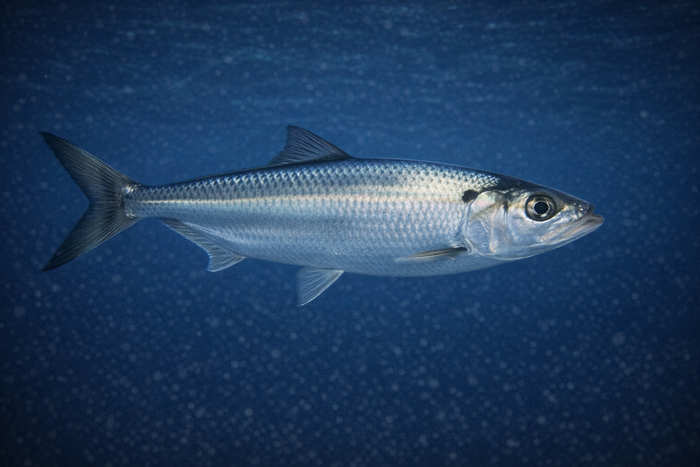
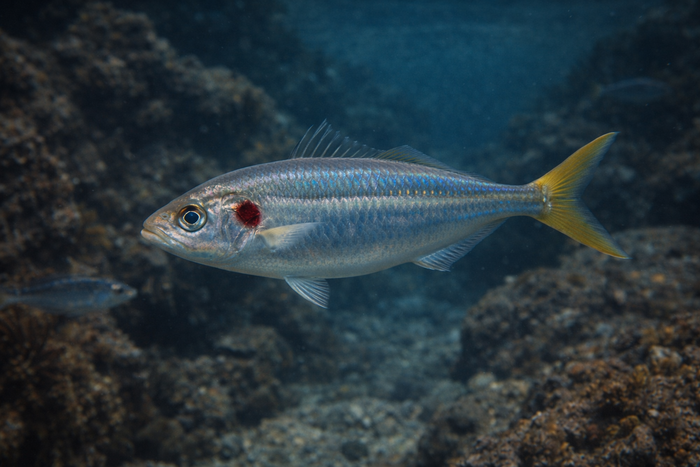
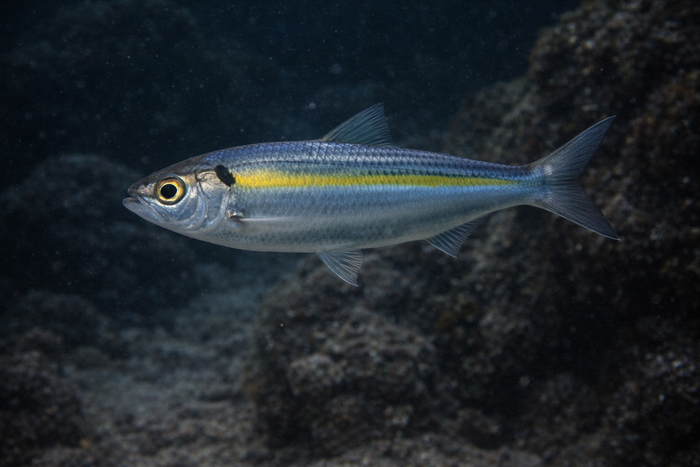
Atlantic Menhaden (Brevoortia tyrannus): The Unsung Powerhouse of the Atlantic Coast
The Atlantic Menhaden is one of those fish that rarely grabs headlines but quietly dominates the ecological and commercial scenes along the eastern seaboard of North America. Known scientifically as Brevoortia tyrannus, this small, silvery fish packs a punch far beyond its size. If you’re diving into Atlantic Menhaden facts, prepare to meet a species that’s part filter feeder, part ecosystem engineer, and all-around vital player in coastal waters.
What Makes the Atlantic Menhaden Unique?
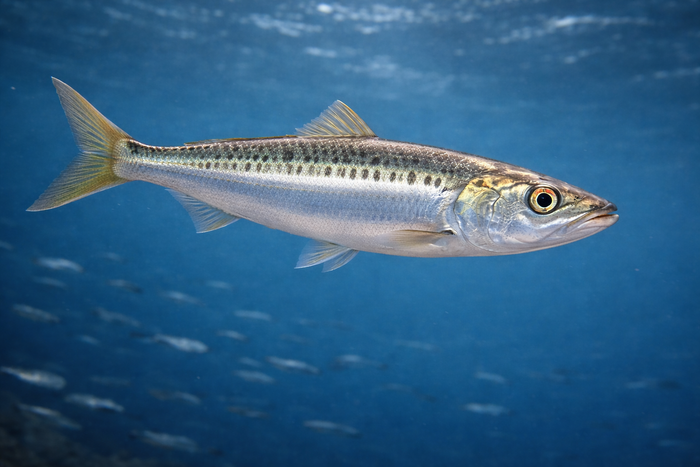
Atlantic Menhaden aren’t flashy, but they’re fascinating. They belong to the herring family and are often mistaken for other forage fish, yet their role is anything but generic. What sets them apart is their specialized feeding strategy: they are filter feeders that consume massive amounts of plankton by straining water through their gill rakers. This makes them a crucial link in the food web, converting microscopic plankton into a form digestible by larger predators.
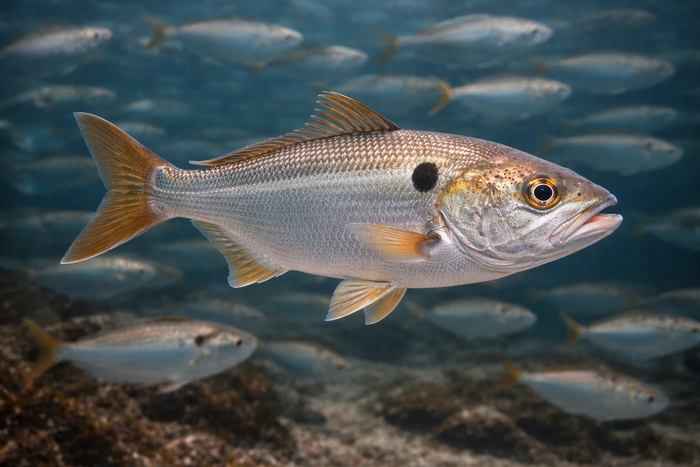
Their schooling behavior is another standout trait. Menhaden gather in dense, shimmering clouds that can stretch for miles, creating a moving buffet for predators like striped bass, bluefish, and even dolphins. This schooling also helps them evade predators, making them a tough target despite their small size.
Habitat & Global Range
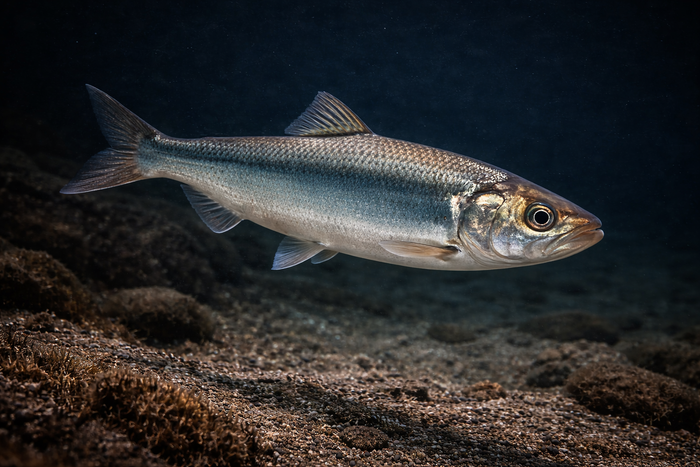
The Atlantic Menhaden’s habitat is primarily the western Atlantic Ocean, stretching from Nova Scotia down to northern Florida. They thrive in estuaries, bays, and nearshore coastal waters, where nutrient-rich currents fuel plankton blooms. This habitat preference is no accident; the menhaden’s filter-feeding lifestyle depends on abundant plankton, which flourishes in these productive waters.
Seasonally, menhaden migrate along the coast, moving southward in the fall and returning north in the spring. This migration aligns with water temperature changes and spawning cycles. They spawn offshore in the fall and winter, with larvae drifting into estuaries where juveniles grow before joining the adult population.
Understanding Atlantic Menhaden habitat is key to appreciating their ecological role and the challenges they face. Their reliance on coastal and estuarine environments makes them sensitive to water quality and habitat degradation.
Behavior & Temperament
Menhaden are social fish that rely heavily on schooling for survival. Their behavior is a masterclass in collective movement, with thousands of individuals synchronizing their swimming to create a nearly impenetrable mass. This behavior reduces individual predation risk and enhances feeding efficiency.
Despite their importance, menhaden are not aggressive. They spend most of their time filtering plankton and avoiding predators. Their temperament is more about survival than confrontation. When threatened, they scatter in a flash, a tactic that confuses predators and increases the odds of escape.
Atlantic Menhaden also exhibit diel vertical migration, moving closer to the surface at night to feed and descending during the day to avoid predators. This daily rhythm is a clever adaptation to balance feeding needs with safety.
Ecological Importance
If you want to understand why the Atlantic Menhaden matters, look no further than its ecological impact. Menhaden are a cornerstone species in Atlantic coastal ecosystems. By filtering plankton, they help regulate water quality and clarity, preventing harmful algal blooms that can devastate marine life.
They are also a critical food source for a wide array of predators. Striped bass, bluefish, weakfish, and even seabirds depend on menhaden for sustenance. Without menhaden, these predator populations would struggle, causing ripple effects throughout the food web.
Beyond feeding relationships, menhaden contribute to nutrient cycling. Their feeding and excretion recycle nutrients in coastal waters, supporting the productivity of estuaries and bays. In short, Atlantic Menhaden are ecosystem engineers, shaping the health and balance of their environment.
Conservation & Environmental Pressures
Despite their abundance, Atlantic Menhaden face significant pressures. Commercial fishing targets menhaden heavily, primarily for fish oil, fish meal, and bait. While the industry is regulated, concerns persist about overfishing and its impact on menhaden populations and the broader ecosystem.
Environmental challenges compound these pressures. Pollution, habitat loss, and climate change threaten the estuaries and coastal waters menhaden depend on. Nutrient runoff can cause dead zones, reducing oxygen levels and stressing fish populations. Rising water temperatures may also alter menhaden migration and spawning patterns, with unknown long-term consequences.
Conservation efforts focus on sustainable fishing practices, habitat restoration, and monitoring menhaden populations closely. Maintaining healthy menhaden stocks is not just about preserving a single species; it’s about safeguarding the entire Atlantic coastal ecosystem.
The FishyAF Take
The Atlantic Menhaden might not be the flashiest fish in the sea, but it’s arguably one of the most important. This little filter feeder punches well above its weight, supporting predators, cleaning waters, and driving nutrient cycles. Ignoring menhaden is like ignoring the foundation of a skyscraper—it’s there, holding everything up, but rarely noticed until it’s compromised.
If you’re serious about understanding Atlantic Menhaden facts, remember this: their health reflects the health of the entire Atlantic coast. Protecting menhaden means protecting a complex, interconnected marine world. So next time you hear about menhaden, don’t just think bait fish. Think ecosystem powerhouse. That’s the kind of fish worth knowing.