Redear Sardine (Harengula humeralis): Small Fish, Big Impact
The Redear Sardine isn’t your average bait fish. Harengula humeralis, commonly known as the Redear Sardine, punches above its weight in the marine food web. This species may be small, but it’s a powerhouse in coastal ecosystems and a favorite target for anglers looking to attract bigger game. If you’re diving into Redear Sardine facts, prepare to discover a fish that’s as fascinating as it is essential.
What Makes the Redear Sardine Unique?
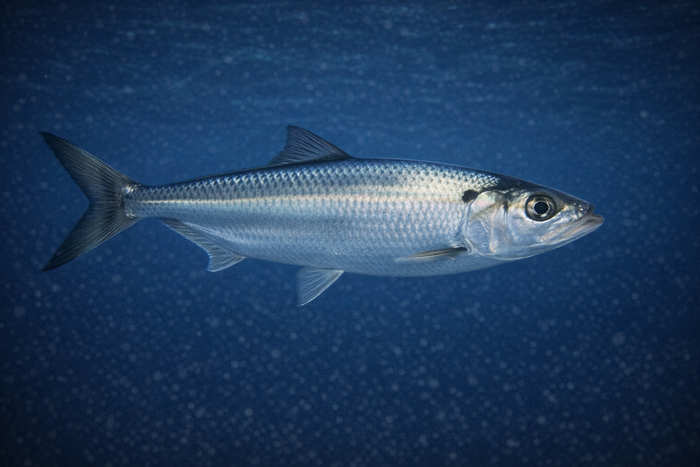
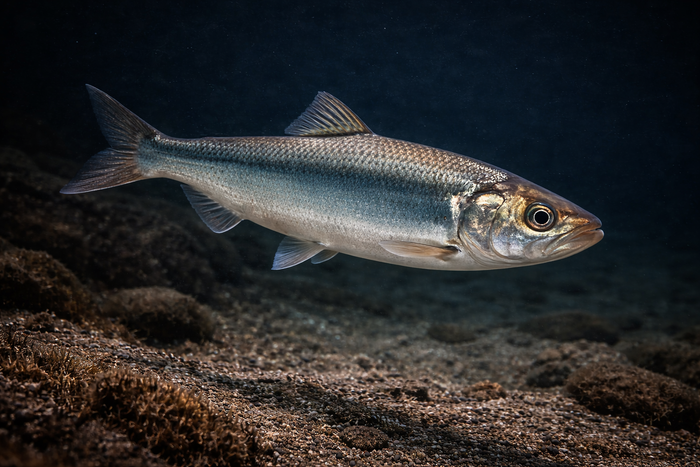
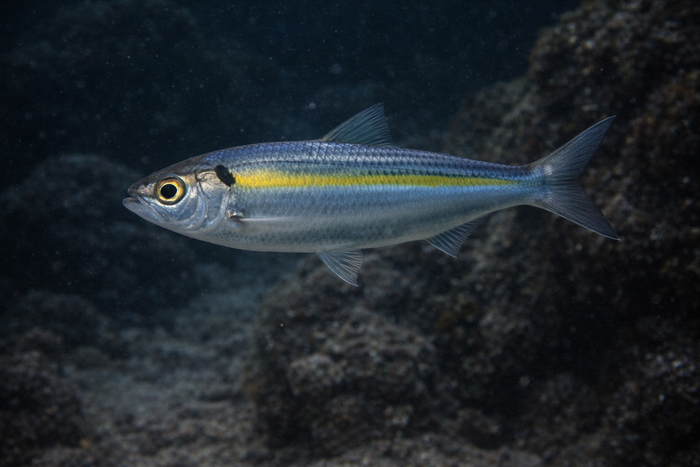
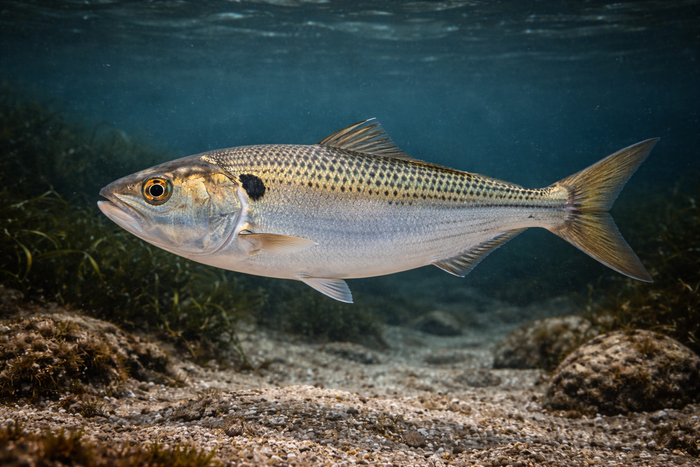
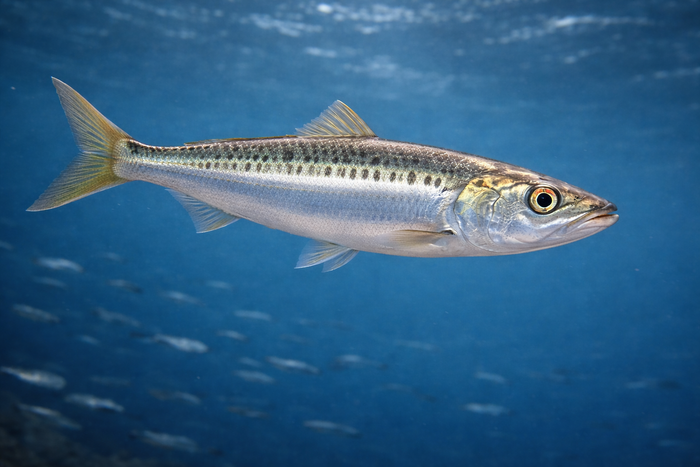
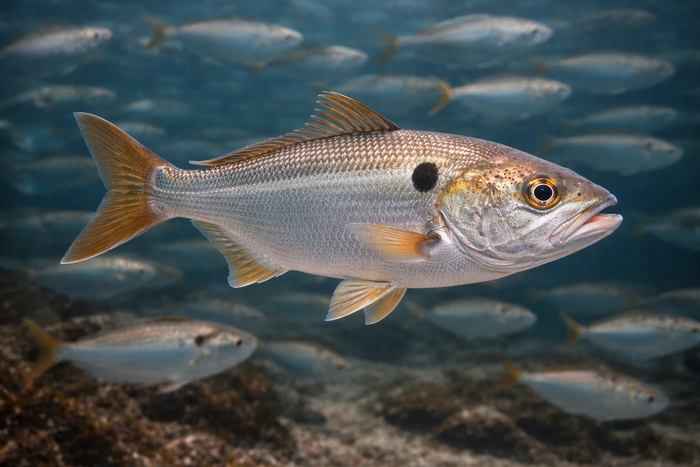
The Redear Sardine stands out with its distinctive reddish spot near the gill cover—hence the name “Redear.” This subtle but unmistakable mark sets it apart from other sardines and herrings. Unlike many of its relatives, Harengula humeralis has a streamlined body built for speed and agility, allowing it to evade predators with quick bursts of movement.
Its schooling behavior is another defining trait. Redear Sardines form tight, coordinated groups that move like a single entity. This collective movement confuses predators and maximizes survival chances. Their diet is primarily planktonic, filtering tiny organisms from the water with specialized gill rakers. This feeding strategy makes them critical players in transferring energy from microscopic life to larger predators.
Habitat & Global Range
Redear Sardine habitat spans warm coastal waters of the western Atlantic Ocean, from the southeastern United States down through the Caribbean and along the northern coast of South America. They thrive in shallow bays, estuaries, and nearshore environments where nutrient-rich waters support abundant plankton populations.
These fish prefer waters with moderate salinity and temperatures ranging from subtropical to tropical. Their adaptability to varying coastal conditions allows them to exploit a range of habitats, including mangrove-lined shores and seagrass beds. This flexibility in habitat choice is a key reason for their widespread distribution.
Behavior & Temperament
Redear Sardines are classic schooling fish with a strong social structure. Their synchronized swimming is not just for show; it’s a survival mechanism. When threatened, the entire school can change direction instantly, making it difficult for predators to single out an individual.
They are diurnal feeders, actively filtering plankton during daylight hours. Their feeding behavior influences local plankton populations and helps maintain ecological balance. Despite their small size, they exhibit remarkable alertness and responsiveness to environmental cues.
In terms of temperament, Redear Sardines are not aggressive. They are prey species, which means their primary focus is evasion and survival rather than confrontation. This makes them ideal bait fish, as they naturally attract predatory species without posing a threat.
Ecological Importance
Redear Sardines are a cornerstone species in coastal food webs. By consuming vast quantities of plankton, they convert microscopic life into a form accessible to larger predators such as snappers, groupers, and barracudas. This energy transfer is vital for sustaining healthy fish populations and overall marine biodiversity.
Their role as prey cannot be overstated. Many commercially important fish species rely on Redear Sardines as a primary food source during critical life stages. Without them, the balance of predator-prey relationships in coastal ecosystems would be disrupted, potentially leading to cascading effects throughout the food chain.
Additionally, their schooling behavior influences nutrient cycling and water clarity. Large schools can stir up sediments and redistribute nutrients, indirectly supporting the productivity of coastal habitats.
Conservation & Environmental Pressures
While the Redear Sardine is not currently listed as endangered, it faces several environmental pressures that could impact populations. Coastal development, pollution, and habitat degradation threaten the shallow waters and estuaries they depend on. Nutrient runoff and sedimentation can alter plankton communities, affecting food availability.
Overfishing is less of a direct concern for Redear Sardines compared to larger game fish, but they are often caught as bycatch or used extensively as bait. Unsustainable bait harvesting could reduce local populations and disrupt food webs.
Climate change adds another layer of complexity. Rising sea temperatures and ocean acidification may shift Redear Sardine habitat ranges or affect reproductive success. Monitoring these changes is crucial for maintaining their ecological role.
The FishyAF Take
The Redear Sardine is a small fish with a big job. Its unique physical traits and schooling behavior make it a fascinating study in survival strategy. More importantly, it’s a linchpin species in coastal ecosystems, quietly supporting the food chains that sustain both wildlife and human fisheries.
Understanding Redear Sardine facts and habitat is not just academic—it’s essential for anyone serious about marine conservation or fishing. Protecting their habitats and ensuring sustainable use will keep these sardines schooling strong and the bigger fish biting.
In the grand scheme of marine life, the Redear Sardine might not grab headlines, but it deserves respect. It’s a reminder that sometimes the smallest players have the largest impact.