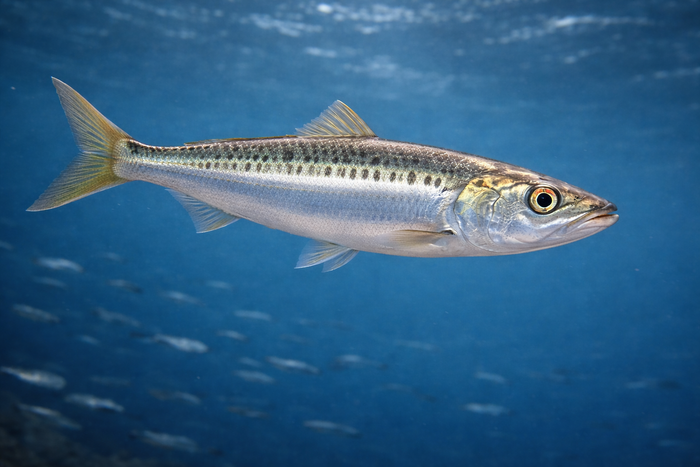
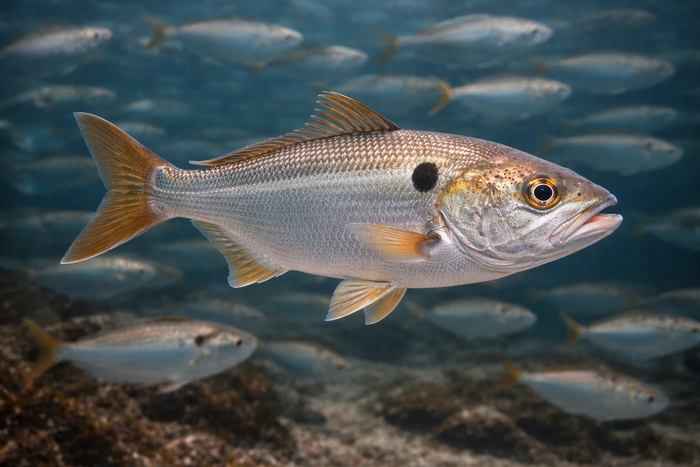
Pacific Herring (Clupea pallasii): The Unsung Powerhouse of the Pacific
The Pacific Herring is not your average bait fish. This sleek, silvery swimmer commands the coastal waters of the North Pacific with a presence that belies its size. Often overshadowed by flashier species, the Pacific Herring plays a pivotal role in marine ecosystems and commercial fisheries alike. Understanding this fish means appreciating a cornerstone of oceanic food webs and a species that has shaped human coastal economies for centuries.
What Makes the Pacific Herring Unique?
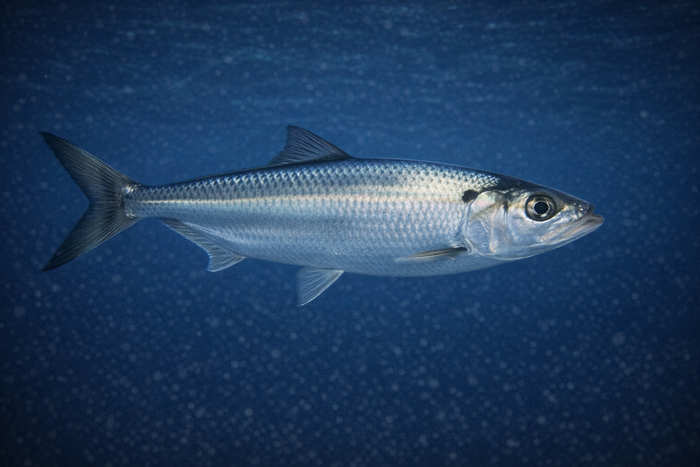
Pacific Herring stand out for their schooling behavior and their incredible reproductive strategy. Unlike many fish, they spawn in massive numbers, depositing sticky eggs on underwater vegetation and rocky substrates. This reproductive tactic ensures high survival rates in a predator-rich environment. Their bodies are streamlined for efficient swimming, allowing them to evade predators and navigate vast coastal waters with ease.
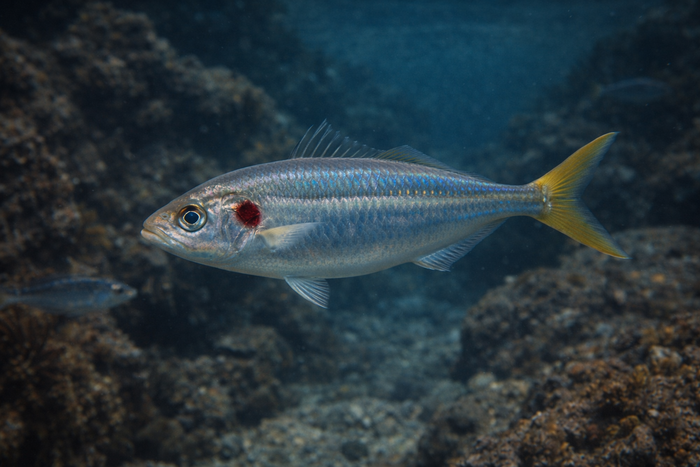
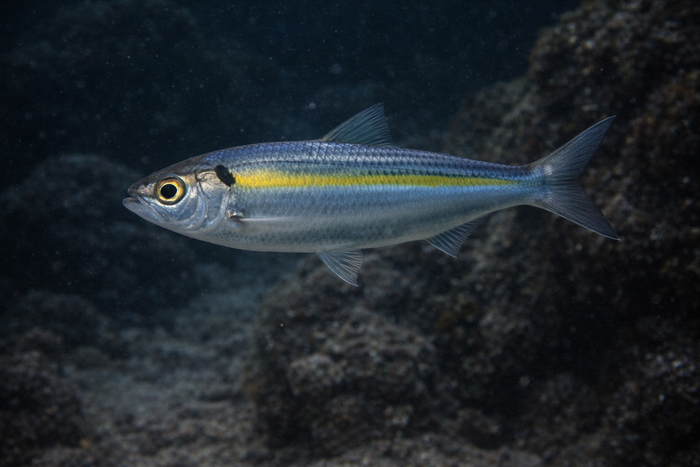
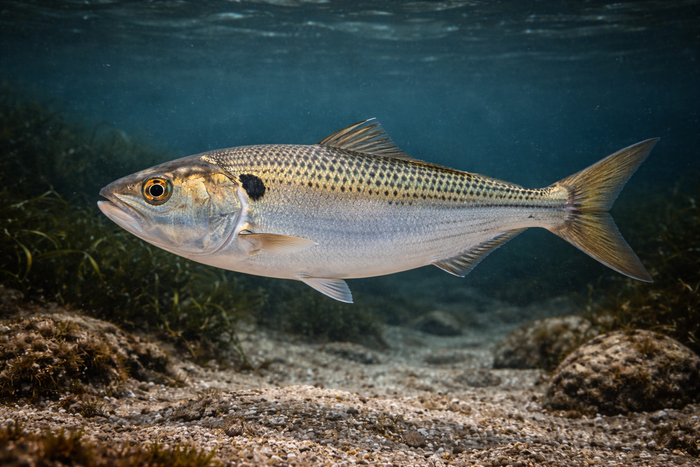
Their sensory systems are finely tuned, enabling them to detect subtle changes in water pressure and movement. This sensitivity is crucial for maintaining tight schools that move as one, a mesmerizing spectacle that confuses predators and maximizes survival. Pacific Herring also have a distinctive silvery sheen that reflects light, helping them blend into the shimmering ocean surface and avoid detection.
Habitat & Global Range
The Pacific Herring inhabits the temperate coastal waters of the North Pacific Ocean, stretching from the coasts of Japan and Russia to Alaska and down to California. Their habitat includes bays, estuaries, and nearshore waters, where they find abundant food and suitable spawning grounds.
Pacific Herring habitat is characterized by cold, nutrient-rich waters that support dense plankton populations—their primary food source. These fish prefer shallow waters during spawning seasons, often returning to the same locations year after year. This site fidelity is crucial for their life cycle and makes certain coastal areas hotspots for herring activity.
Behavior & Temperament
Pacific Herring are social creatures, rarely seen alone. Their schooling behavior is a survival tactic and a feeding strategy. By moving in synchronized groups, they reduce individual risk from predators like seals, sea lions, and larger fish. This schooling also allows them to efficiently exploit plankton blooms, timing their feeding to coincide with these seasonal events.
Their temperament is reactive rather than aggressive. They rely on speed and numbers to avoid threats rather than confrontation. This makes them vulnerable to overfishing and environmental changes that disrupt their schooling or spawning patterns.
Ecological Importance
Pacific Herring are a keystone species in their ecosystems. They serve as a critical food source for a wide range of predators, including marine mammals, seabirds, and larger fish. Their abundance supports commercial fisheries targeting species higher up the food chain, making them an indirect but essential player in human economies.
Beyond being prey, their spawning activities contribute to nutrient cycling in coastal ecosystems. The eggs and larvae provide food for benthic organisms, while the adults help control plankton populations, maintaining balance in the marine food web.
Conservation & Environmental Pressures
Despite their abundance, Pacific Herring face significant threats. Overfishing has historically depleted populations in some regions, disrupting ecological balance and local economies. Habitat degradation from coastal development, pollution, and climate change further complicates their survival.
Ocean warming affects plankton availability, which directly impacts herring feeding success and reproductive output. Additionally, changes in salinity and water quality in estuarine spawning grounds can reduce egg survival rates. Conservation efforts focus on sustainable fishing practices, habitat protection, and monitoring population health to ensure these fish remain a staple of the Pacific marine environment.
The FishyAF Take
Pacific Herring might not have the flash of a salmon or the size of a halibut, but their role in the ocean is monumental. They are the unsung heroes of the North Pacific, linking plankton to predators in a seamless chain of life. Ignoring their importance is a mistake that could ripple through marine ecosystems and fisheries alike.
For anglers and conservationists, understanding Pacific Herring facts and their habitat is crucial. Protecting this species means safeguarding the health of entire coastal ecosystems and the economies that depend on them. The Pacific Herring demands respect—not just as bait, but as a vital, dynamic force in the ocean’s story.