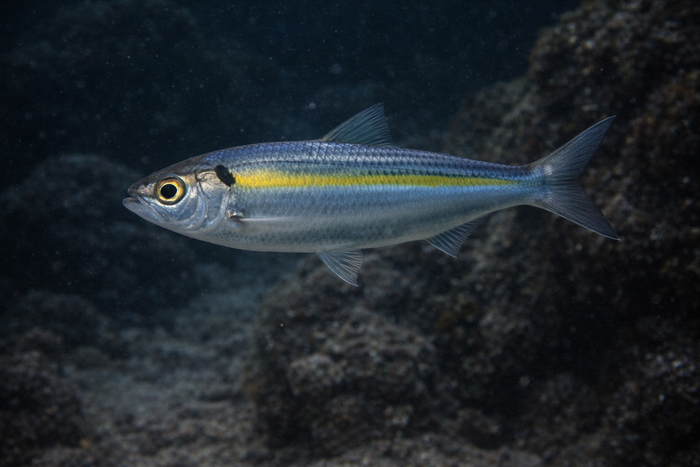
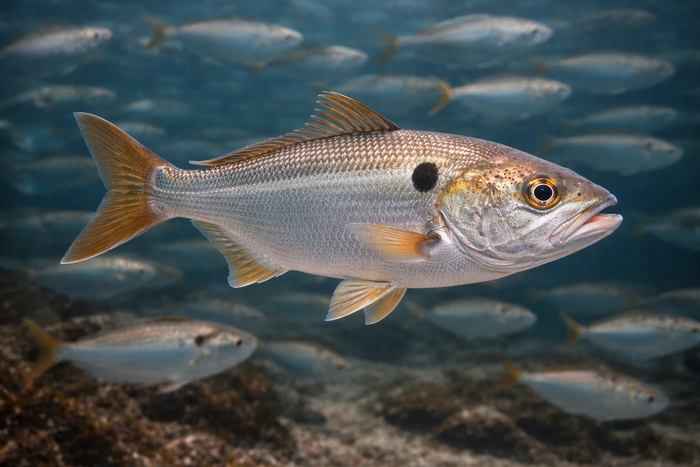
Pilchard (Sardinops sagax): Small Fish, Massive Impact
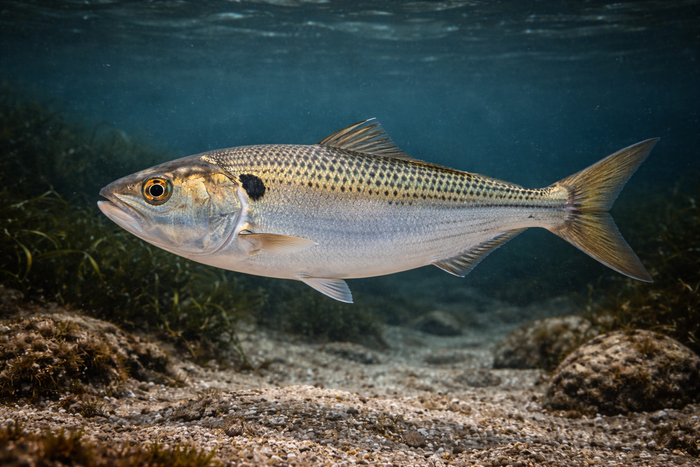
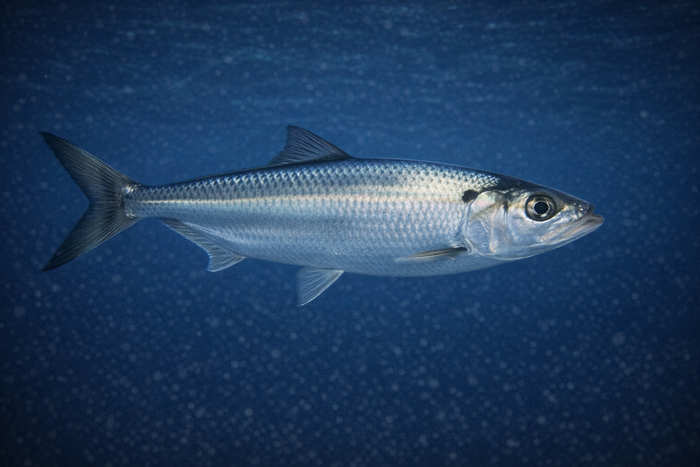
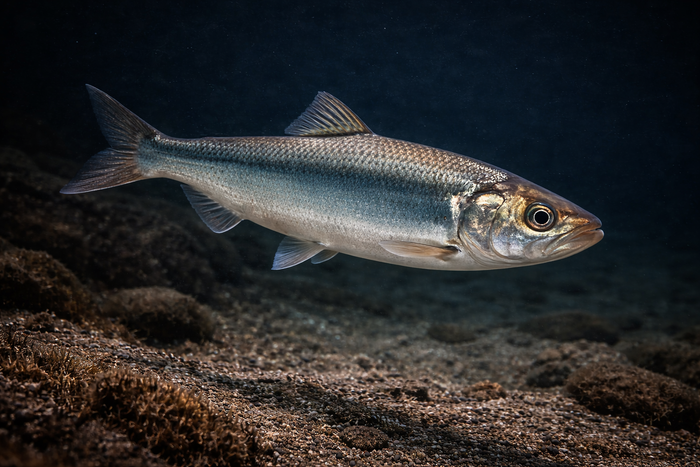
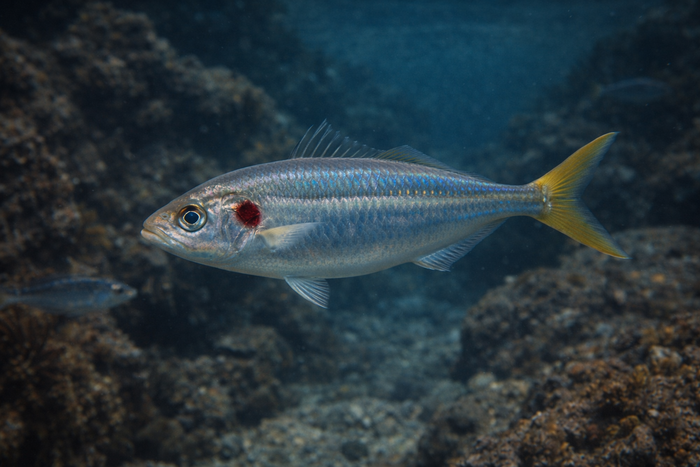
The pilchard, Sardinops sagax, might not be the flashiest fish in the sea, but it’s a powerhouse in marine ecosystems and global fisheries alike. Known for its silvery sheen and schooling behavior, the pilchard is a staple in both natural food webs and human diets. Understanding this species goes beyond its size; it’s about appreciating a fish that punches well above its weight in ecological and economic terms.
What Makes the Pilchard Unique?
Pilchards are a type of small, oily fish closely related to sardines, often confused but distinct in their own right. What sets the pilchard apart is its incredible schooling instinct. These fish move in tight, synchronized groups that can stretch for miles, creating a shimmering underwater spectacle. This behavior isn’t just for show—it’s a survival strategy against predators and a way to maximize feeding efficiency.
Another standout feature is their adaptability. Pilchards can thrive in a range of oceanic conditions, from temperate to subtropical waters. Their diet mainly consists of plankton, but they are opportunistic feeders, adjusting to whatever microscopic buffet the ocean serves up. This flexibility makes them resilient in fluctuating environments, a trait that’s crucial given today’s changing oceans.
Habitat & Global Range
Pilchard habitat spans the coastal waters of the Pacific and Atlantic Oceans, with significant populations off the coasts of California, South America, South Africa, and Australia. They prefer continental shelf areas where nutrient-rich upwellings fuel plankton blooms, their primary food source. These upwellings create ideal Pilchard habitat, supporting dense schools that can number in the millions.
Their range isn’t static; pilchards migrate seasonally to follow food availability and optimal water temperatures. This migratory behavior ensures they stay in productive zones but also exposes them to varying environmental pressures and fishing activities. Understanding Pilchard habitat is key to managing their populations sustainably.
Behavior & Temperament
Pilchards are the ultimate team players. Their schooling behavior is a textbook example of collective movement, with individuals constantly adjusting their speed and position to maintain the group’s cohesion. This coordination reduces individual risk and confuses predators, from larger fish to seabirds.
Despite their small size, pilchards are voracious feeders. They filter-feed on plankton by swimming with mouths open, efficiently capturing tiny organisms. Their feeding frenzy can trigger cascading effects in the food web, influencing plankton populations and, by extension, the entire marine ecosystem.
Temperament-wise, pilchards are not aggressive. They rely on numbers and speed rather than confrontation. Their presence often signals a healthy marine environment, as they require clean, oxygen-rich waters to thrive.
Ecological Importance
Pilchards are a cornerstone species in marine food webs. They serve as a crucial link between microscopic plankton and larger predators such as tuna, sharks, seabirds, and marine mammals. Without pilchards, these predators would struggle to find sufficient food, potentially destabilizing entire ecosystems.
Their role extends beyond being prey. By feeding on plankton, pilchards help regulate plankton populations, which can influence water quality and nutrient cycling. This balance is vital for maintaining the productivity of coastal waters where many fish and invertebrate species spawn and grow.
Pilchards also contribute to nutrient redistribution through their vertical migrations. By moving between surface and deeper waters daily, they transport nutrients and energy across ocean layers, supporting diverse marine life.
Conservation & Environmental Pressures
Despite their abundance, pilchards face mounting challenges. Overfishing is a primary concern, as their commercial value makes them a target for large-scale fisheries. Unsustainable harvest levels can deplete stocks faster than they can replenish, threatening the species and the industries that depend on them.
Environmental pressures compound the problem. Climate change alters ocean temperatures and currents, disrupting Pilchard habitat and migration patterns. Ocean acidification and pollution further stress their populations by degrading water quality and plankton availability.
Effective conservation requires a multi-faceted approach: regulating fishing quotas, protecting critical habitats, and monitoring environmental changes. International cooperation is essential because pilchards cross national boundaries during their migrations.
The FishyAF Take
Pilchards may not grab headlines like sharks or tuna, but their ecological and economic roles are monumental. These small fish embody the principle that size doesn’t dictate importance. Their schooling brilliance, adaptability, and position in the food web make them indispensable to ocean health.
For anglers, conservationists, and seafood lovers alike, understanding Pilchard facts and Pilchard habitat is crucial. Protecting this species means safeguarding the broader marine environment and the human communities that rely on it. The pilchard is a reminder that sometimes the most unassuming creatures carry the heaviest weight in the balance of life beneath the waves.