Scaled Sardine (Harengula jaguana): Small Fish, Big Impact in Coastal Waters
The Scaled Sardine, Harengula jaguana, might not be the flashiest fish in the sea, but it’s a powerhouse player in marine ecosystems. This small, silvery fish is a staple in coastal food webs, a favorite target for anglers, and a species worth knowing for anyone serious about understanding subtropical and tropical fisheries. If you want to grasp the pulse of nearshore marine life, the Scaled Sardine is a perfect place to start.
What Makes the Scaled Sardine Unique?
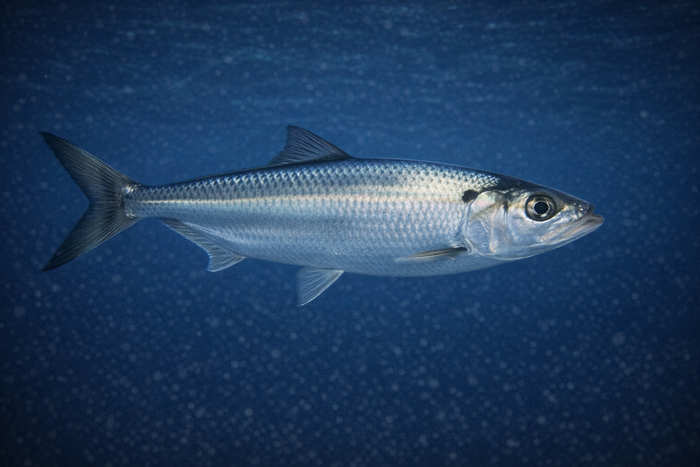
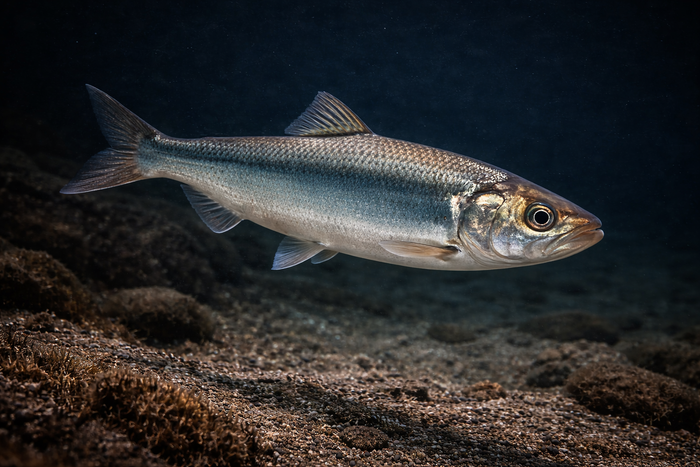
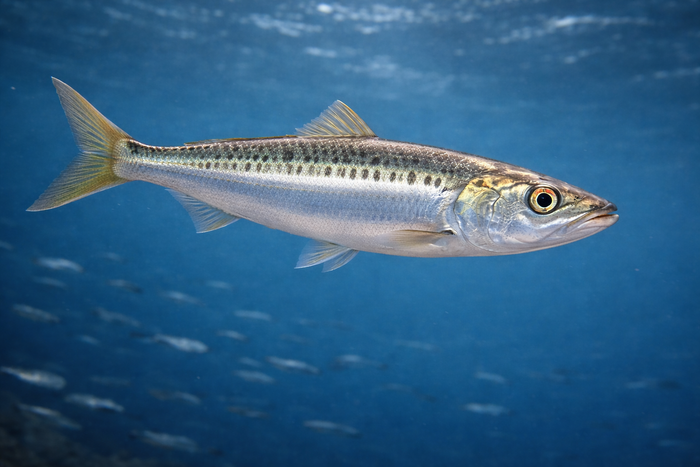
The Scaled Sardine stands out with its distinctive, shiny scales that give it a scaled, almost armor-like appearance—hence the name. Unlike many sardines that school in massive, dense groups, Scaled Sardines often form looser aggregations, making their movements more dynamic and less predictable. They have a streamlined body built for quick bursts of speed, a necessary trait to evade predators.
Another unique trait is their adaptability. Scaled Sardines thrive in a variety of coastal environments, from estuaries to open bays, tolerating a range of salinities and temperatures. This flexibility allows them to exploit different niches and food sources, primarily plankton, making them efficient converters of microscopic life into a form larger predators can consume.
Habitat & Global Range
Scaled Sardine habitat spans the western Atlantic, from the warm waters of the southeastern United States down through the Caribbean and along the northern coast of South America. They prefer shallow, coastal waters, often found near estuaries, mangroves, and seagrass beds where food is abundant and shelter is plentiful.
These fish are not deep-sea dwellers. Their preference for nearshore environments means they are often caught in commercial and recreational fisheries. The Scaled Sardine habitat overlaps with many other important species, making them a central figure in coastal marine ecosystems. Their presence signals a healthy, productive environment, especially in areas where water quality and habitat complexity remain intact.
Behavior & Temperament
Scaled Sardines are schooling fish, but their schools tend to be smaller and more dispersed compared to other sardine species. This schooling behavior serves as a defense mechanism against predators such as larger fish, seabirds, and marine mammals. When threatened, they exhibit rapid, synchronized swimming patterns that can confuse attackers.
Their feeding behavior is opportunistic yet specialized. They primarily consume plankton, filtering it from the water column with their gill rakers. This diet positions them as crucial intermediaries, converting tiny planktonic organisms into biomass accessible to larger predators. Their activity peaks during daylight hours, especially near the surface where plankton concentrations are highest.
Temperament-wise, Scaled Sardines are not aggressive. They are more about survival and evasion than confrontation. Their quick reflexes and schooling instincts are their best defenses, making them elusive targets for predators and fishermen alike.
Ecological Importance
Scaled Sardine facts reveal a species that punches well above its weight in ecological terms. They are a fundamental link in the food chain, bridging the gap between microscopic plankton and larger predatory fish, seabirds, and marine mammals. Without them, many coastal ecosystems would lose a critical energy transfer point.
Their role as forage fish means they support commercially important species like snappers, groupers, and mackerels. This cascading effect underscores their value not just ecologically but economically. Healthy populations of Scaled Sardines contribute to the stability and productivity of fisheries that coastal communities depend on.
Additionally, their schooling behavior influences nutrient cycling and water clarity. By feeding on plankton and excreting waste, they help regulate plankton populations and recycle nutrients, maintaining the balance of their habitats.
Conservation & Environmental Pressures
Despite their abundance, Scaled Sardines face several environmental pressures. Coastal development, pollution, and habitat degradation threaten their preferred environments—estuaries and mangroves. These areas are often the first casualties of human expansion, reducing nursery grounds and feeding habitats.
Overfishing is another concern. While not typically targeted as heavily as larger game fish, Scaled Sardines are caught as bycatch and in bait fisheries. Unsustainable harvest levels could disrupt local food webs, given their ecological importance.
Climate change adds another layer of complexity. Changes in water temperature, salinity, and plankton availability could alter Scaled Sardine distribution and abundance. Their adaptability offers some resilience, but rapid environmental shifts may outpace their ability to adjust.
Effective conservation requires protecting coastal habitats, managing fisheries sustainably, and monitoring population trends. Maintaining water quality and habitat complexity is crucial to preserving the Scaled Sardine’s role in marine ecosystems.
The FishyAF Take
The Scaled Sardine is a classic example of a small fish with a massive role. It’s easy to overlook these silvery minnows, but ignoring them is a mistake for anyone interested in marine biology, fisheries, or coastal conservation. Understanding Scaled Sardine facts and habitat is key to appreciating how energy flows through coastal food webs.
They may not be trophy catches, but their presence signals a healthy ecosystem. They’re the unsung heroes of the nearshore world, quietly supporting larger predators and sustaining fisheries. For anglers, conservationists, and marine enthusiasts, the Scaled Sardine is a species worth watching, protecting, and respecting. Small fish, big impact—that’s the Scaled Sardine in a nutshell.